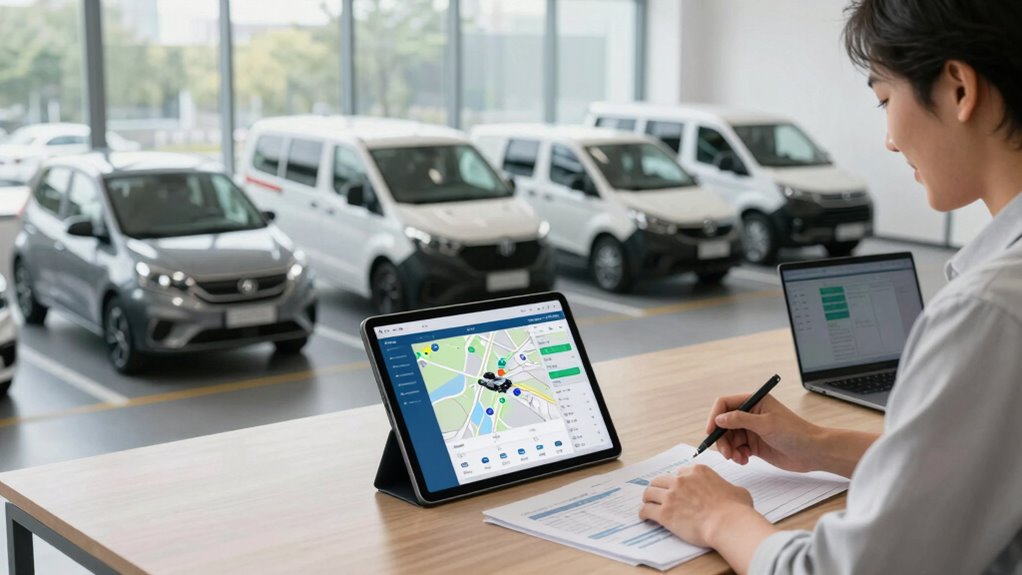

To manage your small business fleet effectively, establish regular maintenance schedules using simple tools like spreadsheets or affordable management platforms to track device health, updates, and warranties. Implement strong security measures such as multi-factor authentication, encryption, and cybersecurity training for your team. Assign responsibilities clearly and document procedures for quick troubleshooting. Leverage automation tools for updates and diagnostics, and stay informed about industry best practices. Continue exploring these strategies to keep your fleet secure, efficient, and cost-effective.
Key Takeaways
- Establish a routine maintenance schedule with simple tracking tools to ensure device performance and longevity.
- Implement strong security protocols, including encryption, multi-factor authentication, and regular security updates.
- Designate a responsible team member to oversee device upkeep and document procedures for quick troubleshooting.
- Utilize automation tools for updates, remote diagnostics, and alerts to reduce manual effort and prevent issues.
- Stay informed on industry best practices and emerging threats to keep management strategies current and effective.

Managing a small company’s fleet of devices can seem overwhelming, but with the right strategies, it becomes much more manageable. Your goal is to keep everything running smoothly without letting devices fall into disrepair or become security vulnerabilities. Start by establishing a clear system for fleet maintenance. Regularly scheduled check-ins, updates, and repairs help prevent larger issues down the line. You don’t need complex software—simple spreadsheets or affordable management tools can track device condition, updates, and warranties. Consistency is key. When devices are well-maintained, they perform better, last longer, and reduce downtime, which keeps your business moving forward. Incorporating a device lifecycle management approach ensures you optimize each device’s use and lifespan from deployment to disposal. Being mindful of device condition and how it impacts performance is crucial for effective management. Regular assessments of device health can help catch issues early and prevent unexpected failures. Staying informed about industry standards and emerging technology trends can also help you adapt your management practices proactively.
Consistent maintenance and simple tracking tools keep devices reliable, extend lifespan, and reduce business downtime.
Security protocols are equally essential. Every device in your fleet could be a potential entry point for cyber threats. To minimize risks, implement strong password policies, enable multi-factor authentication, and ensure devices are encrypted. Make sure every device has the latest security updates and patches installed promptly. Educate your team about safe usage practices—cybersecurity isn’t just about technology but also about awareness. If a device goes missing or gets stolen, having a remote wipe feature or tracking system in place can save sensitive data and prevent breaches. These security protocols safeguard your company’s data and reputation, giving you peace of mind. Additionally, staying informed about emerging threats through cybersecurity awareness can help you anticipate and address new vulnerabilities proactively.
To make device management more effective, consider assigning responsibility. Whether it’s you or a dedicated team member, having someone oversee maintenance schedules and security compliance keeps things organized. Document procedures so everyone knows what to do in case of device issues or security concerns. This proactive approach minimizes chaos and ensures quick responses when problems arise. Additionally, leverage automation where possible. Automated updates, remote diagnostics, and alerts can alert you to issues before they escalate, saving time and reducing manual effort.
Lastly, stay informed about the latest trends and best practices in device management. Technology evolves rapidly, and what works today might be outdated tomorrow. Joining industry forums or subscribing to security and device management newsletters helps you stay ahead. Incorporating industry best practices and staying updated with technological advancements ensures your management strategies remain current and effective. By integrating consistent fleet maintenance routines with robust security protocols, you protect your devices and keep your operations efficient. With a disciplined approach, managing your small business fleet becomes less of a headache and more of a strategic advantage. Over time, these practices not only extend device lifespan but also bolster your company’s security posture, enabling you to focus on growth without constantly worrying about technical setbacks.

NGTeco Fingerprint & PIN Time Clock, Standalone Biometric Punch Machine for Small Business, No WiFi/Software Required, No Monthly Fees
True Standalone Operation, Zero Setup Hassle: Get started in minutes with no WiFi or complex software. Easily export…
As an affiliate, we earn on qualifying purchases.
As an affiliate, we earn on qualifying purchases.
Frequently Asked Questions
How Can I Reduce Device Management Costs Effectively?
You can reduce device management costs by streamlining your device inventory to avoid unnecessary purchases and maintain only essential devices. Implement cost optimization strategies like bulk purchasing and vendor negotiations to lower expenses. Automate device tracking and maintenance schedules to prevent costly repairs and downtime. Regularly review your device inventory to identify underused assets, reallocating or decommissioning them to save costs and improve overall efficiency.
What Are Best Practices for Onboarding New Fleet Devices?
It’s no coincidence that smooth onboarding begins with clear procedures. You should streamline device setup by pre-configuring essential settings and installing necessary apps beforehand. During onboarding, walk new users through device features and security protocols. Keep documentation handy and automate as much as possible. Regular check-ins ensure devices are functioning correctly, and feedback helps refine your procedures. This approach minimizes downtime, boosts user confidence, and keeps your fleet running efficiently.
How Do I Handle Device Security for Remote Drivers?
To handle device security for remote drivers, you should enforce secure remote access protocols like VPNs and multi-factor authentication. Make sure all devices use data encryption to protect sensitive information during transmission and storage. Regularly update software and security patches, and educate drivers on best security practices. These steps help safeguard your fleet’s data, even when drivers are on the move.
What Are the Common Mistakes in Fleet Device Management?
You often overlook the chaos of lost devices or outdated asset tracking, creating a nightmare for your fleet management. Common mistakes include neglecting the device lifecycle, failing to update software, and losing track of assets. These errors lead to security vulnerabilities, costly replacements, and operational hiccups. By actively managing device lifecycle and implementing robust asset tracking, you can prevent chaos and keep your fleet running smoothly and securely.
How Can I Track Device Usage and Maintenance Efficiently?
To track device usage and maintenance efficiently, you should implement a device tracking system that logs usage patterns and alerts you for upcoming maintenance needs. Regular maintenance scheduling helps prevent breakdowns and extend device lifespan. Use software that consolidates data for easy monitoring, and set automated alerts for maintenance deadlines. This guarantees you stay proactive, reduce downtime, and keep your fleet running smoothly.
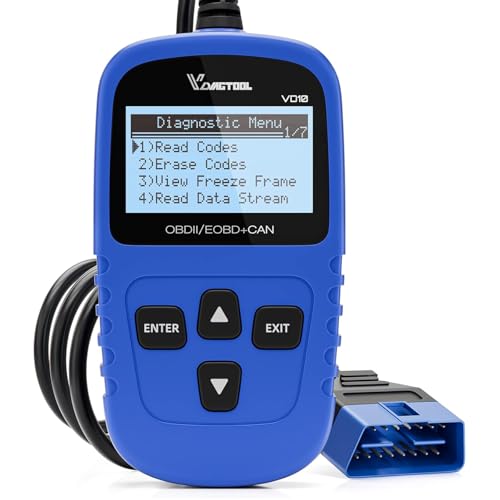
VDIAGTOOL VD10 OBD2 Scanner Code Reader Car Diagnostic Tool Engine Fault Code Reader for Turn Off CEL with Freeze Frame/I/M Readiness for All OBDII Protocol Cars, OBD2 Scanner Diagnostic Tool
【A MUST-HAVE TOOL FOR DIYERS】 – VDIAGTOOL VD10 car code reader is an incredibly useful obd scanner for…
As an affiliate, we earn on qualifying purchases.
As an affiliate, we earn on qualifying purchases.
Conclusion
Effective device management keeps your small company’s fleet running smoothly, like a well-oiled machine. By staying organized, using the right tools, and implementing simple policies, you’ll prevent chaos and boost productivity. Think of it as tending a garden—you need consistent care to see growth. When you prioritize your fleet’s device management, you’re setting the stage for success, ensuring your team stays connected and efficient, no matter what challenges come your way.

Yubico – YubiKey 5C NFC – Multi-Factor authentication (MFA) Security Key and passkey, Connect via USB-C or NFC, FIDO Certified – Protect Your Online Accounts
POWERFUL SECURITY KEY: The YubiKey 5C NFC is the most versatile physical passkey, protecting your digital life from…
As an affiliate, we earn on qualifying purchases.
As an affiliate, we earn on qualifying purchases.

The Data Warehouse Lifecycle Toolkit
As an affiliate, we earn on qualifying purchases.
As an affiliate, we earn on qualifying purchases.