
📊 Full opportunity report: The SSD Squeeze: Why Storage Joined The Party on ThorstenMeyerAI.com — validation score, market gap, and execution plan.
TL;DR
Storage, especially SSDs, is experiencing a sharp price increase in 2026 due to supply shortages caused by AI’s rising storage needs and wafer competition. Industry leaders are prioritizing high-margin products, leaving other sectors to face shortages and higher costs.
Storage prices are surging in 2026, with enterprise SSD contract prices jumping over 50% in a single quarter, driven by supply shortages and increased AI demand, according to industry sources. This shift marks a departure from the previous era of declining storage costs and has significant implications for manufacturers, consumers, and data centers worldwide.
Recent data shows that enterprise SSD contract prices have increased by approximately 55% to 58% at the start of 2026, with major manufacturers like Samsung, SK Hynix, and Micron tightening supply. Flash wafer targets have been reduced or scaled back by these firms, citing strategic discipline and high profitability from scarcity.
Simultaneously, AI applications are consuming enormous amounts of NAND flash—high-end AI GPUs require around 16TB of TLC or QLC flash, and data centers often demand over 1,000TB per rack—shifting storage from a passive component to an active, critical resource for AI inference and retrieval tasks.
As a result, NAND market revenue is forecast to grow over 100% in 2026, but supply constraints are causing widespread shortages, affecting everything from enterprise data centers to consumer drives. Industry insiders note that new fabs are still years away, and current capacity is being deliberately constrained to maintain high margins, raising questions about how much of the price increase is due to genuine shortages versus strategic discipline.
The SSD squeeze: storage joined the party
Storage was the last cheap thing in computing. Not anymore — a 2TB NVMe that was $120–150 in 2024 now lists at $300–480. And this time flash isn’t only collateral damage: AI eats storage directly.
both ways
Flash got hit twice — once as collateral sharing fabs with HBM, once directly as AI inference turned fast storage into something it consumes by the petabyte. That second force won’t fade; it grows with every model, every RAG pipeline, every cache that must live somewhere fast. Buy what you need now; favor TLC with DRAM cache, don’t overpay for Gen 5, watch for counterfeits. Relief isn’t forecast before late 2027. When the cheapest component in computing has a two-year waitlist, “commodity” no longer fits. Next: The High-End PC & Workstation Tax.
Impacts of Storage Shortages on the Tech Ecosystem
The rising costs and shortages of NAND flash memory in 2026 have broad implications. Enterprise storage costs are increasing, affecting cloud providers and large-scale data centers that rely on high-capacity SSDs. Consumers face higher prices for SSDs and are experiencing downgraded storage options in new PC models.
Additionally, industries like automotive and industrial are feeling the squeeze more acutely, as they require durable, specialized flash that is now deprioritized. The strategic reduction in wafer targets by major manufacturers suggests that the shortage may persist, influencing pricing and availability well into the future.
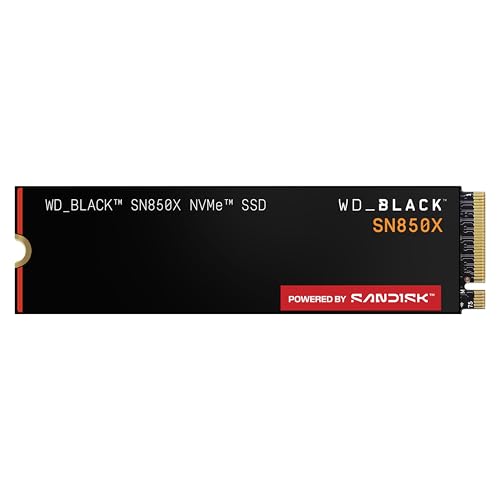
WD_BLACK SN850X 2TB NVMe SSD – M.2 2280, Up to 7,300 MB/s Read speeds, Up to 6,300 MB/s write speeds, Gaming Expansion, High Performance Internal Solid State Drive – WDS200T2X0E
- Maximum Read Speed: Up to 7,300 MB/s
- Maximum Write Speed: Up to 6,300 MB/s
- Storage Capacity: Up to 8TB options available
As an affiliate, we earn on qualifying purchases.
As an affiliate, we earn on qualifying purchases.
NAND Market Dynamics and AI’s Growing Storage Needs
Over the past decade, NAND flash memory was characterized by declining prices, driven by technological improvements and increased manufacturing capacity. However, in 2026, this trend has reversed due to a confluence of factors. Fabs are shared among DRAM, HBM, and NAND, causing competition for manufacturing capacity. Major memory producers like Samsung, SK Hynix, and Micron have scaled back wafer targets, citing high margins and strategic discipline, rather than supply shortages alone.
Meanwhile, AI’s rapid adoption has created an unprecedented demand for high-capacity, high-performance storage. High-end AI GPUs and data centers require vast amounts of NAND for training and inference, transforming storage from a passive component into a critical resource. This structural demand has driven market revenues to double in 2026, but supply constraints have led to significant shortages and price hikes.
“Our focus remains on high-margin products, and we are deliberately limiting wafer targets to sustain profitability.”
— Samsung executive
Extent and Duration of the NAND Shortage
While industry insiders agree that supply constraints are real, it remains unclear how long shortages will persist and to what extent current prices reflect genuine scarcity versus strategic discipline. The impact of new fab constructions, which take years to come online, is also uncertain, raising questions about the market’s future supply capacity and pricing trends.
Industry Strategies and Market Outlook for Storage
Manufacturers are expected to continue prioritizing high-margin, AI-related storage products, possibly prolonging shortages for lower-margin sectors. New fab projects are still in planning or early construction phases, with full capacity expected only in two to three years. Buyers are advised to secure storage now, as prices are unlikely to fall soon, and shortages may persist into 2027.
Key Questions
Why are NAND flash prices increasing so rapidly in 2026?
Prices are rising due to a combination of supply constraints caused by reduced wafer targets from major manufacturers and the massive demand from AI applications, which require extensive high-capacity storage.
How is AI driving the demand for storage?
AI models, especially during inference and retrieval tasks, require large amounts of fast, high-capacity NAND flash. Data centers and AI hardware now consume storage actively, not just passively, significantly increasing demand.
Will new manufacturing capacity be enough to meet demand?
Current projections suggest that new fabs will take years to come online, and existing capacity is being deliberately constrained to maintain margins, so shortages are likely to continue in the near term.
What should buyers do in this market?
Buy only what you need now to avoid higher costs later, favor TLC NAND with cache for durability, and be cautious of counterfeit drives. Long-term storage contracts are also stretching, so plan accordingly.
Source: ThorstenMeyerAI.com