
TL;DR
Prime for Young Adults — start your free trial
Fast free delivery, streaming and member deals for eligible 18–24 year olds.
Try it freeAs an affiliate, we earn on qualifying purchases.
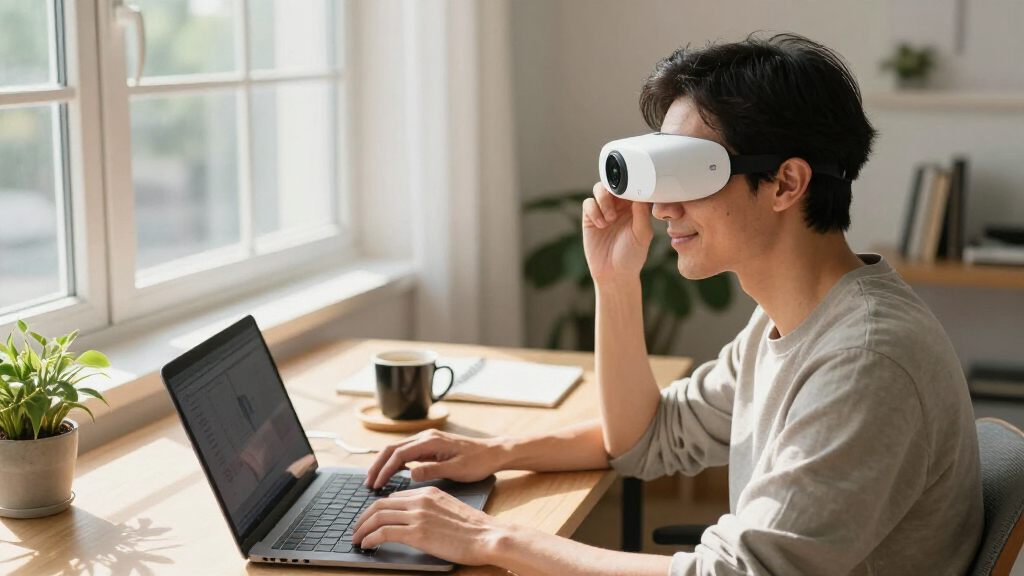
A webcam-based blink-rate tracking app is being piloted to help remote workers manage eye strain. The technology estimates blink frequency and prompts breaks, aiming to improve eye comfort during long screen hours.
A webcam-based blink-rate monitoring app is being tested as a tool to help remote workers manage eye strain caused by prolonged screen time. The development aims to provide objective feedback on blink frequency and encourage regular breaks, addressing a common health concern for knowledge workers working from home.
The proposed application uses on-device computer vision to estimate blink rate and screen distance without transmitting video data externally, ensuring user privacy. During a two-week pilot, twenty remote workers will use the app, which logs their eye comfort scores and sends nudges for 20-20-20 breaks when blinking drops below a set threshold. The goal is to determine if this intervention can improve eye comfort and break adherence among screen-heavy users.
According to IdeaNavigator AI, this approach is seen as a promising first step in addressing digital eye strain, which has increased with the rise of remote and hybrid work models. The app is designed for individual users and small remote teams, with a subscription model planned for commercialization if pilot results are positive.
Potential Impact on Remote Workers’ Eye Health
This development could offer a practical, objective solution to a widespread problem among remote workers, who often develop dry, tired eyes and headaches without clear signals of when to take breaks. By providing real-time feedback based on blink rate, the app could reduce the incidence of eye strain and improve overall well-being, potentially decreasing related health complaints and productivity losses.
As an affiliate, we earn on qualifying purchases.
Rise in Screen Time and Digital Eye Strain Concerns
The increase in remote and hybrid work arrangements has led to longer daily screen exposure for many employees, intensifying concerns about digital eye strain. Traditionally, workers only notice symptoms once they become severe, often too late for simple interventions. Current solutions lack objective monitoring tools, making this new approach notable. The concept of using webcams and computer vision for health monitoring is gaining traction, with similar applications emerging in other wellness areas.
“This technology offers a promising way to objectively monitor blink rate and encourage healthier screen habits without compromising user privacy.”
— an anonymous researcher
Unclear Effectiveness and Adoption of Blink Monitoring
It is not yet confirmed whether the pilot will demonstrate significant improvements in eye comfort or break adherence. The long-term effectiveness, user acceptance, and potential technical limitations of the app remain to be seen. Additionally, how quickly this technology might be adopted by broader markets is still uncertain, as is its integration into existing remote work tools.
Next Steps in Testing and Potential Commercial Launch
The ongoing pilot will collect data on blink rate, break adherence, and subjective eye comfort over the next several weeks. If results show positive trends, developers plan to refine the app and prepare for a wider rollout, including marketing to remote teams and individual users. Further studies may also explore integrating additional eye health metrics or expanding functionalities.
Key Questions
How does the webcam blink tracker work?
The app uses on-device computer vision to estimate blink rate and screen distance, prompting users to take breaks when blinking drops below a certain level.
Is my video data transmitted externally?
No, the system processes video data locally on the device to protect user privacy, with no video streams sent to external servers.
Can this app replace traditional eye exams?
No, it is designed as a preventive tool for digital eye strain, not as a substitute for professional eye health assessments.
When will this technology be available to the public?
If the pilot proves successful, developers plan to refine the app and consider commercial release within the next year or two, but specific timelines are not yet confirmed.
Who is this app intended for?
The primary target users are remote knowledge workers who spend over eight hours daily on laptops, especially those experiencing or at risk of eye strain.
Source: IdeaNavigator AI
NFL season / tailgating Picks
team gear
As an affiliate, we earn on qualifying purchases.