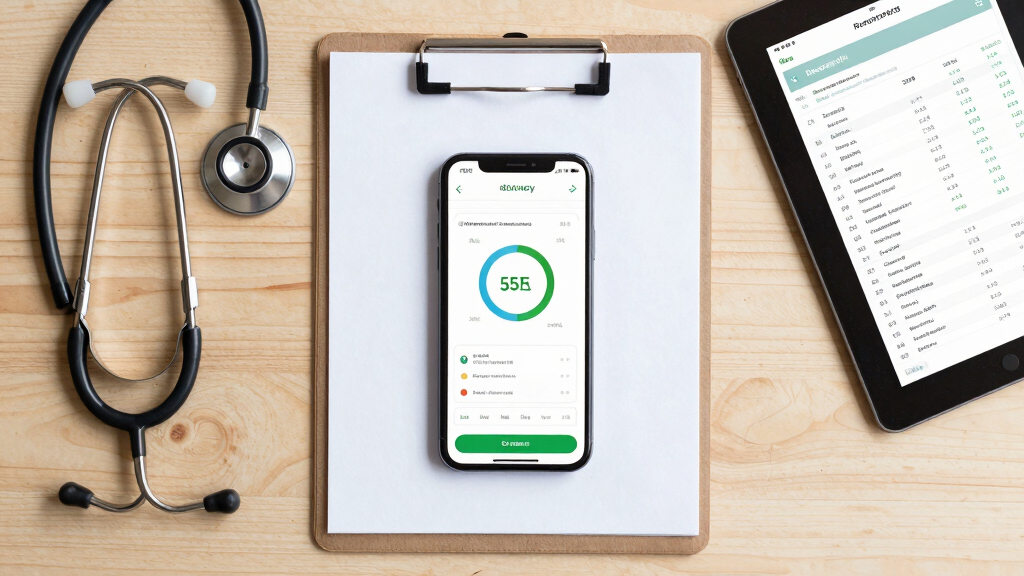

📊 Full opportunity report: Recovery-percentile tracker for orthopedic surgery patients on IdeaNavigator AI — validation score, market gap, and execution plan.

Get business pricing on office and shipping supplies
- Business-only prices and quantity discounts
- Tax-exempt purchasing
- Multiple users, one account, clear invoices
TL;DR
A recovery-percentile tracker for orthopedic surgery patients is in early testing, aiming to provide objective benchmarks for post-op recovery. The goal is to reduce patient calls and improve communication. The initiative is currently in a pilot phase with one practice.
A recovery-percentile tracker for orthopedic surgery patients is entering a testing phase, aiming to provide objective benchmarks for post-operative recovery and reduce the volume of patient calls to surgeon offices.
The tracker allows patients to log daily recovery data, including pain levels, range of motion, and walking milestones, which are then plotted against anonymized recovery curves for similar surgeries. The goal is to help patients assess whether their recovery progress is within expected ranges and to support office staff in providing data-backed reassurance.
This initiative is currently being piloted with one orthopedic practice, involving 15 knee-replacement patients who will log their recovery data over two weeks. The practice will compare call volumes from tracked patients to a control group to evaluate effectiveness.
According to sources familiar with the project, the tracker is designed as a simple, daily check-in tool that can be integrated into existing workflows, with subscription billing to orthopedic offices. It aims to address the rising volume of post-op calls caused by patients’ uncertainty about their recovery progress, especially as outpatient procedures increase and office staffing remains limited.
Potential Impact on Post-Operative Patient Communication
If successful, this tracker could significantly reduce the number of ‘is this normal?’ calls, easing the workload for office staff and providing patients with more immediate, data-driven reassurance. This could lead to improved patient satisfaction and more efficient post-operative care management, especially as outpatient surgeries grow in popularity.
As an affiliate, we earn on qualifying purchases.
Growing Demand for Objective Post-Op Recovery Tools
With outpatient orthopedic procedures increasing, patient anxiety about post-surgical recovery has also risen. Currently, many patients call offices with concerns that are difficult to quantify without objective data. Office staff often lack tools to quickly assess whether a patient’s symptoms are within normal recovery ranges, leading to high call volumes and potential delays in care.
Previous efforts to improve post-op communication have focused on patient education and manual check-ins, but these lack standardized benchmarks. The development of a recovery-percentile tracker aims to fill this gap by providing real-time, personalized recovery data.
“This tool could transform post-operative care by giving both patients and providers clear, objective recovery benchmarks.”
— an anonymous researcher
“Reducing the volume of calls we get about normal recovery symptoms would allow us to focus more on patients who need urgent attention.”
— an orthopedic practice representative
Unverified Effectiveness and Broader Adoption
It is not yet confirmed whether the tracker will significantly reduce call volumes or improve patient outcomes. The pilot involves a small sample, and results are still pending. Broader adoption will depend on pilot success and further validation studies.
Next Steps in Pilot Evaluation and Potential Expansion
The practice will analyze call volume data and patient feedback over the coming weeks. If initial results are positive, plans include expanding the trial to more practices and refining the tool based on user feedback. Further research will be needed to confirm long-term benefits and cost-effectiveness.
Key Questions
How does the recovery-percentile tracker work?
Patients log daily data on pain, mobility, and walking milestones, which are plotted against anonymized recovery curves to show their percentile ranking compared to typical recoveries for their surgery type.
Will this tool replace in-person follow-ups?
Currently, the tracker is designed to supplement post-op care by providing objective data, not replace clinical visits. It aims to reduce unnecessary calls and reassure patients between appointments.
What surgeries are included in the initial testing?
The pilot is focused on knee replacement procedures, but the concept could be adapted for other orthopedic surgeries in the future.
When will broader results be available?
Results from the initial pilot are expected in the next few months, with potential plans for wider implementation depending on outcomes.
How much does the tracking tool cost for practices?
The tracker is billed as a per-seat subscription, but specific pricing details have not been disclosed publicly.
Source: IdeaNavigator AI
Fall Picks
fall essentials
As an affiliate, we earn on qualifying purchases.