Automated maintenance in manufacturing uses sensors on equipment to gather real-time data like temperature, pressure, and vibration. This information feeds into analytics and machine learning tools that spot patterns and detect potential failures before they happen. By predicting issues early, you can schedule maintenance proactively, reducing downtime and costs. This shift from reactive to predictive strategies helps keep operations smooth. Keep exploring to see how integrating these tools can transform your maintenance approach.

Get business pricing on office and shipping supplies
- Business-only prices and quantity discounts
- Tax-exempt purchasing
- Multiple users, one account, clear invoices
Key Takeaways
- Predictive maintenance uses sensor data and analytics to forecast equipment failures before they occur.
- Machine learning algorithms improve prediction accuracy by analyzing real-time and historical data.
- Sensor integration provides continuous, real-time insights into machinery health, enabling proactive interventions.
- Transitioning from reactive to predictive maintenance reduces downtime and maintenance costs.
- Data-driven tools optimize maintenance scheduling, resource allocation, and extend equipment lifespan.
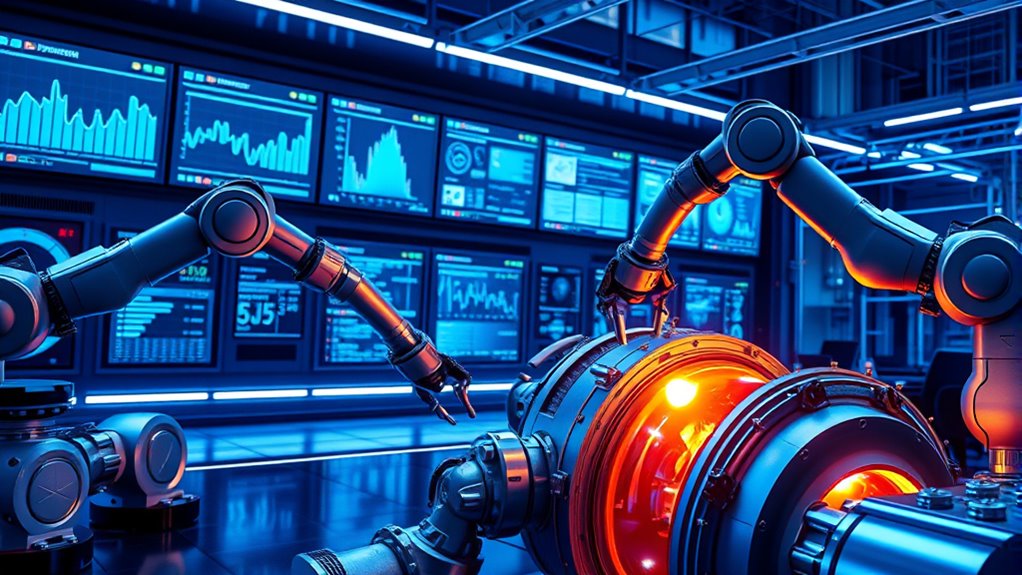
Have you ever wondered how industries keep equipment running smoothly without constant human oversight? The answer lies in advanced automated maintenance systems that leverage sensor integration and data analytics. These technologies work together to monitor equipment health in real-time, providing insights before problems become costly breakdowns. By integrating sensors directly into machinery, you gain the ability to collect continuous data on temperature, vibration, pressure, and other essential parameters. This constant stream of information feeds into data analytics platforms, which analyze trends and detect anomalies that may indicate imminent failure. Instead of waiting for a machine to break down, you can now predict issues early and schedule maintenance proactively, saving both time and money.
Sensor integration is the backbone of predictive maintenance, allowing you to gather precise, real-time information from equipment that was previously inaccessible or difficult to monitor manually. These sensors can be embedded into critical components, transmitting data wirelessly or through wired connections to centralized systems. With this setup, you gain an all-encompassing view of your machinery’s condition, enabling you to identify patterns that signal wear and tear. As data accumulates, sophisticated data analytics tools interpret the information, turning raw sensor readings into actionable insights. You don’t need to sift through endless logs or guess when a machine might fail; instead, you receive clear alerts and recommendations based on concrete data analysis. Additionally, the use of vetting in sensor deployment ensures data accuracy and system reliability.
Sensor integration provides real-time insights, transforming manual monitoring into proactive, data-driven maintenance strategies.
This synergy between sensor integration and data analytics transforms maintenance from a reactive process into a predictive one. It shifts your approach from fixing machines after they break to preventing failures altogether. By analyzing historical data alongside real-time sensor inputs, predictive models can forecast when maintenance should occur, optimizing schedules and reducing downtime. This proactive approach not only extends equipment lifespan but also enhances overall operational efficiency. You can allocate resources more effectively, avoid emergency repairs, and maintain a steady production flow.
Moreover, these systems often incorporate machine learning algorithms that improve their accuracy over time. The more data they analyze, the better they become at recognizing subtle signs of potential issues. As a result, you benefit from increasingly precise predictions, minimizing false alarms and unnecessary inspections. This continuous learning process makes automated maintenance systems smarter and more dependable, giving you confidence that your equipment is operating at its best. In essence, sensor integration combined with data analytics revolutionizes maintenance strategies, enabling you to stay ahead of problems, reduce costs, and keep your operations running smoothly with minimal manual intervention.
predictive maintenance sensors for manufacturing
As an affiliate, we earn on qualifying purchases.
As an affiliate, we earn on qualifying purchases.
Frequently Asked Questions
What Are the Initial Costs of Implementing Predictive Maintenance Tools?
The initial costs of implementing predictive maintenance tools vary depending on your equipment and needs, but typically include cost analysis, software, sensors, and training. You might face implementation challenges like integrating new systems with existing infrastructure or training staff. While upfront expenses can seem high, investing in predictive tools often reduces long-term maintenance costs and downtime, making it a worthwhile consideration for improving your manufacturing efficiency.
How Do Predictive Tools Integrate With Existing Manufacturing Systems?
You can seamlessly incorporate predictive tools with your existing manufacturing systems through system integration processes. These tools connect via APIs or IoT platforms, enabling real-time data synchronization between equipment and software. This integration ensures continuous data flow, allowing you to monitor machine health and predict failures accurately. By setting up proper system integration, you enhance operational efficiency, reduce downtime, and optimize maintenance schedules without disrupting your current manufacturing workflow.
What Data Security Measures Are Necessary for Predictive Maintenance?
Think of your predictive maintenance system as a guarded castle. You need strong cybersecurity protocols to keep intruders out and data encryption to protect sensitive information. Regularly update security measures, monitor network activity, and limit access to trusted personnel. This way, you safeguard your manufacturing data from breaches, ensuring your predictive tools operate smoothly and securely, just like a fortress that withstands any attack.
How Do Predictive Tools Adapt to Different Manufacturing Environments?
You can customize predictive tools to different manufacturing environments through machine learning algorithms that analyze specific data patterns. These tools adapt by learning from environmental factors like temperature, humidity, and equipment types, enabling personalized maintenance schedules. By continuously updating their models, they improve accuracy over time. This environmental adaptation ensures your predictive maintenance remains effective, regardless of variations in your manufacturing setting, ultimately reducing downtime and boosting efficiency.
What Training Is Required for Staff to Operate Predictive Maintenance Systems?
You need to provide staff with thorough training on predictive maintenance systems, focusing on essential skills like data analysis, system operation, and troubleshooting. Training requirements include understanding sensor integration, software navigation, and interpreting predictive analytics. By enhancing staff skills through hands-on workshops and ongoing education, you ensure they can effectively operate and maintain these tools, maximizing their benefits and minimizing downtime in your manufacturing environment.
Conclusion
By embracing predictive tools for maintenance, you’re staying ahead of issues before they become costly. Automation not only boosts efficiency but also keeps your operations running smoothly. Remember, an ounce of prevention is worth a pound of cure—investing in smarter maintenance now saves you trouble down the line. If you take proactive steps today, you’ll secure a more reliable and productive future. Don’t wait until it’s too late; act now and reap the benefits.
Fall Picks
fall essentials
As an affiliate, we earn on qualifying purchases.