

📊 Full opportunity report: The Memory Squeeze: Why Your RAM Bill Doubled on ThorstenMeyerAI.com — validation score, market gap, and execution plan.
TL;DR
RAM prices have surged roughly 90% in early 2026, driven by manufacturers reallocating capacity from consumer DRAM to AI-focused high-margin products. This shift has caused shortages, higher costs, and supply chain impacts across the tech industry.
DRAM prices have roughly doubled in early 2026, with the cost of a 32GB DDR5 kit rising from about $120 to nearly $375, according to Tom’s Hardware. This surge is driven by a fundamental shift in chip manufacturing priorities, making memory more expensive for consumers and industry alike. The price hike is not a temporary supply disruption but a result of manufacturers redirecting capacity toward AI hardware, a move that has long-term implications for the tech supply chain.
Major DRAM producers — Samsung, SK Hynix, and Micron — are prioritizing the production of High Bandwidth Memory (HBM), which is used in AI accelerators like Nvidia’s GPUs. HBM sells for three to five times more per unit than standard DDR5, incentivizing manufacturers to shift wafer output from consumer memory to AI-focused products. This reallocation has increased HBM’s share of wafer output from 19% to 23% in 2026, with AI applications expected to absorb about 20% of all DRAM capacity this year.
This strategic shift is driven by the higher profit margins of HBM, despite its inefficiency in wafer area, which results in three to four times less consumer DRAM being produced per wafer. As a consequence, supply growth for consumer DRAM remains subdued, with IDC projecting only 16% growth in 2026, well below historical norms, while capacity expansion is not expected to reach full scale until 2027–2028.
Industry behavior further complicates the situation: leading manufacturers have adopted a disciplined approach, managing scarcity rather than flooding the market with new capacity. Large buyers, including hyperscalers, have placed massive, long-term orders, with some suppliers locking in multi-year contracts through 2030, effectively removing large portions of memory from the open market. This has led to higher prices, shortages, and increased costs for PC builders and consumers.
Why your RAM bill doubled
“Doubled” is the polite version — consumer DRAM is running 3–6× its 2024 lows. The boom-bust cycle that always brought cheap RAM back isn’t coming this time, because the factories that make your RAM now make something far more profitable instead.
HBM
This is the quiet tax on the whole AI era. Relief isn’t forecast before 2028, and even then prices may settle 30–50% above pre-crisis levels. Buy what you genuinely need now; don’t panic-buy capacity you won’t use. You can’t out-wait the fab math — but, as this series will show, you can shrink what you need. Next: HBM Ate the Fab.
Impact of Capacity Shift on Consumer and Enterprise Markets
The reallocation of DRAM manufacturing capacity toward AI hardware signifies a structural change in the memory industry, leading to persistent shortages and higher prices for consumers. This trend affects everything from PC builds to enterprise infrastructure, with broader implications for the availability and affordability of digital devices in the coming years. The move prioritizes higher-margin AI products, potentially delaying or constraining the supply of standard consumer memory and increasing costs across the tech ecosystem.
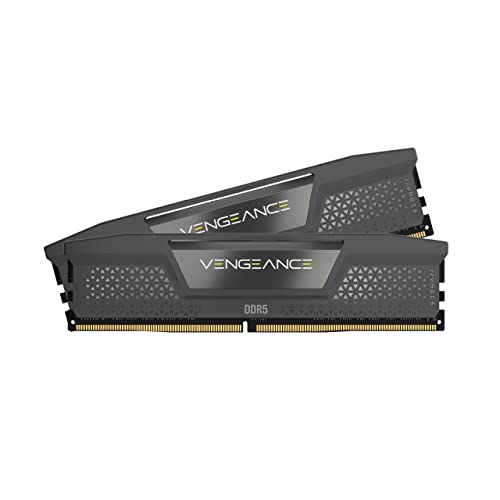
CORSAIR Vengeance DDR5 RAM 32GB (2x16GB) Up to 6000MHz CL36-44-44-96 1.35V AMD EXPO Intel XMP 3.0 Computer Memory – Grey (CMK32GX5M2E6000Z36)
- Maximum Speed Disclaimer: Requires overclocking and BIOS adjustments
- High-Speed Performance: Enables faster processing and rendering
- Onboard Voltage Regulation: Supports reliable, controllable overclocking
As an affiliate, we earn on qualifying purchases.
As an affiliate, we earn on qualifying purchases.
Historical Memory Market Trends and Current Disruptions
Historically, memory shortages have eased as manufacturers expanded capacity, flooding the market and reducing prices. However, the 2026 crisis diverges from this pattern, as the dominant chipmakers are deliberately reallocating capacity toward AI-focused products, which are more profitable but less scalable. The industry’s capacity expansion is slow, with new fabs not coming online until 2027–2028, and existing firms managing supply to maintain high margins rather than increasing supply to meet rising demand.
Past collusion cases involving the three main DRAM producers have cast a shadow over the market, but current price increases are attributed to genuine supply reallocation rather than collusion. Large buyers’ contractual commitments have further tightened supply, making the shortage more persistent and less responsive to traditional market forces.
“We are focusing our production on enterprise and AI markets, which offer better margins, and this is shaping the current supply landscape.”
— Micron spokesperson
Unanswered Questions About Market Dynamics
It remains unclear whether the current high prices and scarcity are solely due to supply reallocation or if there are other factors, such as tacit collusion or strategic restraint by manufacturers. The long-term impact of this shift on consumer memory prices and availability is also uncertain, especially if new capacity expansions are delayed or limited.
Upcoming Capacity Expansions and Market Adjustments
Manufacturers are expected to begin ramping up new fab capacities in 2027–2028, which could eventually alleviate shortages. However, until then, prices are likely to remain elevated, and supply constraints may persist. Buyers and industry analysts will be watching closely for signs of increased capacity, changes in contract strategies, and potential shifts in the balance between AI and consumer memory markets.
Key Questions
Will RAM prices return to normal soon?
Prices are unlikely to normalize before 2027–2028, as new capacity expansions are only expected to reach full volume then. The current reallocation toward AI hardware is expected to continue influencing prices in the near term.
Why are manufacturers prioritizing AI memory over consumer RAM?
AI memory, especially HBM, offers significantly higher profit margins, incentivizing manufacturers to allocate wafer capacity toward these products despite their inefficiency and lower output per wafer.
Could this shortage affect other parts of the tech industry?
Yes, higher memory costs and shortages can increase prices for PCs, servers, and other electronic devices, potentially slowing product releases and increasing costs for consumers and businesses.
Are there any signs of market intervention or regulation?
Currently, there are no indications of regulatory intervention, and the market attributes the price increases to genuine supply reallocation rather than collusion. The focus remains on capacity expansion in the coming years.
Source: ThorstenMeyerAI.com