When choosing a large format 3D printer for prototypes, you should look at key specs like build volume, material compatibility, and print speed. A versatile machine handles materials like ABS, PETG, or composites, helping you test different properties. Faster printers save time but may sacrifice detail, so find a balance for your needs. Knowing these terms helps you pick the right model—if you keep going, you’ll discover even more helpful tips.
Key Takeaways
- Look for printers with wide build volumes to accommodate large prototypes easily.
- Prioritize high layer resolution for detailed surface finish on big models.
- Ensure the printer supports versatile materials like ABS and PETG for functional prototypes.
- Balance print speed with quality to optimize project timelines without sacrificing detail.
- Review specifications like heating and motion systems for stability and precision at large scales.

When developing large prototypes, the right 3D printer can make all the difference. Choosing the best large format 3D printer involves understanding key specifications like material compatibility and print speed, which directly impact your workflow and results. Material compatibility refers to the range of filaments or resins the printer can handle. If you’re working with different materials—such as ABS, PETG, or specialty composites—you need a printer that supports those options without frequent upgrades or modifications. A versatile machine allows you to test various prototypes with different material properties, ensuring you get accurate, functional models without restrictions. Conversely, if your projects are limited to a specific material, you can focus on printers optimized for that filament, often resulting in better print quality and reliability.
Choosing a versatile 3D printer with broad material support ensures accurate, functional large prototypes without frequent upgrades.
Print speed is another crucial factor, especially when working on large prototypes that can take hours or days to complete. Faster print speeds help you iterate more quickly, reducing overall project timelines. However, it’s essential to balance speed with quality; pushing for maximum speed can sometimes compromise detail and surface finish. Modern large format printers often feature adjustable print speeds, so you can fine-tune settings depending on whether your priority is speed or detail. Keep in mind that some printers excel at high speeds because they incorporate advanced motion systems, like linear rails or high-quality stepper motors, which provide stability and precision even at faster rates. When selecting a machine, consider how print speed aligns with your typical project size and complexity. Additionally, understanding the specifications such as build volume, layer resolution, and heating capabilities can significantly influence your overall experience and success with large-scale prototyping. Being aware of these key factors can help you make an informed decision and optimize your workflow.
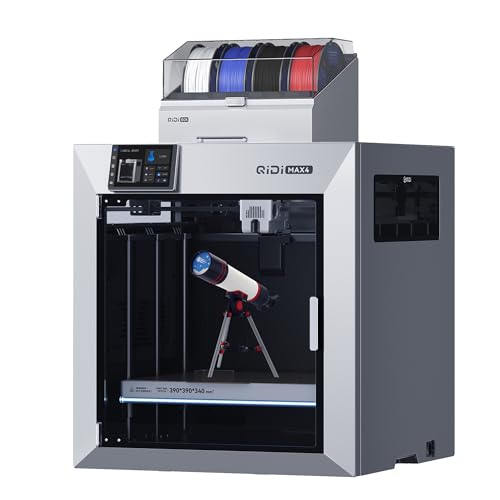
QIDI Max4 Combo 3D Printer, 390×390×340mm Large Build Volume, 65℃ Heated Chamber FDM 3D Printers, Max 800mm/s High Speed, Supports Up to 16-Colors/Multi Materials with QIDI BOX, Auto Bed Leveling
- Large Build Volume: 390×390×340mm printing area
- Fast Printing Speed: Up to 800mm/s with high stability
- Precise & Stable Printing: Closed-loop motors and anti-backlash Z-axis
As an affiliate, we earn on qualifying purchases.
As an affiliate, we earn on qualifying purchases.
Frequently Asked Questions
How Do Large Format 3D Printers Impact Production Speed?
Large format 3D printers boost your production speed by enabling you to scale accuracy and create bigger prototypes faster. With these printers, you can produce multiple parts simultaneously, reducing the time needed for assembly. Their material versatility allows you to work with different materials quickly, streamlining your workflow. Overall, this combination of scaling accuracy and material options helps you meet tight deadlines and accelerate your prototype development process efficiently.
What Are the Most Common Materials Used in Large Format 3D Printing?
You’ll most often use materials like ABS, PLA, and PETG in large format 3D printing because they offer good material durability and are compatible with many filaments. These materials withstand stress, heat, and outdoor conditions, making them ideal for prototypes. Your choice depends on your project’s needs, ensuring filament compatibility and durability, which directly impacts the quality and longevity of your final printed parts.
How Do I Choose the Right Large Format Printer for My Prototype Needs?
Imagine standing in front of a vast, blank canvas, ready to bring your prototype to life. To choose the right large format printer, consider material compatibility—does it handle the plastics or composites you need? Also, weigh cost considerations—balance quality with your budget. Look for a printer that offers the size, precision, and versatility to turn your ideas into tangible models without breaking the bank.
What Are the Typical Maintenance Requirements for These Printers?
You need to regularly perform calibration procedures to guarantee your large format 3D printer maintains accuracy. Keep an eye on filament management by checking for jams and replacing filaments promptly. Clean the print bed and nozzles to prevent clogs, and inspect the extruder for wear. Routine maintenance like these helps avoid print failures, keeps your printer running smoothly, and extends its lifespan.
Can Large Format 3D Printers Print With Multiple Materials Simultaneously?
Did you know that only about 20% of large format 3D printers support multi-material capabilities? Yes, some models can print with multiple materials simultaneously, but many focus on single-material use due to complexity. If you want to explore multi-material printing, prioritize models with strong material compatibility features. This allows you to create more complex prototypes by combining different textures, colors, or properties in a single print job.
Conclusion
Choosing the right large format 3D printer is like finding the perfect tool to shape your ideas into reality. By understanding the specs and features, you can navigate the maze of options with confidence. Remember, the right printer doesn’t just produce prototypes; it brings your vision to life, turning your workspace into a launchpad for innovation. So, gear up, pick wisely, and watch your prototypes soar beyond expectations.