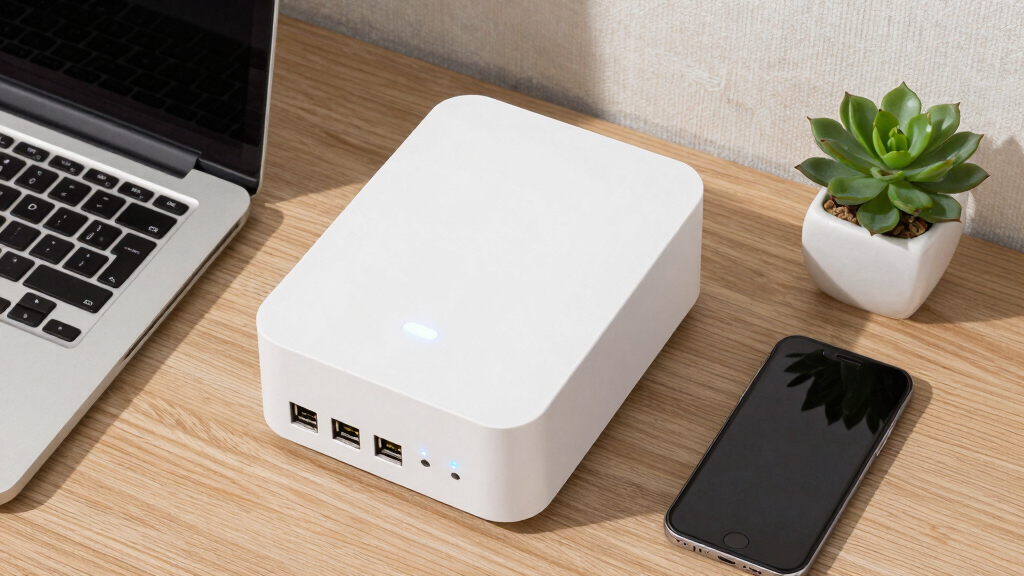

Choosing a secure NAS for startup data backup means balancing performance, security, and ease of use. The Synology DS225+ stands out as the best overall due to its reliable software and security features, while the UGREEN NAS DXP4800 Pro offers robust hardware for growing businesses. Startups face tradeoffs like cost versus security, simplicity versus expandability, and speed versus complexity. Continue reading for a detailed comparison that helps identify which NAS best fits your startup’s needs and budget.

Get business pricing on office and shipping supplies
- Business-only prices and quantity discounts
- Tax-exempt purchasing
- Multiple users, one account, clear invoices
Key Takeaways
- High-performance models with 10GbE and M.2 NVMe slots offer faster data transfer and future-proofing but come with higher costs.
- Security features such as encryption, VPN support, and regular firmware updates are vital for protecting sensitive startup data.
- Ease of setup and management varies; models with intuitive interfaces save time for small teams without dedicated IT staff.
- Expandability through additional bays or SSD slots provides scalability but often increases complexity and price.
- Diskless systems offer flexibility in storage capacity but require careful planning of drives and RAID configurations.




| Secure NAS for startup data backup | RAM |
|---|---|
| Synology DS225+ Private Cloud | — |
| UGREEN NAS DH2300 2-Bay Deskto | 4GB |
| UGREEN NAS DXP4800 Plus 4-Bay | 8GB DDR5 |
| UGREEN NAS DXP4800 Pro 4-Bay D | 8GB DDR5 |
| ACEMAGIC NAS N3A 4-Bay Desktop | 8GB DDR4 |
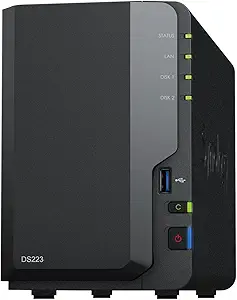
| Synology DS223 2-Bay Diskless | — |
| UGREEN NAS DXP4800 GT 4-Bay De | 8GB DDR4 (expandable to 64GB) |
| Synology 2-Bay DiskStation DS2 | — |
More Details on Our Top Picks
Synology DS225+ Private Cloud Media Server – 2-Bay Diskless NAS with Intel CPU
The Synology DS225+ stands out for its robust media support, capable of streaming 4K content, and its comprehensive backup options with multiple data protection layers. Unlike the UGREEN NAS DH2300, it offers more advanced surveillance features and private cloud access, making it ideal for startups that need a multi-purpose device. However, being diskless, it requires purchasing drives separately, which adds to initial setup complexity. Its limited two-bay design means less scalability than larger units like the DXP4800 Plus, but this makes it more suitable for smaller offices or remote teams seeking reliable backup and media capabilities.
Pros:- Supports 4K media streaming and private cloud storage
- Automated backups with multiple data protection layers
- Supports smart home surveillance with AI detection
Cons:- Diskless, requiring additional drives for storage
- May be complex for users unfamiliar with NAS setup
Best for: Startups needing a reliable, all-in-one device for media, backup, and surveillance in a compact form.
Not ideal for: Businesses requiring extensive scalability or virtual machine support, as this model is limited to 2 drives and lacks advanced virtualization features.
- Number of Bays:2
- CPU:Intel
- Transfer Speeds:282 MB/s
- Supports IP Cameras:up to 30
- Warranty:3 years
Our verdict“This NAS is best suited for startups seeking a versatile, secure device that combines media, backup, and surveillance features in a compact package.”
UGREEN NAS DH2300 2-Bay Desktop NAS Support Capacity 64TB Diskless
The UGREEN NAS DH2300 is designed for users new to NAS, offering an easy setup process and impressive storage capacity of up to 64TB. Compared with the Synology DS225+, it lacks advanced media streaming and surveillance support but compensates with straightforward operation and high data capacity—perfect for startups just starting to back up files efficiently. Its limited performance for server applications and no support for Docker or virtual machines mean it’s less suited for advanced workflows, but it’s a smart choice for small teams prioritizing simple, secure storage.
Pros:- Easy to set up and use, ideal for beginners
- Supports large storage up to 64TB
- Fast file transfer speeds up to 125MB/s
- Includes AI photo tagging and organization
Cons:- Does not support Docker or virtual machines
- Wi-Fi requires external USB adapter
- Limited performance for demanding server tasks
Best for: Startups needing a straightforward, high-capacity backup device with minimal complexity.
Not ideal for: Tech-savvy teams or those requiring virtualization, Docker support, or media streaming beyond basic storage.
- Support Capacity:64TB
- Diskless:Yes
- RAM:4GB
- Network Interface:1GbE
- Video Output:4K HDMI
- Processor:High-performance processor
Our verdict“This NAS makes sense for startups seeking uncomplicated, high-capacity storage that simplifies data backup and organization.”
UGREEN NAS DXP4800 Plus 4-Bay NAS with Intel Pentium Gold 8505, 8GB DDR5 RAM, Built-in 128GB SSD, 10GbE, 4K HDMI, Diskless
The UGREEN NAS DXP4800 Plus offers a significant upgrade over smaller models, equipped with a powerful Intel Pentium Gold processor and 8GB DDR5 RAM, making it suitable for demanding workflows. It supports Docker, virtual machines, and AI photo organization, surpassing the capabilities of the DS225+ and DH2300. The inclusion of a built-in 128GB SSD enhances performance, and the 10GbE port ensures rapid data transfers for busy startups. The main tradeoff is its higher price and the need for separate hard drives, which adds to setup complexity, but this makes it ideal for companies requiring flexible, high-performance storage with enterprise features.
Pros:- Powerful Intel Pentium Gold processor for smooth multitasking
- Supports Docker and virtual machines
- High-speed 10GbE network port
- Supports extensive storage up to 144TB with RAID
Cons:- Hard drives are sold separately, increasing initial cost
- Setup can be complex for non-technical users
- Premium price point
Best for: Small businesses or startups with advanced data management needs and a desire for virtualization capabilities.
Not ideal for: Startups on tight budgets or those unfamiliar with complex setup procedures, as this unit demands more technical knowledge and additional drives.
- Processor:Intel Pentium Gold 8505 5-Core
- RAM:8GB DDR5
- Built-in Storage:128GB SSD
- Network Ports:1x 10GbE, 1x 2.5GbE
- Maximum Storage Capacity:144TB
- Supported Protocols:Docker, Virtual Machines
Our verdict“This NAS is ideal for startups that need high performance, virtualization, and extensive storage for scalable data management.”
UGREEN NAS DXP4800 Pro 4-Bay Desktop NAS with Intel Core i3-1315U, 8GB DDR5, 128GB SSD, 10GbE, 2.5GbE, M.2 NVMe Slots, 4K HDMI
The UGREEN NAS DXP4800 Pro elevates performance with an Intel Core i3 processor and expandable DDR5 RAM, supporting demanding workflows, virtualization, and AI features. It surpasses the DXP4800 Plus in processing power and security, making it suitable for startups requiring enterprise-grade features. Its support for RAID 0, 1, 5, and 10, along with encrypted files and user permissions, promotes data security, while the built-in SSD and high-speed connectivity ensure fast, reliable operations. The main tradeoff is its complexity and higher price point, but for startups with serious data management needs, this model offers a compelling balance of power and security.
Pros:- High-performance Intel Core i3 processor
- Supports virtualization, Docker, and AI features
- Enterprise-grade security with encryption and permissions
- Flexible RAID support for data redundancy
Cons:- Requires additional drives, increasing initial expense
- Setup complexity for non-technical users
- Higher price compared to basic models
Best for: Startups with advanced security, virtualization, and high-performance storage needs.
Not ideal for: Early-stage startups or small teams with minimal technical expertise, due to setup complexity and cost.
- Processor:Intel Core i3-1315U
- RAM:8GB DDR5
- SSD:128GB PCIe3.0
- Network Ports:1x 10GbE, 1x 2.5GbE
- RAID Support:0, 1, 5, 10
- Maximum Storage Capacity:144TB
Our verdict“This NAS is suited for startups demanding enterprise-level security, virtualization, and high throughput in a scalable package.”
ACEMAGIC NAS N3A 4-Bay Desktop Network Attached Storage – Up to 136TB, Dual 2.5G+1G LAN, 8GB DDR4, 128GB PCIe3.0 SSD, Diskless
The ACEMAGIC NAS N3A provides a versatile solution for startups requiring large storage capacity and flexible connectivity options. Its support for up to 136TB aligns well with businesses needing extensive backup space, and dual high-speed LAN ports ensure reliable network performance. While it lacks included drives and built-in virtualization, its support for multiple OS and rich port selection—including HDMI and USB—makes it adaptable for various roles. Compared to the more advanced models like the DXP4800 Plus, it offers a straightforward setup for those prioritizing capacity and connectivity over cutting-edge features, but the absence of included drives means additional investment upfront.
Pros:- Supports up to 136TB of storage
- Dual high-speed LAN ports for reliable transfer
- Rich connectivity including HDMI and USB options
- Supports multiple operating systems for versatile use
Cons:- No drives included, requiring additional purchase
- Setup can be complex for beginners
- Lacks virtualization and advanced security features
Best for: Startups seeking a high-capacity, flexible storage device with diverse connectivity options.
Not ideal for: Teams requiring virtualization, AI features, or enterprise-grade security out of the box, as this model is focused on capacity and connectivity.
- Storage Capacity:Up to 136TB
- HDD Bays:4
- LAN Ports:Dual 2.5G + 1G
- RAM:8GB DDR4
- Connectivity:HDMI, DP, USB
- HDD/SSD Included:No
Our verdict“This NAS is best suited for startups that need large, flexible storage with multiple connectivity options for diverse workloads.”
Synology DS223 2-Bay Diskless NAS Home & Office Backup Hub
The Synology DS223 stands out as a versatile, user-friendly option for startups seeking reliable data centralization without overwhelming complexity. Compared with the Synology DS223j, it offers more advanced backup features and better integration options, making it suitable for slightly larger or growing teams. Its main tradeoff is that it requires purchasing disks separately, which may add initial setup time and cost, but this flexibility allows for tailored storage capacity. It excels at centralizing data from multiple devices and supporting surveillance, making it ideal for small offices or startups with security needs. However, new users might face a learning curve during setup, especially for advanced configurations.
Pros:- Centralizes data from multiple devices for easy access
- Supports automated backups for various device types
- Includes surveillance features with IP camera integration
- Reliable hardware with ongoing software updates
Cons:- Requires purchasing disks separately, adding to initial cost
- May have a learning curve for new users
Best for: Startups needing a straightforward, expandable NAS for data backup and basic surveillance without complex configurations
Not ideal for: Teams seeking all-in-one solutions with pre-installed disks or minimal setup, as this model requires separate drives and has a learning curve
- Model:DS223
- Type:2-Bay Diskless NAS
- Use:Home & Office Backup
- Warranty:2 Years
Our verdict“This NAS is well-suited for small startups that want a reliable, flexible backup hub that can grow with their needs.”
UGREEN NAS DXP4800 GT 4-Bay Desktop NAS with AMD R2514, 8GB DDR4, Dual 10GbE, M.2 NVMe Slots, 4K HDMI, Diskless
The UGREEN NAS DXP4800 GT caters to startups with demanding data workflows, offering robust multitasking and high-speed networking thanks to its AMD Ryzen embedded CPU and dual 10GbE ports. Unlike the more straightforward Synology DS223, this model supports extensive expansion up to 144TB and includes features like 4K HDMI output and multiple M.2 NVMe slots for caching or additional storage. Its complex setup is a tradeoff for power users who need customizable, high-capacity storage and integrated surveillance management. This device makes sense for tech-savvy teams requiring virtualization, media processing, or intensive data handling, but the non-included drives and non-ECC RAM may be drawbacks for those prioritizing simplicity and data integrity.
Pros:- Powerful AMD Ryzen CPU with multitasking capabilities
- High-speed dual 10GbE ports with link aggregation
- Expandable storage up to 144TB with multiple SSD options
- Built-in surveillance center for IP camera management
Cons:- Drives are not included, increasing initial setup costs
- Complex configuration needed for advanced features like virtual machines or Docker
- Pre-installed RAM is non-ECC, risking data integrity in critical applications
Best for: Tech-oriented startups needing high-performance, expandable NAS with media and surveillance capabilities
Not ideal for: Startups seeking plug-and-play solutions or with limited technical expertise, due to complex setup and hardware requirements
- CPU:AMD Ryzen Embedded R2514
- Cores:4 cores
- Max GHz:3.70GHz
- RAM:8GB DDR4 (expandable to 64GB)
- Drive Bays:4 SATA, 2 U.2 NVMe, 2 M.2 SSD
- Network:2x 10GbE ports
Our verdict“This NAS suits startups that require high-performance, customizable storage solutions with multimedia and surveillance integration, and are comfortable with technical setup.”
Synology 2-Bay DiskStation DS223j (Diskless)
The Synology DS223j provides a simple, secure platform for startups prioritizing private cloud storage, with straightforward file sharing and automated backups. Compared with the DS223, it offers fewer surveillance and enterprise features, but its user-friendly interface appeals to teams with limited IT resources. Its main limitation is that it’s diskless, meaning additional disks are needed to start storing data, which can complicate initial setup for beginners. This model is perfect for startups focused on secure, private backups and easy access across devices, but it may fall short for those needing extensive surveillance or high-capacity configurations out of the box.
Pros:- Secure private cloud with multi-platform access
- Automated backup for multiple devices
- Supports home security with IP camera monitoring
- Reliable hardware backed by a 2-year warranty
Cons:- Requires additional disks for storage capacity
- Setup may be complex for users unfamiliar with NAS configuration
Best for: Startups wanting secure private cloud storage with easy sharing and backup, especially if they prefer a straightforward setup
Not ideal for: Teams requiring comprehensive surveillance or high storage capacities immediately, as they will need to purchase disks separately and face a potentially complex setup
- Storage Type:Diskless
- Number of Bays:2
- Warranty:2 years
- Supported Devices:Macs, PCs, mobile devices
Our verdict“This NAS is ideal for startups focused on secure, private cloud storage with basic backup and security features, suitable for less technically experienced users.”

How We Picked
The products in this roundup were selected based on their security features, hardware performance, expandability, and ease of use, all tailored for startup environments. Priority was given to models that balance security with affordability and scalability. We evaluated each NAS on its processor power, network interfaces, expandability options, and management tools. Our rankings reflect a combination of performance, security capabilities, value for money, and user-friendliness, ensuring startups can find solutions suited to both immediate needs and future growth.Factors to Consider When Choosing Secure NAS For Startup Data Backup
When choosing a secure NAS for startup data backup, it’s essential to consider several key factors beyond raw specs. Security features like encryption, user access controls, and firmware updates protect sensitive data. Hardware performance, including CPU and network interfaces, impacts data handling speed and reliability. Expandability options enable growth without replacing the system, while ease of setup minimizes downtime. Understanding these factors helps avoid common pitfalls such as overpaying for features you don’t need or underestimating future storage demands.Security Features and Data Protection
Startups must prioritize security when selecting a NAS. Look for models with hardware encryption, secure remote access, and regular firmware updates. Features like VPN support and multi-factor authentication add layers of protection against cyber threats. Avoid systems that lack these protections, as they leave sensitive data vulnerable to breaches, especially when accessible remotely or cloud-connected.
Hardware Performance and Network Speed
Processing power and network interfaces directly influence backup and restore speeds. Choose models with at least a quad-core CPU and multiple Gigabit Ethernet ports; for faster backups, 10GbE support is ideal. Overloading a NAS with insufficient CPU power hampers performance, leading to slow backups and potential data bottlenecks. Balance speed needs with your budget, considering future data growth.
Expandability and Scalability
As your startup grows, so will your storage needs. Select NAS units with additional bays, SSD slots, or support for external drives. While expandability is advantageous, it can increase complexity and cost—so plan for your anticipated growth. Over-investing in high-end expandability too early might strain your budget; conversely, underestimating future needs can lead to costly replacements.
Ease of Use and Management
For startups with limited IT resources, a user-friendly interface and straightforward setup are vital. Look for systems with clear management dashboards, remote access capabilities, and automated backup options. Complex systems might offer advanced features but can slow down deployment and troubleshooting, creating risks during critical early phases.
Cost and Total Value
Balancing cost against features is key. Diskless models offer flexibility but require upfront investment in drives, while pre-configured systems cost more but save setup time. Consider total cost of ownership, including maintenance, warranty, and support. Overpaying for unnecessary features can drain startup funds, but under-investing risks security lapses or performance issues.
Frequently Asked Questions
Is a diskless NAS a good choice for a startup?
Yes, a diskless NAS can be a flexible option for startups wanting to choose their own drives and scale gradually. It allows customization of storage capacity aligned with current needs, and you can upgrade drives over time. However, it requires more technical knowledge to set up and configure RAID, so startups without dedicated IT staff might find pre-configured solutions more manageable initially. Proper planning for drive capacity and performance is essential to avoid bottlenecks.
What security features should I prioritize for my startup NAS?
Prioritize encryption, secure remote access, and regular firmware updates. Features like VPN support and multi-factor authentication provide additional layers of protection. Look for NAS models that support user access controls and audit logs, which help track data access and prevent unauthorized use. Given the sensitivity of startup data, these protections are essential to guard against cyber threats and data breaches.
How much storage capacity do I need for my startup?
Start with an estimate of your current data needs and plan for future growth—aim for at least 50-100% additional capacity. Using RAID configurations can help with redundancy, but reduce usable space, so factor in that overhead. Cloud backups can supplement local storage, but a NAS with sufficient capacity ensures quick recovery and reduces downtime. Overestimating storage needs initially can save costs later when scaling up.
Is 10GbE worth the investment for a startup?
If your startup handles large files regularly or needs rapid backups and restores, 10GbE can significantly speed up data transfer. For smaller or less intensive workloads, Gigabit Ethernet may suffice, saving costs. Investing in 10GbE early can future-proof your network, but it requires compatible switches and cabling, which add to initial expenses. Assess your current and projected data flow to decide if the upgrade aligns with your growth plans.
Should I choose a two-bay or four-bay NAS for my startup?
Two-bay NAS units are generally more affordable, easier to manage, and suitable for small-scale backup needs. Four-bay models provide better scalability, redundancy options, and higher performance, which are beneficial as your data volume increases. However, four-bay units tend to be more complex and expensive. Consider your current needs and anticipated growth—starting with a two-bay and upgrading later can be a practical approach.
Conclusion
For startups just beginning their data backup journey, the Synology DS223 offers simplicity and reliability, making it the best choice for beginners. The UGREEN NAS DXP4800 Pro stands out for growing companies needing robust hardware and expandability, making it suitable for startups with more demanding data needs. Those aiming for overall balance should consider the Synology DS225+, which combines security, ease of use, and decent performance. For premium requirements and maximum future-proofing, options like the UGREEN NAS DXP4800 GT provide high speed and expandability at a higher cost. Tailoring your choice based on current size, security needs, and growth plans will ensure you pick the right secure NAS for your startup’s success.
Halloween Picks
halloween
As an affiliate, we earn on qualifying purchases.