

Startup founder autobiographies range from personal accounts of company-building to practical books that explain how founders make decisions. My best overall pick is Lost and Founder for its frank look at startup pressures, while Play Nice But Win stands out for the shift from founder to leader and The Hard Thing About Hard Things for its focus on difficult management choices. The main tradeoff is between memoirs that show the emotional reality of a founder’s life and books that offer frameworks or a broader view of a company’s history. Some titles are closer to business guides or reported histories than conventional autobiographies. Read on for the full comparison and help choosing the right kind of founder story for your goals.

Get office and shipping supplies delivered free — and shop member deals
- Fast, free delivery on millions of items
- Access to Prime Big Deal Days deals on October 6–7
- Prime Video, Amazon Music and more included
Key Takeaways
- Lost and Founder is the clearest choice for readers seeking candid reflection on startup culture, while Play Nice But Win centers on the move from founder to executive leader.
- The Hard Thing About Hard Things puts difficult operating decisions at the center; readers looking for personal narrative may prefer a more memoir-led title.
- The Lean Startup and Build lean toward methods and principles, so they serve readers seeking applied ideas better than readers seeking a life story.
- The Founders offers a wider view of PayPal and its entrepreneurial circle, trading one founder’s intimate voice for a group and company history.
- The lineup spans company-building, failure, leadership, and exit stories; the strongest fit depends on whether you want a founder’s personal account, practical guidance, or a broader historical lens.
| Play Nice But Win: A CEO’s Journey from Founder to Leader |  | Best for Founder-to-CEO Leadership | Title: Play Nice But Win: A CEO’s Journey from Founder to Leader | ASIN: B08WFHPVWQ | Subject: CEO leadership and the founder-to-leader journey | VIEW ON AMAZON | See Our Full Breakdown |
| Lost and Founder: A Painfully Honest Field Guide to the Startup World |  | Best for Candid Startup Reality | Title: Lost and Founder: A Painfully Honest Field Guide to the Startup World | ASIN: B07D18GWLR | Subject: Startup-world experiences and candid guidance | VIEW ON AMAZON | See Our Full Breakdown |
| Startup Story: An Entrepreneur’s Journey from Idea to Exit |  | Best for the Full Startup Arc | Title: Startup Story: An Entrepreneur’s Journey from Idea to Exit | ASIN: B0C4LYJ44R | Subject: Entrepreneurship and startup development | VIEW ON AMAZON | See Our Full Breakdown |
| The Lean Startup: How Today’s Entrepreneurs Use Continuous Innovation to Create Radically Successful Businesses | 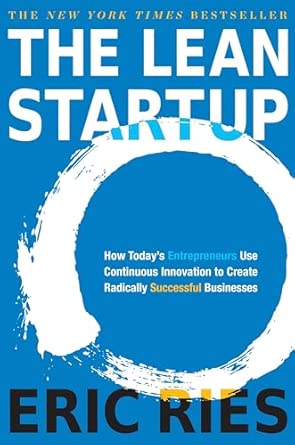 | Best for Startup-Building Principles | Title: The Lean Startup: How Today’s Entrepreneurs Use Continuous Innovation to Create Radically Successful Businesses | ASIN: 0307887898 | Subject: Entrepreneurship and business creation | VIEW ON AMAZON | See Our Full Breakdown |
| Build: An Unorthodox Guide to Making Things Worth Making |  | Best for Product-Minded Founders | Title: Build: An Unorthodox Guide to Making Things Worth Making | ASIN: 0063046067 | Subject: Entrepreneurship and product design | VIEW ON AMAZON | See Our Full Breakdown |
| Founder’s Tale: How I Raised & Lost Millions: The Story of a Swedish Startup |  | Best for Founder-Finance Cautionary Lessons | ASIN: 0645788325 | Title: Founder’s Tale: How I Raised & Lost Millions: The Story of a Swedish Startup | Format: Not specified | VIEW ON AMAZON | See Our Full Breakdown |
| And Then You Win: A Start-Up’s Untold Story of Grit, Grind, and Glory |  | Best for a Persistence-Focused Startup Story | ASIN: B0F94Q8RFS | Title: And Then You Win: A Start-Up’s Untold Story of Grit, Grind, and Glory | Format: Not specified | VIEW ON AMAZON | See Our Full Breakdown |
| The Hard Thing About Hard Things: Building a Business When There Are No Easy Answers |  | Best for Founders Facing Tough Leadership Decisions | ASIN: B00I0A6HUO | Title: The Hard Thing About Hard Things: Building a Business When There Are No Easy Answers | Format: Book | VIEW ON AMAZON | See Our Full Breakdown |
| The Founders: The Story of PayPal and the Entrepreneurs Who Shaped Silicon Valley |  | Best for Silicon Valley Startup History | ASIN: B08CWD9WLY | Title: The Founders: The Story of PayPal and the Entrepreneurs Who Shaped Silicon Valley | Format: Not specified | VIEW ON AMAZON | See Our Full Breakdown |
| The Last Year: How We Walked Through Fire, Built Two Startups, and Refused to Quit – A Founder’s Memoir |  | Best for a Personal Resilience Memoir | ASIN: B0GS1TGF8H | Title: The Last Year: How We Walked Through Fire, Built Two Startups, and Refused to Quit – A Founder’s Memoir | Format: Not specified | VIEW ON AMAZON | See Our Full Breakdown |
| Hangry: A Startup Journey |  | Best for a Focused Startup Memoir | Title: Hangry: A Startup Journey | ASIN: 0306925532 | Category: Startup founder autobiography / memoir | VIEW ON AMAZON | See Our Full Breakdown |
| startup founder autobiographie | Title | ASIN | Subject | Format |
|---|---|---|---|---|
| Play Nice But Win: A CEO’s Jou | Play Nice But Win: A CEO’s Journey from Founder to Leader | B08WFHPVWQ | CEO leadership and the founder-to-leader journey | — |
| Lost and Founder: A Painfully | Lost and Founder: A Painfully Honest Field Guide to the Startup World | B07D18GWLR | Startup-world experiences and candid guidance | — |
| Startup Story: An Entrepreneur | Startup Story: An Entrepreneur’s Journey from Idea to Exit | B0C4LYJ44R | Entrepreneurship and startup development | — |
| The Lean Startup: How Today’s | The Lean Startup: How Today’s Entrepreneurs Use Continuous Innovation to Create Radically Successful Businesses | 0307887898 | Entrepreneurship and business creation | — |
| Build: An Unorthodox Guide to | Build: An Unorthodox Guide to Making Things Worth Making | 0063046067 | Entrepreneurship and product design | — |
| Founder’s Tale: How I Raised & | Founder’s Tale: How I Raised & Lost Millions: The Story of a Swedish Startup | 0645788325 | A Swedish startup and its founder | Not specified |
| And Then You Win: A Start-Up’s | And Then You Win: A Start-Up’s Untold Story of Grit, Grind, and Glory | B0F94Q8RFS | A startup story | Not specified |
| The Hard Thing About Hard Thin | The Hard Thing About Hard Things: Building a Business When There Are No Easy Answers | B00I0A6HUO | Building and managing a business | Book |
| The Founders: The Story of Pay | The Founders: The Story of PayPal and the Entrepreneurs Who Shaped Silicon Valley | B08CWD9WLY | PayPal’s origins and its entrepreneurs | Not specified |
| The Last Year: How We Walked T | The Last Year: How We Walked Through Fire, Built Two Startups, and Refused to Quit – A Founder’s Memoir | B0GS1TGF8H | — | Not specified |
| Hangry: A Startup Journey | Hangry: A Startup Journey | 0306925532 | — | Not specified in the supplied product data |
More Details on Our Top Picks
Play Nice But Win: A CEO’s Journey from Founder to Leader
Play Nice But Win fits readers who want a founder’s account of becoming a leader as a company grows. Its stated focus makes it a more direct choice for the shift from building a venture to running it than Lost and Founder, which is framed as a candid guide to startup life. That leadership angle can help readers weigh the personal and organizational demands of a founder’s changing role. The tradeoff is that the supplied description gives no specific episodes, company details, or practical frameworks, so I can’t judge how richly the book supports its premise. Readers seeking a broad account of idea-to-exit milestones may prefer Startup Story; this pick is narrower, centered on the founder-to-leader journey.
Pros:- A focused founder-to-leader theme gives the book a distinct place in this lineup
- Its CEO perspective suits readers thinking beyond the initial launch phase
- The stated journey links founder identity with the demands of leadership
Cons:- The available description provides no specific company history or episodes to judge
- Its leadership focus may offer less coverage of early idea development than Startup Story
- The supplied product data does not establish whether it is primarily memoir or practical guidance
Best for: Founders preparing to lead a larger organization and readers interested in how a CEO role differs from the early startup job
Not ideal for: Readers who want a documented startup timeline, detailed operating advice, or a clearly described company story
- Title:Play Nice But Win: A CEO’s Journey from Founder to Leader
- ASIN:B08WFHPVWQ
- Subject:CEO leadership and the founder-to-leader journey
- Format details:Not provided
- Publication details:Not provided
- Author details:Not provided
Our verdict“Choose this for a founder-centered account of the move into CEO leadership, not for a broadly documented startup playbook.”
Lost and Founder: A Painfully Honest Field Guide to the Startup World
Lost and Founder is the clearest fit for readers who want a frank account of startup life rather than a triumphant founder legend. Its description promises a candid field guide, setting it apart from Play Nice But Win, which centers on the shift into CEO leadership. That broader startup-world framing may suit readers who want to question familiar assumptions about building a company, not just follow one leadership arc. The tradeoff is that “field guide” signals a more explanatory approach than a conventional autobiography, and the supplied details do not identify particular ventures, events, or lessons. Compared with Startup Story, its emphasis is candor about the ecosystem rather than a stated progression from idea to exit.
Pros:- Explicitly promises an honest perspective on the startup world
- Field-guide framing may connect founder experiences to broader startup patterns
- Offers a more skeptical angle than the leadership focus of Play Nice But Win
Cons:- The available description does not identify the companies or events discussed
- Its guide framing may be less autobiographical than readers expect from this roundup
- No specific tools or lessons are described in the supplied product data
Best for: Aspiring founders who want a skeptical, candid perspective on startup culture before committing to its demands
Not ideal for: Readers seeking a chronological, company-specific founder memoir or a narrowly focused account of CEO leadership
- Title:Lost and Founder: A Painfully Honest Field Guide to the Startup World
- ASIN:B07D18GWLR
- Subject:Startup-world experiences and candid guidance
- Stated approach:Painfully honest field guide
- Format details:Not provided
- Publication details:Not provided
Our verdict“Pick this if candid scrutiny of startup culture matters more to you than a single founder’s detailed company chronology.”
Startup Story: An Entrepreneur’s Journey from Idea to Exit
Startup Story has the most clearly signposted company arc in this group: its premise runs from forming an idea to reaching an exit. That makes it a straightforward option for readers who want to follow a venture’s progression, rather than focus mainly on leadership as in Play Nice But Win or startup culture as in Lost and Founder. The idea-to-exit framing can help readers connect early decisions with a company’s eventual outcome. The limitation is that the product information supplies no author background, business name, or account of what the exit involved, so the promise is easier to assess than the depth of the story. Readers seeking a specific methodology may find The Lean Startup more explicitly focused on an approach to building.
Pros:- The idea-to-exit scope gives the story a clear beginning-to-outcome arc
- Its venture journey complements the leadership focus of Play Nice But Win
- The exit emphasis may appeal to readers curious about how startup stories resolve
Cons:- No company, author background, or specific exit details are provided
- The available description does not establish how much of the book is memoir versus advice
- Its broad journey framing is less explicitly method-driven than The Lean Startup
Best for: Readers who want a founder narrative organized around the journey from initial business idea through an exit
Not ideal for: Readers who need a well-documented account of a named company or a detailed, clearly described startup method
- Title:Startup Story: An Entrepreneur’s Journey from Idea to Exit
- ASIN:B0C4LYJ44R
- Subject:Entrepreneurship and startup development
- Stated scope:From business idea to exit
- Format details:Not provided
- Publication details:Not provided
Our verdict“Choose this for a startup narrative framed around the complete idea-to-exit journey, while recognizing that the supplied details leave the story’s specifics unclear.”
The Lean Startup: How Today’s Entrepreneurs Use Continuous Innovation to Create Radically Successful Businesses
The Lean Startup is the method-focused option here, emphasizing continuous innovation rather than promising an individual founder’s autobiography. That distinction matters: readers looking for a life story may find Startup Story a closer match, since its stated scope follows an entrepreneur from idea to exit. This title instead suits readers who want a framework for thinking about how businesses are built and refined. Its focus on continuous innovation gives the book a practical orientation, but the supplied information does not specify particular tools, examples, or how much personal narrative it contains. Compared with the founder-to-CEO emphasis of Play Nice But Win, it is less about a leader’s role change and more about an approach to entrepreneurship.
Pros:- Clearly foregrounds continuous innovation as its central subject
- Offers a distinct approach-focused alternative to founder memoirs
- Its title directly signals relevance to entrepreneurs building businesses
Cons:- The supplied description does not confirm how much autobiographical material appears
- No specific methods, examples, or case details are included in the available data
- Its general entrepreneurship focus may feel less personal than Startup Story
Best for: Early-stage founders and aspiring entrepreneurs who want a book centered on continuous innovation rather than a founder’s life story
Not ideal for: Readers specifically seeking an autobiographical account with a named founder, company history, and personal milestones
- Title:The Lean Startup: How Today’s Entrepreneurs Use Continuous Innovation to Create Radically Successful Businesses
- ASIN:0307887898
- Subject:Entrepreneurship and business creation
- Stated focus:Continuous innovation
- Intended audience:Today’s entrepreneurs
- Format details:Not provided
- Publication details:Not provided
Our verdict“Select this for a book about continuous innovation and startup-building ideas, not when autobiography is your main requirement.”
Build: An Unorthodox Guide to Making Things Worth Making
Build stands apart as the product-minded choice: its stated concern is making things worth making, combining entrepreneurship with product design. That gives it a different appeal from The Lean Startup, which is framed around continuous innovation, and from Lost and Founder, which promises candor about startup life. Readers who care about the judgment behind what gets built may find this perspective more useful than a conventional chronological memoir. The tradeoff is that the supplied description calls it a guide, not an autobiography, and does not name specific products, companies, or techniques. For buyers committed to founder life stories, Startup Story is a closer match to the roundup; Build makes more sense as an adjacent perspective on product decisions.
Pros:- Centers product judgment and the purpose behind what gets made
- Its entrepreneurship and design angle differs from the startup-method focus of The Lean Startup
- The guide framing may appeal to readers seeking ideas about making products, not just founder biography
Cons:- The supplied description does not establish that the book is autobiographical
- No specific products, companies, or design methods are identified in the available data
- Readers seeking a founder’s chronological life story may prefer Startup Story
Best for: Product-minded founders, designers, and builders who want a perspective on choosing and creating meaningful products
Not ideal for: Readers who want a personal startup autobiography or a detailed account of one company’s rise and exit
- Title:Build: An Unorthodox Guide to Making Things Worth Making
- ASIN:0063046067
- Subject:Entrepreneurship and product design
- Stated approach:Unorthodox guide
- Stated focus:Making things worth making
- Format details:Not provided
- Publication details:Not provided
Our verdict“Choose this for product-making perspective from an entrepreneurship angle, but skip it if you want a clearly identified founder autobiography.”
Founder’s Tale: How I Raised & Lost Millions: The Story of a Swedish Startup
Founder’s Tale stands out for centering the gap between raising capital and building a durable company: its title promises a founder’s account of securing and then losing millions, set against a Swedish startup story. That focus gives it a different angle from The Founders, which follows PayPal’s entrepreneurs and Silicon Valley’s wider influence. Readers looking for a cautionary account of financing setbacks may find this more directly relevant than And Then You Win, whose title emphasizes grit and success. The limitation is that the available description gives no detail about the company, the founder’s decisions, or the lessons covered, so I can’t judge how practical or candid the account is. It is a more specific bet than broader business-building books such as The Hard Thing About Hard Things.
Pros:- The title foregrounds both raising and losing capital, making financial risk central to its appeal.
- A Swedish startup setting offers a geographic perspective distinct from Silicon Valley-focused founder histories.
- The founder-story framing may suit readers interested in the personal cost of startup setbacks.
Cons:- No supplied details clarify the author’s identity, the startup, or the events behind the fundraising and losses.
- The available description does not establish whether the book offers practical lessons or primarily tells a personal story.
Best for: Readers seeking a founder memoir framed around startup fundraising, financial loss, and a Swedish company story.
Not ideal for: Readers who need verified detail about the author’s business advice, the startup’s industry, or step-by-step guidance; the supplied information does not establish those points.
- ASIN:0645788325
- Title:Founder’s Tale: How I Raised & Lost Millions: The Story of a Swedish Startup
- Format:Not specified
- Subject:A Swedish startup and its founder
- Central themes:Raising and losing millions
- Geographic setting:Sweden
Our verdict“Choose this for a startup memoir centered on fundraising and loss, but skip it if you need confirmed detail about its business lessons or company history.”
And Then You Win: A Start-Up’s Untold Story of Grit, Grind, and Glory
And Then You Win is the persistence-focused choice in this group: its title positions a startup story around hard work, grit, and eventual success. That makes it a natural fit for readers who want an achievement-oriented narrative rather than the explicit financial setback suggested by Founder’s Tale. It also differs from The Hard Thing About Hard Things, whose framing points toward difficult management decisions rather than a triumph-focused arc. But the supplied product information gives only the title, so the founder, company, obstacles, and meaning of “glory” remain unclear. I would treat its promise of an untold story as a signal of tone, not proof of fresh reporting or usable business guidance. Readers wanting a more defined historical subject may prefer The Founders and its PayPal focus.
Pros:- Its framing clearly foregrounds persistence and startup effort.
- The success-oriented angle contrasts with the financial-loss focus of Founder’s Tale.
- The title promises a startup narrative rather than a general business manual.
Cons:- No supplied description identifies the founder, startup, or events covered.
- The title alone cannot confirm how the story balances struggle with success or whether it offers practical takeaways.
Best for: Readers who want an uplifting, perseverance-centered startup narrative and are comfortable choosing based on the book’s title alone.
Not ideal for: Readers seeking named founders, a clearly identified company, or confirmed operational lessons; none are supplied in the available description.
- ASIN:B0F94Q8RFS
- Title:And Then You Win: A Start-Up’s Untold Story of Grit, Grind, and Glory
- Format:Not specified
- Subject:A startup story
- Stated themes:Grit, hard work, and success
- Founder or company details:Not provided
Our verdict“Pick this if a grit-and-success startup story is your priority, but choose a better-documented title if you want specific company history or proven practical content.”
The Hard Thing About Hard Things: Building a Business When There Are No Easy Answers
The Hard Thing About Hard Things is the most directly management-oriented pick here: its subtitle frames business building around situations without easy answers. That makes it a stronger match for founders wrestling with leadership challenges than And Then You Win, whose title leans toward grit and success, or The Founders, which centers a particular group of PayPal entrepreneurs. The appeal is its focus on the hard realities of running a business rather than a simple origin-to-triumph arc. The tradeoff is that the supplied information describes challenges and management, not a conventional autobiographical scope or a specific startup journey. Readers mainly seeking a personal founder life story may find The Last Year’s stated memoir framing more aligned, while those wanting a named company history may prefer The Founders.
Pros:- Its subtitle makes hard business decisions the central subject.
- The management-focused framing sets it apart from success-oriented startup narratives such as And Then You Win.
- The listed format identifies it as a book.
Cons:- The supplied product data does not provide author, publication, or edition details.
- The description does not confirm how much of the book is autobiography versus general business guidance.
Best for: Startup founders and aspiring leaders looking for a book framed around difficult business-building and management situations.
Not ideal for: Readers who want a clearly identified founder memoir or a single company’s origin story; the supplied description does not establish either focus.
- ASIN:B00I0A6HUO
- Title:The Hard Thing About Hard Things: Building a Business When There Are No Easy Answers
- Format:Book
- Subject:Building and managing a business
- Stated focus:Challenges without easy answers
- Author:Not specified in supplied product data
Our verdict“Choose this for a management-centered account of difficult business decisions, not if your main goal is a clearly documented founder memoir.”
The Founders: The Story of PayPal and the Entrepreneurs Who Shaped Silicon Valley
The Founders offers the clearest historical subject in this set: PayPal’s beginnings and the entrepreneurs associated with its rise. That makes it a better fit for readers interested in a company and its influential founders than Founder’s Tale, which points to one Swedish startup and its founder’s financial losses. It also differs from The Last Year, described as a personal memoir of hardship and building two startups; this book’s framing places PayPal and its entrepreneurial circle at the center. The tradeoff is that the supplied information does not explain how much attention goes to individual lives, operational detail, or lessons for today’s founders. Readers seeking direct guidance for making hard management calls may find The Hard Thing About Hard Things more aligned with that need.
Pros:- Names PayPal as a concrete company at the center of the story.
- Includes a wider entrepreneurial focus, not only the company’s origin.
- Its Silicon Valley context distinguishes it from the Swedish startup setting of Founder’s Tale.
Cons:- The supplied information does not clarify the balance between company history and individual founder biographies.
- No format, author, or practical guidance details are provided.
Best for: Readers interested in PayPal’s founding story and the entrepreneurs connected with Silicon Valley’s development.
Not ideal for: Readers seeking a personal account of one founder’s emotional journey or confirmed step-by-step startup advice; the supplied details do not establish those emphases.
- ASIN:B08CWD9WLY
- Title:The Founders: The Story of PayPal and the Entrepreneurs Who Shaped Silicon Valley
- Format:Not specified
- Central company:PayPal
- Subject:PayPal’s origins and its entrepreneurs
- Context:Silicon Valley
Our verdict“Choose this for a PayPal-centered Silicon Valley history, but look elsewhere if you want a confirmed personal memoir or management playbook.”
The Last Year: How We Walked Through Fire, Built Two Startups, and Refused to Quit – A Founder’s Memoir
The Last Year is the strongest match for readers who want a founder’s personal account, not just a business origin story: its description combines personal hardship, two startup launches, and operational lessons. That broader memoir framing separates it from The Founders, which centers PayPal and a group of entrepreneurs, and from Founder’s Tale, whose title foregrounds fundraising and financial loss. Its mix of emotional and business material may help readers connect perseverance with the work of building companies. The tradeoff is audience fit: the supplied details suggest it will appeal most to people already interested in entrepreneurship, and some passages may feel repetitive to general readers. Compared with The Hard Thing About Hard Things, it promises a more personal journey, while offering less emphasis in its description on management decisions alone.
Pros:- Explicitly presents itself as a founder’s memoir.
- Covers the experience of building two startups rather than focusing on a single company.
- Combines personal hardship with operational lessons for entrepreneurs.
- Its candid resilience theme adds an emotional dimension missing from more history-centered framing such as The Founders.
Cons:- The description notes that some sections may feel repetitive to general readers.
- Its entrepreneurship focus may limit appeal for readers primarily seeking a broad personal memoir.
Best for: Aspiring founders who want a personal resilience story that covers hardship alongside the experience of building two startups.
Not ideal for: General readers uninterested in entrepreneurship or readers who prefer concise, strictly tactical business guidance; the stated memoir focus may not suit them.
- ASIN:B0GS1TGF8H
- Title:The Last Year: How We Walked Through Fire, Built Two Startups, and Refused to Quit – A Founder’s Memoir
- Format:Not specified
- Book type:Founder’s memoir
- Startups covered:Two
- Stated themes:Personal hardship, perseverance, and startup building
- Content approach:Raw storytelling with practical lessons for entrepreneurs
Our verdict“Choose this for a personal, resilience-centered account of building two startups; skip it if you want a concise business manual or a founder story outside entrepreneurship.”
Hangry: A Startup Journey
Hangry: A Startup Journey earns a place for readers seeking a founder’s account centered on one startup journey rather than a general guide to building companies. Its title signals a personal narrative, making it a different kind of pick from Lost and Founder, which explicitly presents itself as a field guide to the startup world, or The Lean Startup, which offers a method-oriented approach. That distinction suits readers who want the texture of a founder’s story, not a playbook. The tradeoff is that the supplied product information gives no details about the company, author, events, or lessons, so I can’t recommend it for a particular industry or promise specific practical takeaways. Choose it for memoir-first reading; skip it if you need a clearly documented business framework or detailed subject information before choosing.
Pros:- Positioned as a startup journey, making it relevant to founder-memoir readers.
- Narrative framing distinguishes it from the instructional approach of The Lean Startup.
- A focused title may appeal to readers who prefer an individual venture story over a broad collection of founder profiles.
Cons:- The supplied product data does not identify the author or describe the startup.
- No plot, business lessons, or industry details are provided to help readers judge the memoir’s focus.
- No technical or publication specifications were supplied beyond the title and ASIN.
Best for: Readers who want a startup-focused personal narrative and are comfortable choosing a memoir without detailed company or author information in the listing.
Not ideal for: Readers seeking a step-by-step startup framework, a clearly identified industry case study, or detailed author and publication information before buying.
- Title:Hangry: A Startup Journey
- ASIN:0306925532
- Category:Startup founder autobiography / memoir
- Format:Not specified in the supplied product data
- Author:Not specified in the supplied product data
- Publisher:Not specified in the supplied product data
Our verdict“Choose Hangry for a startup-centered memoir, but pick a better-documented title if you need a known founder, company, or specific business lessons.”

How We Picked
I compared the 11 titles by how directly they speak to the experience of starting and building a company, how much they reveal about decisions and setbacks, and how useful their perspective is to readers at different stages. I also looked at format: a first-person memoir offers a different kind of insight from a business framework or a reported company history. That distinction matters here because several titles are relevant to founders without being conventional autobiographies.
The ranking gives the strongest positions to books that combine a clear founder-centered perspective with useful insight into the realities of building or leading a startup. Titles focused more narrowly on methods, one particular journey, or a wider group of entrepreneurs remain valuable but suit more specific reading goals. I treated candid discussion of failure and hard choices as a strength, not a flaw, while noting when a book’s format may disappoint someone looking for a personal memoir.
| startup founder autobiographie | Format |
|---|---|
| Play Nice But Win: A CEO’s Jou | — |
| Lost and Founder: A Painfully | — |
| Startup Story: An Entrepreneur | — |
| The Lean Startup: How Today’s | — |
| Build: An Unorthodox Guide to | — |
| Founder’s Tale: How I Raised & | Not specified |
| And Then You Win: A Start-Up’s | Not specified |
| The Hard Thing About Hard Thin | Book |
| The Founders: The Story of Pay | Not specified |
| The Last Year: How We Walked T | Not specified |
| Hangry: A Startup Journey | Not specified in the supplied product data |
Factors to Consider When Choosing Startup Founder Autobiographies
Before choosing a founder book, I’d decide what kind of insight I want to take away. The label can cover memoirs, operating advice, and company histories, and those formats answer different questions. These factors can help separate a motivating story from a book that offers practical lessons for a particular business challenge.
Choose the format before choosing the founder
A memoir puts one person’s decisions, perspective, and recollections at the center, while a guide usually organizes ideas around methods or problems. A reported history can provide multiple viewpoints and more company context, but it may offer less access to one founder’s inner reasoning. A common mistake is to buy a business book expecting an intimate life story—or a memoir expecting a step-by-step operating manual. Check the title’s stated format and description before treating every founder-focused book as an autobiography. If you want to learn how someone experienced a setback, favor a personal account; if you want a repeatable process, favor a framework-led book.
Match the lessons to your stage
An aspiring founder may get more from stories that explain how an idea became a company, while an experienced operator may be more interested in hiring, scaling, or leadership. Readers facing an exit or a stalled business may value accounts of pressure and failure over stories that focus mainly on early momentum. Don’t assume that a celebrated founder’s lessons will transfer neatly to a smaller team or a different market. Look for the kinds of decisions you actually need to make, rather than choosing solely by company fame. The best fit is often a book that addresses your next problem, not the entire startup journey.
Decide how much candor you want
Founder accounts differ in how openly they discuss mistakes, uncertainty, and personal costs. A polished success narrative may be easy to read but leave unanswered questions about what went wrong or who bore the consequences. A candid account can be more useful, though it may offer lessons shaped by one person’s memory and point of view. Read the description for signs of reflection on setbacks, not just milestones. If you want to learn from failure, make room for uncomfortable stories; if you want a high-level orientation, a more structured guide may be a better starting point.
Separate inspiration from practical guidance
A compelling story can make entrepreneurship feel vivid without providing advice you can apply directly. Framework-driven books may offer clearer actions, but they can give less space to the personal context that explains why a decision was difficult. Consider whether you want ideas to test at work or a story that broadens your view of founder life. Be wary of treating a successful outcome as proof that every choice in the story is a reliable recipe. Pair a narrative with a practical guide if you want both context and tools, rather than asking one book to do both jobs.
Look at whose perspective is represented
Some books stay close to one founder; others examine a company, a team, or a circle of entrepreneurs. A single voice can provide continuity and personal detail, but it may leave out disagreements or other people’s contributions. A wider history can help explain how a company and its community developed, while making the individual founder less central. Think about whether you want a personal account or a fuller view of the business around it. This distinction is especially useful when a title uses a founder’s story to examine a larger company or era.
Treat the outcome as context, not a formula
Stories of an exit, major growth, or a public success can make outcomes seem like the natural result of a founder’s choices. In reality, timing, market conditions, team contributions, and luck shape company paths too. A memoir can reveal what one founder believes mattered, but it cannot prove that the same approach will work elsewhere. Look for the reasoning behind decisions and the constraints the founder faced, not just the final result. This helps turn a success story into a source of questions and ideas rather than a script to copy.
Frequently Asked Questions
Which book should I choose if I want a personal founder story rather than startup advice?
Start by checking whether the book is framed as a memoir or a founder’s personal account, rather than assuming every title about startups is autobiographical. In this lineup, titles such as Founder’s Tale, The Last Year, and Hangry foreground a particular startup journey, while The Lean Startup is more method-oriented. A personal story can show the uncertainty and consequences behind decisions, but it may not give you a systematic process to follow. If you want both narrative and actionable ideas, pair a memoir with a practical guide instead of expecting one format to deliver everything.
Are these books useful if I have not started a company yet?
Yes, though the most useful choice depends on what you want to learn before taking the leap. A guide such as The Lean Startup may help readers think about testing ideas, while a founder memoir can show how plans meet real-world pressure. Stories are most useful when you examine the constraints and tradeoffs rather than copying a founder’s choices as a recipe. If you are new to the subject, begin with a clear, approachable account or framework, then use more specialized leadership and company histories to widen your perspective. Keep in mind that a book cannot substitute for testing your own assumptions with customers.
Should I pick a success story or a book about failure?
Choose based on the question you want answered, not on which outcome sounds more inspiring. Success stories can reveal how founders built teams, products, and organizations, while accounts of setbacks can show costs and assumptions that more polished narratives leave out. For a balanced view, read across both kinds of stories and notice where their lessons differ. Remember that a failure account is still one person’s interpretation, just as a success story is shaped by hindsight. Comparing perspectives helps prevent either outcome from seeming like a universal startup formula.
Is a company history like The Founders a good substitute for an autobiography?
It can be a good choice if you want context about a company and the people around it, but it offers a different reading experience from a first-person life story. A broader history can place individual choices within a team, company, or era, while a memoir tends to give more space to one person’s recollections. If your priority is understanding how a group of entrepreneurs shaped a company, the wider lens may be more useful. If you want a founder’s personal voice and account of their own decisions, choose a memoir instead. The two formats complement each other rather than replacing one another.
Can a founder autobiography offer advice I can apply to my own startup?
It can offer useful questions, examples, and ways of thinking, but readers should distinguish those from instructions that apply everywhere. A founder’s choices are tied to a particular market, team, time, and set of resources. Look for the problem behind each decision and ask whether your own circumstances share the same constraints. Practical frameworks may translate more readily into experiments, while memoirs can deepen judgment about leadership and uncertainty. Use the story to inform your decisions, then test any proposed approach against your customers and team.
Conclusion
For the broadest mix of candid startup perspective and relevance to founders, I’d start with Lost and Founder as the best overall pick. The Lean Startup is my best value for readers who want a compact, method-focused introduction to testing business ideas, while Play Nice But Win is the best premium-feeling choice for readers focused on leadership as a company grows. Beginners should consider Startup Story for an idea-to-exit journey, though readers seeking a personal voice may prefer a memoir-led option. For hard operating decisions, choose The Hard Thing About Hard Things; for a wider company and entrepreneur history, choose The Founders. Match the book to the kind of insight you want, and remember that a founder’s story is context—not a guaranteed blueprint.
Fall Picks
fall essentials
As an affiliate, we earn on qualifying purchases.