
TL;DR
The Federal Communications Commission (FCC) has scheduled a vote on new rules for auctioning 160MHz of upper C-band spectrum. This move aims to facilitate 5G expansion but raises questions about spectrum allocation and industry impact. The vote is a key step in spectrum management policy.
The Federal Communications Commission (FCC) has announced it will hold a vote on new rules for auctioning 160MHz of upper C-band spectrum. This decision is part of ongoing efforts to expand 5G networks across the United States and optimize spectrum use. The outcome could significantly influence the pace of 5G deployment and industry competition.
The FCC’s planned vote is on proposed rules for auctioning 160MHz of the upper C-band spectrum, a portion of frequencies critical for 5G services. The auction aims to allocate spectrum efficiently to carriers and promote faster, more reliable wireless networks. The agency has not yet set a specific date for the vote but indicated it will occur in the near future. Industry stakeholders, including major telecom providers, have expressed interest in participating, citing the importance of this spectrum for 5G expansion. The FCC’s decision follows recent discussions on spectrum management and the need to balance industry growth with public interest. Details of the proposed rules and auction procedures are still under review and will be finalized before the vote.Impact on 5G Deployment and Spectrum Policy
This vote is significant because it could accelerate 5G network expansion in the U.S., enabling faster data speeds and broader coverage. The auction of 160MHz of upper C-band spectrum is expected to provide vital capacity for carriers to meet growing consumer demand. Additionally, the decision reflects ongoing efforts by the FCC to manage spectrum resources effectively amid increasing wireless traffic. Industry analysts suggest that the outcome could influence competition among telecom providers and shape future spectrum policies. For consumers, this could mean improved wireless services and new technological capabilities, but it also raises questions about spectrum allocation priorities and regulatory oversight.
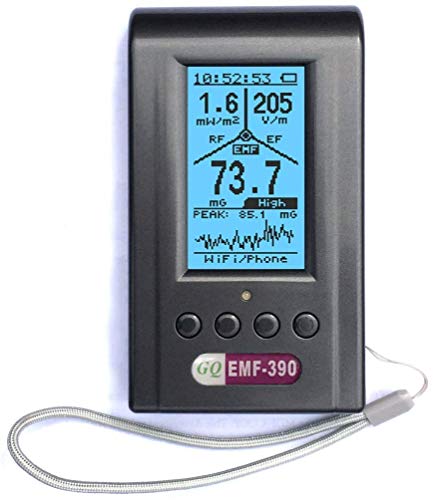
EMF Meter,Advanced GQ EMF-390 Multi-Field Electromagnetic Radiation 3-in-1 EMF ELF RF meter, 5G Cell Tower Smart meter Wifi Signal Detector RF up to 10GHz with Data Logger and 2.5Ghz Spectrum Analyzer
- High Sensitivity Sensors: Detects power lines, smart meters, and more
- Source Identification: Recognizes power lines, cell towers, microwaves
- Instant Safety Alerts: Provides immediate safety recommendations
As an affiliate, we earn on qualifying purchases.
As an affiliate, we earn on qualifying purchases.
Recent Spectrum Auctions and Policy Developments
The FCC has been actively managing spectrum resources to support 5G deployment, including recent auctions of mid-band frequencies. The upper C-band spectrum, spanning frequencies around 3.7 to 4.2 GHz, has been identified as a key resource for 5G due to its balance of coverage and capacity. Previous auctions have allocated portions of this band, but the planned auction of 160MHz aims to maximize utilization. Industry stakeholders have called for clear, transparent rules to ensure fair competition. The FCC’s approach follows a broader U.S. government strategy to lead in 5G technology and secure global competitiveness. The upcoming vote is part of this ongoing policy evolution, with further details expected after the rules are finalized.
“We are committed to ensuring a fair and efficient auction process that will support the next generation of wireless services.”
— FCC Chairperson
Details of the Auction Rules and Final Timeline Still Unclear
It is not yet clear what specific rules will govern the auction, including bidding procedures, spectrum caps, and licensing conditions. The exact date of the FCC vote has not been announced, and final rule modifications may still occur before the vote. Industry insiders await further details on how the FCC plans to balance spectrum allocation with competitive fairness and public interest considerations. Additionally, how the auction results will influence future spectrum policy remains uncertain.
Next Steps: Finalizing Rules and Conducting the Auction
The FCC will finalize and publish the proposed auction rules following the upcoming vote. Once approved, the agency will set a date for the auction, expected within the next few months. Stakeholders will prepare bidding strategies, and the auction process will be monitored for transparency and fairness. The outcome will determine how the spectrum is distributed among carriers and could influence the pace of 5G deployment nationwide. Further policy discussions may follow based on the auction results and industry response.
Key Questions
What is the upper C-band spectrum?
The upper C-band spectrum refers to frequencies around 3.7 to 4.2 GHz, which are valuable for 5G because they offer a good balance of coverage and capacity for wireless networks.
Why is the FCC auctioning this spectrum?
The FCC aims to allocate spectrum efficiently to support the expansion of 5G networks, improve wireless services, and promote competition among carriers.
When will the auction take place?
The exact date has not yet been announced. The FCC plans to hold a vote on auction rules soon, after which a timeline for the auction will be set.
How could this auction affect consumers?
If successful, it could lead to faster, more reliable 5G services and new technological innovations. However, the impact depends on how the spectrum is allocated and used by carriers.
What are the main concerns about this auction?
Stakeholders are concerned about ensuring fair competition, transparency in the bidding process, and avoiding spectrum hoarding or market distortions.
Source: google-trends