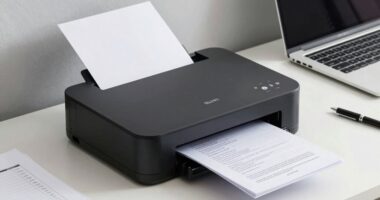
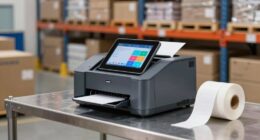
For a home office, a quiet paper shredder should balance noise, capacity, and the amount of hands-on feeding it requires. I’d choose the Wingwise 40 dB Cross-Cut Paper Shredder as the best overall starting point for noise-conscious buyers, while the QUIETLEMON 120-Sheet Autofeed Micro-Cut stands out for hands-free batch shredding and the Bonsaii 12-Sheet Micro-Cut for finer-cut security. The tradeoff is that low-noise operation, larger workloads, and smaller particle sizes do not always come in the same machine. A quieter compact shredder may need more frequent loading, while an autofeed model takes up more room. Read on for how all 10 options compare and which one best fits your workspace.
Key Takeaways
- The Wingwise’s stated 40 dB rating gives it the clearest noise-focused position in this lineup, though buyers should compare the full workload and operating details before treating a decibel figure as a complete noise measure.
- Autofeed capacity changes the workload more than sheet capacity alone: the amazon.com/dp/B0H824G9H3?tag=startupsofa-20&ascsubtag=dc-515851″ target=”_blank” rel=”nofollow sponsored noopener”>QUIETLEMON and Bonsaii 120-sheet models suit batches, but need more desk or floor space than compact manual-feed picks.
- Micro-cut models prioritize finer shredding over convenience; the Bonsaii 12-Sheet Micro-Cut suits buyers who value smaller particles and can accept slower, more frequent feeding.
- High sheet capacity is not the same as everyday convenience: BONSEN’s 20-sheet model is aimed at manual-feed jobs, while an autofeed model can reduce the need to stand beside the shredder.
- There is no single winner across all needs: the Staples, Amazon Basics, Bonsaii C275-A, and Fellowes options serve more modest cross-cut workloads, but buyers should check noise and duty-cycle details rather than infer quietness from brand or capacity.
| Staples 12-Sheet Cross-Cut Paper Shredder |  | Best for Light-Duty Quiet Shredding | Sheet capacity: Up to 12 sheets | Cut type: Cross-cut | Cut size: 4.3 mm × 33 mm | VIEW ON AMAZON | See Our Full Breakdown |
| Bonsaii 15-Sheet Cross-Cut Paper Shredder |  | Best Value for Long Batches | Sheet capacity: Up to 15 sheets | Cut type: Cross-cut | Shred size: 13/64 × 63/64 inches | VIEW ON AMAZON | See Our Full Breakdown |
| Bonsaii 12-Sheet Micro-Cut Paper Shredder |  | Best for Added Document Privacy | Sheet capacity: Up to 12 sheets | Cut type: Micro-cut | Particle size: 5 × 12 mm | VIEW ON AMAZON | See Our Full Breakdown |
| BONSEN 20-Sheet Cross-Cut P-4 Paper Shredder |  | Best for Heavy-Duty Home Offices | Sheet capacity: Up to 20 sheets | Cut type and security: Cross-cut, P-4 | Particle size: 13/64 × 63/64 inches | VIEW ON AMAZON | See Our Full Breakdown |
| QUIETLEMON 120-Sheet Auto-Feed Micro-Cut Paper Shredder (OL287 2.0) |  | Best Hands-Free Quiet Pick | Auto-feed capacity: Up to 120 sheets | Manual-feed capacity: Up to 8 sheets of 75 g paper or 7 sheets of 95 g paper | Cut type and security: Micro-cut, P-4 | VIEW ON AMAZON | See Our Full Breakdown |
| Bonsaii 120-Sheet Autofeed Micro-Cut Paper Shredder |  | Best for Batch Shredding | Automatic capacity: 120 sheets | Manual capacity: 12 sheets | Cut type and security: Micro-cut, P-4 | VIEW ON AMAZON | See Our Full Breakdown |
| Amazon Basics 8-Sheet Cross-Cut Paper and Credit Card Shredder |  | Best for Occasional Small Jobs | Sheet capacity: Up to 8 sheets of 20-pound bond paper | Cut type and security: Cross-cut, P-4 | Shred size: 0.2 × 0.7 inches (5 × 18 mm) | VIEW ON AMAZON | See Our Full Breakdown |
| Bonsaii 12-Sheet Cross-Cut Paper Shredder (C275-A) |  | Best for Everyday Home-Office Use | Sheet capacity: 12 sheets per pass | Cut type and security: Cross-cut, P-4 | Shred size: 5 × 20 mm | VIEW ON AMAZON | See Our Full Breakdown |
| Fellowes 14C10 14-Sheet Cross-Cut Paper Shredder |  | Best for Quiet Operation | Sheet capacity: 14 sheets per pass | Cut type and security: Cross-cut, P-4 | Particle size: 5/32 × 1-9/16 inches | VIEW ON AMAZON | See Our Full Breakdown |
| Wingwise 40 dB Cross-Cut Paper Shredder for Home Office |  | Best for Noise-Sensitive Spaces | Noise level: 40 dB (experimental environment) | Sheet capacity: 10 sheets | Cut type and security: Cross-cut, P-4 | VIEW ON AMAZON | See Our Full Breakdown |
| quiet paper shredders for home office | Sheet capacity | Bin capacity | Cut type and security | Noise level |
|---|---|---|---|---|
| Staples 12-Sheet Cross-Cut Pap | Up to 12 sheets | — | — | 72 dB |
| Bonsaii 15-Sheet Cross-Cut Pap | Up to 15 sheets | 5 gallons | — | 60 dB |
| Bonsaii 12-Sheet Micro-Cut Pap | Up to 12 sheets | — | — | 70 dB |
| BONSEN 20-Sheet Cross-Cut P-4 | Up to 20 sheets | 6.6 gallons (25 liters) | Cross-cut, P-4 | 60 dB or less |
| QUIETLEMON 120-Sheet Auto-Feed | — | 20 L (5.28 gallons); holds up to 400 sheets | Micro-cut, P-4 | Below 63 dB |
| Bonsaii 120-Sheet Autofeed Mic | — | 6 gallons | Micro-cut, P-4 | — |
| Amazon Basics 8-Sheet Cross-Cu | Up to 8 sheets of 20-pound bond paper | 3.7 gallons | Cross-cut, P-4 | — |
| Bonsaii 12-Sheet Cross-Cut Pap | 12 sheets per pass | — | Cross-cut, P-4 | — |
| Fellowes 14C10 14-Sheet Cross- | 14 sheets per pass | 5 gallons; holds over 250 shredded sheets | Cross-cut, P-4 | — |
| Wingwise 40 dB Cross-Cut Paper | 10 sheets | 2.6 gallons (10 liters) | Cross-cut, P-4 | 40 dB (experimental environment) |
More Details on Our Top Picks
Staples 12-Sheet Cross-Cut Paper Shredder
The Staples is a sensible fit for a home office that shreds in short bursts rather than clearing a full filing backlog. Its stated 72 dB noise level is higher than the Bonsaii 15-Sheet Cross-Cut Paper Shredder’s 60 dB, so I would not rank it as the quietest choice here; its appeal is a straightforward 12-sheet capacity with support for cards, staples, and small paper clips. Auto Reverse and overload protection can help when a stack feeds poorly, while the seven-minute run limit suits occasional mail and paperwork. The tradeoff is the 30-minute cool-down, which makes repeated batches slow. Choose this over the longer-running Bonsaii only if your shredding sessions are brief and its material handling fits your routine.
Pros:- Handles up to 12 sheets per pass
- Accepts credit cards, small paper clips, and staples
- Auto Reverse and overload protection help manage feed problems
- Has a stated quiet-operation design for occasional home-office use
Cons:- Listed noise level is 72 dB, louder than the 60 dB Bonsaii 15-Sheet model
- Seven-minute run time is followed by a 30-minute cool-down
- P-3 security is less protective than the P-4 options in this roundup
Best for: Home-office users who shred occasional small batches of paperwork, cards, or stapled documents and can pause between sessions
Not ideal for: People who need low-noise operation or regularly shred large backlogs; the listed 72 dB level and seven-minute run time are limiting
- Sheet capacity:Up to 12 sheets
- Cut type:Cross-cut
- Cut size:4.3 mm × 33 mm
- Security level:P-3
- Noise level:72 dB
- Run and cool-down time:7 minutes; 30-minute cool-down
- Accepted materials:Paper, credit cards, small paper clips, and staples
Our verdict“Choose the Staples for occasional 12-sheet jobs and mixed materials, but skip it if low noise or extended shredding matters most.”
Bonsaii 15-Sheet Cross-Cut Paper Shredder
For a home office that wants to clear a stack in one sitting, the Bonsaii 15-Sheet offers a useful balance of 60 dB operation, 15-sheet capacity, and a 40-minute continuous run. That makes it quieter on paper and far better suited to extended batches than the Staples 12-Sheet Cross-Cut, which pauses after seven minutes. A five-gallon pull-out bin with a clear window also makes fullness easier to check, and swivel casters help with repositioning. Its cross-cut output is a practical fit for routine records, though the BONSEN 20-Sheet Cross-Cut P-4 runs longer and offers P-4 security. The Bonsaii’s own tradeoff is a matching 40-minute cool-down after extended use, plus regular bin and blade maintenance. I’d pick it for everyday mixed-material shredding, not maximum privacy.
Pros:- Handles up to 15 sheets at a time
- Runs for up to 40 minutes before cooling
- Listed at 60 dB and supports paper, CDs, credit cards, mail, and staples
- Pull-out five-gallon bin has a clear window, and swivel casters aid movement
Cons:- Requires a 40-minute cool-down after extended operation
- Cross-cut security is below the P-4 BONSEN and Bonsaii micro-cut options
- Bin and blades need regular cleaning and maintenance
Best for: Home-office users who regularly shred mail and paperwork in lengthy batches and want casters and a visible, roomy bin
Not ideal for: Buyers who need P-4 document security or who want a shredder ready for another long session immediately after a full run
- Sheet capacity:Up to 15 sheets
- Cut type:Cross-cut
- Shred size:13/64 × 63/64 inches
- Noise level:60 dB
- Run and cooling time:Up to 40 minutes; 40-minute cooling time
- Bin capacity:5 gallons
- Supported materials:Paper, CDs, credit cards, mail, and staples
- Warranty:1-year limited protection
Our verdict“Pick this Bonsaii for quieter, long-batch routine shredding, but choose a P-4 model if document privacy is the priority.”
Bonsaii 12-Sheet Micro-Cut Paper Shredder
The Bonsaii 12-Sheet Micro-Cut is the privacy-minded pick for a home office where sensitive papers matter more than the lowest noise reading. Its P-4, 5 × 12 mm particles are smaller than the cross-cut output from the Bonsaii 15-Sheet, giving documents a more secure form of disposal. It still takes up to 12 sheets and runs for as long as 20 minutes, a useful middle ground between the Staples model’s short seven-minute cycle and the longer-running BONSEN 20-Sheet. The compromise is audible operation: its 70 dB rating is above the 60 dB cross-cut alternatives and the QUIETLEMON’s below-63 dB rating. Four casters help move it, but this remains a less quiet choice for shared rooms. I’d favor it for privacy-conscious users who can tolerate moderate operating noise.
Pros:- P-4 micro-cut output creates 5 × 12 mm particles
- Accepts up to 12 sheets per pass
- Shreds paper, credit cards, staples, paper clips, and CDs
- Four casters make it easier to reposition
Cons:- Listed noise level is 70 dB, louder than the 60 dB Bonsaii 15-Sheet and BONSEN models
- Maximum continuous run is 20 minutes
- No bin capacity is provided in the supplied product data
Best for: Home-office users handling sensitive personal or business documents who want P-4 micro-cut security and occasional card or CD shredding
Not ideal for: People sharing a quiet room or taking calls nearby; its listed 70 dB level is higher than several alternatives
- Sheet capacity:Up to 12 sheets
- Cut type:Micro-cut
- Particle size:5 × 12 mm
- Security level:P-4
- Noise level:70 dB
- Continuous run time:Up to 20 minutes
- Supported materials:Paper, credit cards, staples, paper clips, and CDs
- Warranty:1 year
Our verdict“Choose this Bonsaii when P-4 privacy and broad material support matter more than quietest-in-room operation.”
BONSEN 20-Sheet Cross-Cut P-4 Paper Shredder
The BONSEN is the strongest fit here for a home office that needs to shred a substantial backlog without stopping every few minutes. Its 20-sheet capacity and 60-minute run time outpace the Bonsaii 15-Sheet Cross-Cut, whose capacity is lower and operating cycle shorter. The stated 60 dB or less rating also makes the BONSEN more promising for shared home spaces than the 70 dB Bonsaii 12-Sheet Micro-Cut. P-4 security is a useful distinction for sensitive paperwork, although its listed cross-cut particle dimensions match the Bonsaii 15-Sheet’s dimensions, so I would not assume the label alone tells the whole story about particle size. Its 6.6-gallon pull-out bin and anti-jam system suit sustained use; the cost is a substantial, 12.05 kg chassis that is less convenient to move.
Pros:- Shreds up to 20 sheets per pass
- Runs continuously for up to 60 minutes
- Rated at 60 dB or less with P-4 security
- 6.6-gallon pull-out bin, casters, and anti-jam system support extended sessions
Cons:- 12.05 kg weight makes it less convenient to move than the caster-equipped but lighter QUIETLEMON
- Measures 15.7 × 10.7 × 21.6 inches, which may be bulky for compact offices
- Cross-cut format may not suit buyers specifically seeking a micro-cut mechanism
Best for: Home-office users who regularly shred large document stacks, need P-4 security, and have a stable place for a heavy machine
Not ideal for: People with limited floor space or who need to move the shredder between rooms; it weighs 12.05 kg and has a large footprint
- Sheet capacity:Up to 20 sheets
- Cut type and security:Cross-cut, P-4
- Particle size:13/64 × 63/64 inches
- Continuous run time:Up to 60 minutes
- Noise level:60 dB or less
- Bin capacity:6.6 gallons (25 liters)
- Dimensions:15.7 × 10.7 × 21.6 inches
- Weight:12.05 kg
Our verdict“Choose the BONSEN for long, high-capacity shredding sessions in a home office with room for a heavy-duty machine.”
QUIETLEMON 120-Sheet Auto-Feed Micro-Cut Paper Shredder (OL287 2.0)
The QUIETLEMON suits a home office where feeding pages one by one is the part of shredding most likely to interrupt work. Its 120-sheet auto-feed stack can handle a larger batch hands-free, while the below-63 dB rating and P-4 micro-cut output pair relatively restrained sound with added document privacy. That separates it from the manual-feed Bonsaii 12-Sheet Micro-Cut, which takes more active feeding and is rated at 70 dB. Auto-feed operation can run up to 40 minutes, but manual mode is limited to eight standard-weight sheets and ten minutes. The BONSEN takes more sheets per manual pass and runs longer, though it lacks this hands-free feed capacity. The QUIETLEMON also cannot shred CDs or metal cards, so check your media needs before choosing it.
Pros:- Auto-feeds up to 120 sheets for hands-free batch shredding
- P-4 micro-cut particles measure 4 × 12 mm
- Noise level is below 63 dB
- 20 L pull-out bin holds up to 400 sheets and comes with a two-year warranty
Cons:- Manual feed is limited to eight sheets of 75 g paper or seven sheets of 95 g paper
- Manual operation runs for up to 10 minutes, shorter than the BONSEN’s 60-minute cycle
- Does not support CDs or metal cards
Best for: Home-office users who accumulate large paper batches and want hands-free P-4 shredding without a listed noise level above 63 dB
Not ideal for: Buyers who often shred CDs or metal cards, or who need a high-capacity manual feed for mixed, thicker stacks
- Auto-feed capacity:Up to 120 sheets
- Manual-feed capacity:Up to 8 sheets of 75 g paper or 7 sheets of 95 g paper
- Cut type and security:Micro-cut, P-4
- Particle size:4 × 12 mm
- Run time:Up to 40 minutes auto-feed; up to 10 minutes manual feed
- Noise level:Below 63 dB
- Bin capacity:20 L (5.28 gallons); holds up to 400 sheets
- Dimensions and weight:13.86 × 9.06 × 19.09 inches; 15.21 lb
- Warranty and material limits:2 years; supports paper, plastic cards, pins, and staples; does not support CDs or metal cards
Our verdict“Pick the QUIETLEMON for quieter, hands-free handling of large paper batches, provided you do not need to shred CDs or metal cards.”
Bonsaii 120-Sheet Autofeed Micro-Cut Paper Shredder
The Bonsaii’s main advantage for a home office is its 120-sheet automatic feed: load a stack and let it work, rather than standing over the shredder page by page. Its P-4 micro-cut particles are smaller than the cross-cut pieces from the Fellowes 14C10, making this the better fit when document privacy matters more than a compact footprint. A 6-gallon pullout bin and casters also suit a dedicated work area where the unit may need to move for storage or emptying. The tradeoff is that its long automatic run still requires a 60-minute rest, and the stated details do not provide a decibel figure, so its quietness is harder to compare directly. Skip it if you shred only a few pages at a time or need to destroy metallic credit cards.
Pros:- Automatically feeds up to 120 sheets, reducing time spent feeding documents
- P-4 micro-cut produces small 4 × 12 mm particles
- 6-gallon pullout bin limits emptying during larger jobs
- 360-degree casters make it easier to reposition
Cons:- Requires a 60-minute rest after its stated automatic or manual run period
- No noise-level figure is provided, making quiet operation difficult to compare
- Description advises against shredding metallic credit cards
Best for: Home-office users who periodically need to shred large stacks of sensitive paperwork with minimal hands-on feeding.
Not ideal for: People with little floor space, small everyday shredding needs, or metallic credit cards to destroy; the unit is designed for batches and requires long cooldowns.
- Automatic capacity:120 sheets
- Manual capacity:12 sheets
- Cut type and security:Micro-cut, P-4
- Shred size:4 × 12 mm
- Automatic run time:30 minutes on / 60 minutes off
- Manual run time:10 minutes on / 60 minutes off
- Bin capacity:6 gallons
- Mobility:360-degree universal casters
Our verdict“Choose this for occasional large, sensitive-document batches; choose the Fellowes 14C10 instead for a smaller manual-feed workload and explicitly quiet operation.”
Amazon Basics 8-Sheet Cross-Cut Paper and Credit Card Shredder
This Amazon Basics model is a straightforward choice for a desk-side home office that shreds a few pages at a time. It handles up to 8 sheets and accepts paper, staples, small paper clips, and one plastic credit card at a time, so routine mixed paperwork does not need much sorting. Its P-4 cross-cut security matches the level offered by the Bonsaii C275-A, but the Amazon Basics has a shorter three-minute run and a smaller 3.7-gallon bin. That makes it less suited to clearing a backlog, even if its compact dimensions are easier to fit near a desk. The 30-minute cooldown can interrupt a job, and the product is not specified as quiet, so I would not pick it for extended shredding in a shared room.
Pros:- Handles up to 8 sheets per pass for everyday small jobs
- P-4 cross-cut security for routine document disposal
- Accepts plastic credit cards, staples, and small paper clips
- Overheat and overload indicators with automatic shutoff
Cons:- Runs for only 3 minutes before a 30-minute cooldown
- 3.7-gallon bin fills sooner than the Bonsaii C275-A’s 5.5-gallon basket
- No stated noise level to support a quiet-office comparison
Best for: Desk-based home-office users who shred occasional documents, staples, or plastic credit cards and want a compact unit.
Not ideal for: People clearing paperwork backlogs or shredding while others work nearby; its short runtime and unquantified noise level are poor fits for sustained, quiet sessions.
- Sheet capacity:Up to 8 sheets of 20-pound bond paper
- Cut type and security:Cross-cut, P-4
- Shred size:0.2 × 0.7 inches (5 × 18 mm)
- Accepted materials:Paper, plastic credit cards, staples, and small paper clips
- Runtime and cooldown:3 minutes / 30 minutes
- Bin capacity:3.7 gallons
- Control modes:Auto/on, off, reverse, forward
- Dimensions:12.76 × 7.28 × 14.09 inches (L × W × H)
Our verdict“Pick this for compact, occasional desk-side shredding, but choose the Bonsaii C275-A for longer sessions and a larger wastebasket.”
Bonsaii 12-Sheet Cross-Cut Paper Shredder (C275-A)
The Bonsaii C275-A lands between the small-job Amazon Basics shredder and the larger batch-focused models: it takes 12 sheets per pass, runs for up to six minutes, and has a 5.5-gallon basket. That combination fits recurring household paperwork without making the machine as specialized as the 120-sheet autofeed Bonsaii. Its P-4 cross-cut output and ability to handle cards, staples, and clips cover common home-office needs, while the transparent bin window gives a quick view of fill level. The main compromise is session length: six minutes is shorter than the Fellowes 14C10’s stated ten-minute run, so larger piles may require breaks. The listing gives no noise figure, meaning buyers prioritizing quiet above all else may prefer the Wingwise, which states a 40 dB level.
Pros:- 12-sheet capacity handles more per pass than the Amazon Basics 8-sheet model
- P-4 cross-cut security for personal and household documents
- 5.5-gallon wastebasket has a transparent fill window
- Overheat protection and a head-lift safety stop
Cons:- Continuous run time is limited to 6 minutes
- No stated decibel level for buyers comparing quiet operation
- Larger capacity and basket require more room than compact desk-side models
Best for: Home-office users who shred paperwork regularly in moderate batches and want a larger bin with basic safety features.
Not ideal for: People who need long uninterrupted shredding sessions or want a stated noise measurement before buying.
- Sheet capacity:12 sheets per pass
- Cut type and security:Cross-cut, P-4
- Shred size:5 × 20 mm
- Continuous run time:Up to 6 minutes
- Wastebasket capacity:5.5 gallons
- Accepted materials:Paper, credit cards, staples, and clips
- Dimensions:12.6 × 7.91 × 18.3 inches
- Warranty:1-year limited
Our verdict“Choose the C275-A for regular medium-sized jobs and easier bin monitoring, but favor the Fellowes 14C10 if longer continuous operation matters more.”
Fellowes 14C10 14-Sheet Cross-Cut Paper Shredder
The Fellowes 14C10 is the clearest match here for a home office where shredder noise matters: its description specifically highlights quiet operation, unlike the Bonsaii C275-A, which provides no noise figure or quietness claim. It also pairs that quieter positioning with 14-sheet capacity, a ten-minute continuous run, and a 5-gallon pull-out bin, giving it more room for sustained everyday work than the Amazon Basics 8-sheet model. P-4 cross-cut particles and support for credit cards, staples, clips, and unopened junk mail make it useful for mixed paperwork. The tradeoff is that a cooldown follows the stated run period, and the particle dimensions are longer than micro-cut output from the Bonsaii 120-Sheet Autofeed. Choose it for quieter routine shredding, not the smallest document particles or unattended bulk feeding.
Pros:- Quiet operation is specifically highlighted for home and office use
- 14-sheet capacity and a 10-minute run support more work per session than the Amazon Basics model
- 5-gallon pull-out bin holds over 250 shredded sheets
- Safety lock helps prevent accidental operation
Cons:- Requires a cooldown after 10 minutes of continuous use
- Cross-cut particles are larger than the Bonsaii 120-Sheet Autofeed’s micro-cut pieces
- Manual feeding is less convenient for large stacks than an autofeed model
Best for: Remote workers and shared home-office users who want a quieter manual-feed shredder for regular paperwork and common fasteners.
Not ideal for: Buyers who need automatic bulk feeding or micro-cut particles; the Bonsaii 120-Sheet Autofeed better suits large piles and smaller output pieces.
- Sheet capacity:14 sheets per pass
- Cut type and security:Cross-cut, P-4
- Particle size:5/32 × 1-9/16 inches
- Accepted materials:Paper, credit cards, paper clips, staples, and unopened junk mail
- Continuous run time:10 minutes
- Bin capacity:5 gallons; holds over 250 shredded sheets
- Safety feature:Safety Lock
Our verdict“Choose the Fellowes 14C10 when quieter everyday shredding matters more than automatic feeding or micro-cut security.”
Wingwise 40 dB Cross-Cut Paper Shredder for Home Office
The Wingwise makes the strongest measurable quietness claim in this group: a stated 40 dB in an experimental environment. That gives noise-sensitive buyers a comparison point the Bonsaii C275-A does not provide, though operating noise can vary by setting. It handles 10 sheets per pass and runs for up to ten minutes, making it a reasonable fit for routine home-office paperwork rather than large backlogs. Its P-4 cross-cut output and jam-prevention and overheat features add everyday practicality. The biggest compromise is the 2.6-gallon bin, which is notably smaller than the Fellowes 14C10’s 5-gallon pull-out bin and may mean more frequent emptying. Its 40-minute cooldown also limits repeated sessions, so I would choose it for a quieter, compact setup rather than high-volume work.
Pros:- Stated 40 dB operating noise offers a useful quietness reference
- P-4 cross-cut security with capacity for up to 10 sheets
- Jam prevention, overheat protection, and a bin-open safety stop
- Handles paper and credit cards
Cons:- 2.6-gallon bin may need frequent emptying compared with the Fellowes 14C10
- Requires a 40-minute cooldown after up to 10 minutes of operation
- The 40 dB figure is stated for an experimental environment and may not match every room
Best for: Noise-sensitive remote workers who shred modest amounts of paperwork in a compact home-office area.
Not ideal for: Households with frequent large shredding jobs; its 2.6-gallon bin fills sooner than the Fellowes 14C10’s, and cooldowns interrupt repeat sessions.
- Noise level:40 dB (experimental environment)
- Sheet capacity:10 sheets
- Cut type and security:Cross-cut, P-4
- Shred size:4 × 38 mm
- Continuous runtime and cooldown:Up to 10 minutes / 40 minutes
- Bin capacity:2.6 gallons (10 liters)
- Materials handled:Paper and credit cards
- Dimensions:13.78 × 12.8 × 6.89 inches (D × W × H)
Our verdict“Choose the Wingwise for a noise-sensitive workspace and modest workloads, but pick the Fellowes 14C10 for a larger bin and a specifically quiet-use claim without a decibel figure.”

How We Picked
I ranked these shredders around the needs that make a home-office model feel quiet and practical: stated noise information, feeding method, sheet capacity, cut type, footprint, and how well the design suits occasional versus batch use. A published decibel figure can help identify a noise-focused option, but it does not tell the whole story; operating distance, paper load, and room acoustics affect what a household hears. I also considered whether a machine’s capacity and feed method reduce interruptions or simply add bulk.
The order reflects the balance of these factors, not a claim that every model has been independently noise-tested. The Wingwise leads for its explicit 40 dB positioning, while the autofeed micro-cut models rank well for hands-off batch work rather than compactness. Manual-feed machines remain relevant for smaller jobs, but I place them lower when their listings provide less direct evidence about noise or when they trade convenience for capacity. Buyers should confirm current manufacturer specifications, including sound level, duty cycle, and dimensions, before choosing.
| quiet paper shredders for home office | Cut type and security |
|---|---|
| Staples 12-Sheet Cross-Cut Pap | — |
| Bonsaii 15-Sheet Cross-Cut Pap | — |
| Bonsaii 12-Sheet Micro-Cut Pap | — |
| BONSEN 20-Sheet Cross-Cut P-4 | Cross-cut, P-4 |
| QUIETLEMON 120-Sheet Auto-Feed | Micro-cut, P-4 |
| Bonsaii 120-Sheet Autofeed Mic | Micro-cut, P-4 |
| Amazon Basics 8-Sheet Cross-Cu | Cross-cut, P-4 |
| Bonsaii 12-Sheet Cross-Cut Pap | Cross-cut, P-4 |
| Fellowes 14C10 14-Sheet Cross- | Cross-cut, P-4 |
| Wingwise 40 dB Cross-Cut Paper | Cross-cut, P-4 |
Factors to Consider When Choosing Quiet Paper Shredders For Home Offices
Noise is only one part of a shredder’s impact on a home office. I’d match the machine to when and how often you shred, then use noise claims, capacity, and size to narrow the field. These factors can prevent a common mismatch: buying a large machine for rare paperwork or a compact one that interrupts focused work during a backlog.
Decide What Quiet Means in Your Workspace
A decibel figure is useful as a comparison point, but it is not a promise that a machine will sound unobtrusive in every room. Ask whether the manufacturer specifies how and where the measurement was taken, and compare models on the same basis when possible. A shredder beside a shared desk may be more disruptive than one placed in a closet or utility corner, even if both have similar published figures. Paper thickness, a full bin, and uneven placement can also change the sound you hear. If calls or concentration matter, plan a location that separates the motor from your primary work area. Avoid choosing on a claimed noise number alone when other operating details are missing.
Match Feed Style to Your Shredding Habit
Manual-feed shredders make sense when you discard a few pages at a time and want to control exactly what enters the machine. Autofeed models are more convenient for a stack of paperwork because you can load pages and step away, but their larger bodies may be harder to fit under a desk. The right choice depends on whether the interruption comes from the motor running or from repeatedly standing by to feed sheets. A large sheet limit does not automatically mean the machine handles a sustained workload; check its stated duty cycle and cooldown requirements. For a home that shreds rarely, autofeed capacity can be unnecessary bulk. For recurring paperwork sessions, the convenience may be worth the added space.
Choose Cut Type for the Papers You Actually Shred
Cross-cut is a practical fit for routine household and office documents, while micro-cut creates smaller particles for buyers who want a finer cut. Smaller particles may bring slower processing or a narrower sheet capacity, so compare security preference against the amount you need to shred. Think about whether the machine will handle ordinary statements or more sensitive records, rather than defaulting to the finest cut for every use. Also check whether the shredder’s accepted materials match your habits, such as cards or staples, instead of assuming all models handle them. Feeding unsupported items can cause jams or damage. The useful choice is the least demanding cut type that meets your document-disposal needs.
Treat Sheet Capacity as a Limit, Not a Target
A stated sheet capacity usually describes a maximum under specified conditions, not the pace you should maintain for every load. Thick paper, folded pages, and mixed materials can make feeding less smooth, while forcing extra sheets may increase jams and noise. If quiet operation matters, leaving some margin below the maximum can make a shred session less stressful for both the machine and the room. Buyers often focus on the biggest number and overlook the bin size, cooldown time, or how often they will need to empty it. Consider the typical stack you discard, not an occasional worst-case pile. A moderate-capacity shredder can be easier to live with if it fits your actual routine.
Check Footprint, Bin Access, and Placement
Before buying, measure the space where the shredder will sit, including room to pull out the bin and open any feed tray. Autofeed machines can be taller or wider than manual models, and a tight location may make their convenience harder to use. A shredder tucked against a wall can also transmit vibration into furniture or flooring, so a stable, level surface matters. Think about where waste will go and how often you are willing to empty the bin; a high-capacity machine can still become inconvenient if its container is awkward to reach. Keep ventilation and access to controls in mind rather than hiding the unit completely. Placement is part of noise management, not just a storage decision.
Compare Ownership Details Before Paying More
A higher-capacity or micro-cut shredder may justify added cost when it removes a recurring hassle, but extra features do little for someone shredding a handful of pages each month. Compare warranty terms, replacement-bin access, jam-clearing procedures, and manufacturer guidance on lubrication or maintenance. These details can matter more over time than a small difference in sheet capacity. Check whether the product listing gives a clear duty cycle and supported materials; vague specifications make it harder to predict everyday use. A lower-capacity manual model may be the better value if it fits the workload and has straightforward upkeep. Pay more for a benefit you will use, not a headline specification alone.
Frequently Asked Questions
Can I trust a shredder’s decibel rating when choosing a quiet model?
Use a stated decibel rating as a useful clue, not a guarantee of what you will hear at home. The measurement can depend on distance, room conditions, and how the machine is loaded, and listings may not explain those details. The Wingwise advertises 40 dB, which gives it the clearest stated noise position in this group, but it does not establish that every operating situation will be that quiet. Compare noise information alongside capacity, feed method, and intended workload. If the sound level is a deciding factor, look for clearly described measurement conditions and current manufacturer specifications.
Is an autofeed shredder a good choice for a small home office?
It can be, if you regularly shred stacks and have a place for a larger unit. The QUIETLEMON and Bonsaii 120-sheet autofeed models reduce the need to feed pages one by one, which can be useful when clearing a backlog. Their capacity does not make them the automatic choice for a small room: check dimensions, tray access, and bin clearance first. If you shred only a few pages now and then, a compact manual-feed model may take up less room and be simpler to store. Choose autofeed for repeated batch convenience, not just because the capacity number is high.
Should I choose micro-cut if I want a shredder for confidential papers?
Micro-cut is a strong option when you prefer smaller shredded particles, and the Bonsaii 12-Sheet Micro-Cut is the lineup’s manual-feed choice for that priority. It may be less convenient than a cross-cut model if you regularly process larger stacks, so weigh the security preference against feed pace and workload. For many routine documents, cross-cut may already fit the buyer’s needs; the finest cut is not automatically necessary for every household. Review the product’s stated cut type and any security classification before purchase. Also check duty-cycle details, since a more secure cut does not remove the need to let the shredder cool when specified.
How much sheet capacity do I need if I shred only once a week?
Start with the size of a typical weekly stack rather than the largest pile you might ever face. A manual-feed model can be sufficient if you discard a modest number of pages and do not mind feeding them in smaller batches. A high-capacity machine may be worthwhile if the weekly session is long or you want to avoid repeated loading, but it can take up more space. Leave room below the listed maximum when feeding, since paper thickness and condition can affect performance. Check the duty cycle too; capacity alone does not tell you how long the machine can run before a cooldown.
Is a quiet shredder still practical if it has a smaller bin or shorter duty cycle?
That depends on how often you shred and how disruptive emptying or cooldown breaks would be. For occasional document disposal, a smaller bin or limited run time may be an acceptable trade for a more compact machine. For a large backlog, those limits can interrupt the session and make a higher-capacity or autofeed design more suitable. Look up the bin volume and duty-cycle guidance rather than relying on sheet capacity as a stand-in. Also factor in where the bin opens and how easy it is to clear jams. A quieter machine is only a good fit if its operating limits match your routine.
Conclusion
For the broadest noise-focused fit, I’d start with the Wingwise 40 dB Cross-Cut, while treating its published sound figure as a comparison point rather than a guarantee. The best value depends on workload: occasional shredders can look first at a straightforward manual-feed option such as the Amazon Basics 8-Sheet, while frequent batch users should compare the total convenience of the autofeed models. For a premium-style upgrade centered on hands-off processing, consider the QUIETLEMON 120-Sheet Autofeed Micro-Cut; the Bonsaii 120-sheet model is its direct alternative. Beginners who want a familiar manual-feed format can compare the Staples 12-Sheet and Bonsaii C275-A, checking noise and duty-cycle details before choosing. For finer-cut security, the Bonsaii 12-Sheet Micro-Cut is the targeted pick; for larger manual-feed jobs, consider the BONSEN 20-Sheet. The Fellowes 14C10 and Bonsaii 15-Sheet round out the cross-cut choices, but I’d choose between them based on fit, operating limits, and verified noise information—not capacity alone.