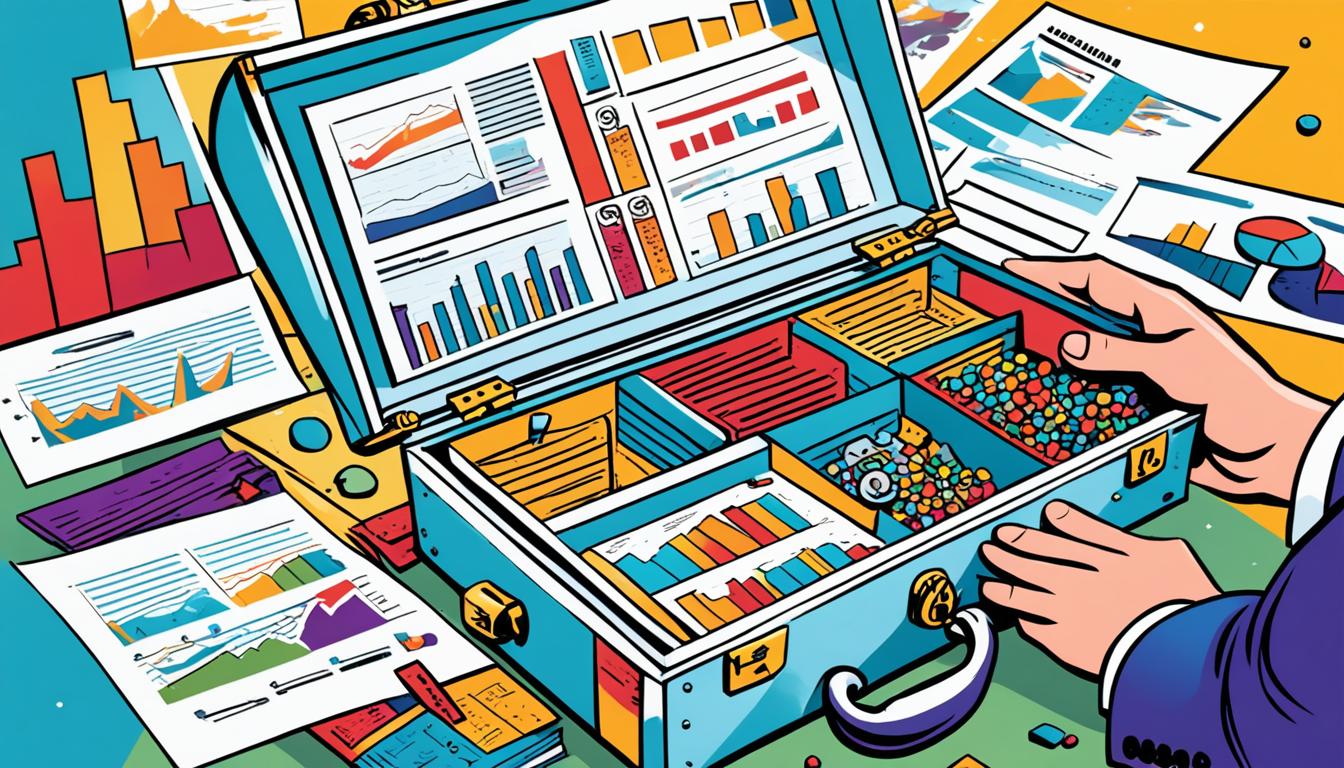
📊 Full opportunity report: The Art Of Relationship Building With Pre-Call Memory Cards In Sales on IdeaNavigator AI — validation score, market gap, and execution plan.

Get business pricing on office and shipping supplies
- Business-only prices and quantity discounts
- Tax-exempt purchasing
- Multiple users, one account, clear invoices
TL;DR

Pre-call memory cards are being tested as a new tool for independent financial advisors and sales professionals to enhance relationship management. Early validation suggests they could improve client trust by capturing human context beyond traditional CRMs.
Pre-call memory cards are being tested as a tool for independent financial advisors and sales account executives to improve relationship management. The initiative aims to address the gap in traditional CRM systems, which often fail to capture personal context that fosters trust. Early testing indicates that these memory cards could become a valuable, scalable addition to relationship-driven sales workflows.
The concept involves generating a one-page pre-call brief that consolidates a contact’s past emails, notes, and previous commitments. This is made possible by recent advances in large-language-model summarization, which can distill lengthy conversation histories into concise, searchable summaries.
According to sources, the goal is to create a simple, per-seat subscription tool that individual professionals can use before client meetings to recall key details about each contact. This approach aims to complement existing CRM systems by focusing on human context rather than just deal metrics.
Initial validation involves recruiting ten advisors to generate and test these memory cards over ten client meetings, with the expectation that the professionals will find them more useful than their current notes. The project is still in the pilot phase, and results are being collected to determine effectiveness.
Impact of Memory Cards on Relationship-Driven Sales
This development could significantly enhance how relationship-driven professionals build trust and rapport with clients. By providing quick access to personal details, open threads, and prior promises, these memory cards may improve client satisfaction and retention. The approach also addresses a known limitation of traditional CRMs, which often overlook the human element that influences trust and loyalty.
If validated, this tool could become a standard part of relationship management workflows, especially for independent advisors and salespeople who handle large contact volumes and need efficient ways to maintain personalized interactions.
As an affiliate, we earn on qualifying purchases.
Background on CRM Limitations and AI Advances
CRMs have long been used to track deal metrics and communication history, but they often fall short in capturing the personal nuances that drive trust in relationship-based professions. This gap has led to interest in new tools that can supplement existing systems with human context.
Recent advances in large-language-model summarization, driven by affordable AI, now make it feasible to distill extensive conversation histories into concise, searchable summaries. This technological breakthrough underpins the development of pre-call memory cards, which aim to provide a quick snapshot of a contact’s background before meetings.
The concept is gaining traction among independent financial advisors and sales professionals seeking more effective ways to manage relationships without overhauling their existing workflows.
“The ability to generate a quick, comprehensive memory of a contact’s history could transform relationship management for professionals handling hundreds of clients.”
— an anonymous researcher
Unclear Effectiveness and Adoption of Memory Cards
It is not yet confirmed how much these memory cards will improve relationship quality or client trust in practice. The pilot phase is ongoing, and results are still being analyzed. Adoption rates among professionals and integration with existing CRM workflows remain uncertain.
Next Steps for Validation and Broader Adoption
The next step involves completing pilot testing with the recruited advisors, collecting feedback, and measuring whether the memory cards lead to better client interactions. If results are positive, developers plan to refine the tool and expand its availability, potentially integrating it more deeply with existing CRM platforms.
Further studies will also explore how these tools impact long-term relationship metrics and client retention.
Key Questions
How do pre-call memory cards differ from traditional CRM notes?
Memory cards focus on summarizing personal details, previous promises, and open threads, providing a quick, human-centric snapshot, whereas traditional CRM notes often emphasize deal status and communication logs.
What technology enables the creation of these memory cards?
Large-language-model summarization technology allows for distilling lengthy conversation histories into concise, searchable summaries suitable for pre-call briefs.
Who is testing these memory cards?
Independent financial advisors and sales account executives are the primary users currently involved in pilot testing.
Could this tool replace existing CRM systems?
It is unlikely to replace CRMs but rather serve as a complementary tool that enhances relationship management by adding human context to existing data.
When might these memory cards become widely available?
If pilot results are positive, developers plan to expand testing and aim for broader availability within the next year or two.
Source: IdeaNavigator AI
Halloween Picks
halloween
As an affiliate, we earn on qualifying purchases.