
TL;DR
Business plan software makes creating professional, investor-ready plans faster and easier. Recent tools incorporate AI, collaboration, and automation, helping you craft accurate financial forecasts and compelling pitches efficiently.
You’ve probably seen a dozen templates online, but nothing beats a tailored, professional business plan — especially when you’re pitching investors or lenders. The right software can turn a confusing jumble of ideas into a sleek, convincing blueprint in hours, not weeks.
In this article, you’ll learn what makes some tools stand out, how recent tech advances are reshaping planning, and what features truly matter. Whether you’re launching a coffee shop or a tech startup, this guide helps you pick the best software for your journey.
Choose software with an intuitive interface and industry-specific templates to speed up your planning.
Recent AI integrations can generate content and financial forecasts, saving hours of manual work.
Cloud collaboration features are vital for remote teams to review and improve your plan together.
Always test the software’s ease of use with a free trial before committing.
Prioritize tools that connect with your existing financial or CRM systems for seamless data flow.
What Makes Business Plan Software Actually Useful?
Business plan software isn’t just fancy templates. It’s about turning your messy ideas into a clear, compelling story. The best tools focus on ease of use, offering intuitive interfaces, guided prompts, and pre-made templates for different industries. For example, a restaurant owner can quickly customize a plan with specific menu costs, staff needs, and location details.
Financial tools are the secret sauce. They automate calculations for budgets, cash flow, and break-even points, helping you understand exactly what it takes to turn a profit. This automation reduces manual errors, accelerates the planning process, and allows entrepreneurs to focus on strategic decisions rather than number crunching. Collaboration features, like live editing and comments, make teamwork seamless—crucial when your co-founders or advisors are miles away. These features also facilitate iterative improvements, ensuring your plan evolves with input from stakeholders.
Export options matter too. You want your plan in PDF for investors, PowerPoint for pitches, or Word for edits. Integration with accounting or CRM tools streamlines data flow, saving you hours of manual entry. This interconnectedness ensures your financial data remains consistent across platforms, reducing discrepancies and increasing credibility with investors.
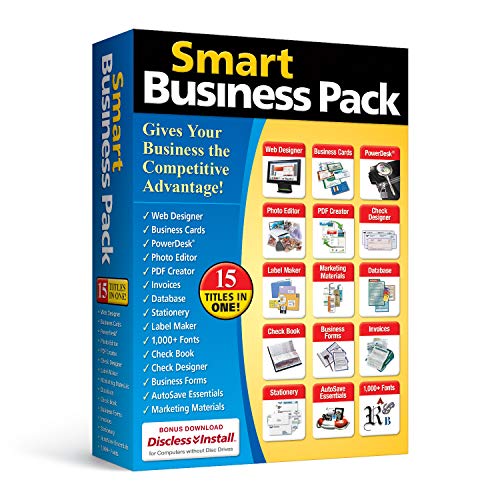
Smart Business Pack
- Includes 15 essential business software: 15 software titles for business needs
- Manage business info and legal transactions: Handle business data and legal docs
- Create checks and manage finances: Generate checks and oversee finances
As an affiliate, we earn on qualifying purchases.
As an affiliate, we earn on qualifying purchases.
How Recent Tech Changes Make Planning Smarter and Faster
Business plan software has leveled up with AI and automation, slashing planning time and boosting accuracy. Modern tools can generate market analysis, suggest content, and refine financial forecasts with just a few clicks. For instance, AI can analyze industry data trends to recommend realistic growth assumptions, helping you avoid overly optimistic or conservative projections. This matters because investors look for plans that are both ambitious and credible; overly optimistic forecasts can undermine trust, while overly conservative ones might undervalue your opportunity. The implications are that smarter tools help you strike this balance, increasing your chances of securing funding. Imagine inputting your revenue assumptions, and the software instantly calculating your break-even point and profit margins—saving hours of spreadsheet tinkering and reducing human error.
Cloud-based platforms now support real-time collaboration. Think of your team reviewing, commenting, and editing the plan simultaneously—no more endless email chains or version confusion. This immediacy accelerates decision-making and ensures everyone is aligned. Plus, mobile apps let you tweak your plan during a coffee break, whether you’re in a café or on a train, making planning more flexible and responsive to new insights or changes. The tradeoff is that increased collaboration requires robust data security measures; without proper safeguards, sensitive business data could be at risk. Therefore, choosing platforms with strong security protocols is essential to protect your intellectual property and financial information.
Some platforms even connect directly with funding sources, like crowdfunding sites or investor portals, making it easier to get your plan in front of the right eyes. This integration reduces the friction in the funding process, increasing your chances of securing capital quickly. However, it also requires careful management to ensure data security and compliance with platform requirements, which can be tradeoffs to consider.
Compare Top Business Plan Software — Which Fits Your Needs?
| Feature | LivePlan | Bizplan | Palo Alto Software |
|---|---|---|---|
| Ease of Use | Intuitive drag-and-drop interface | Step-by-step builder | Simple templates with guided prompts |
| Financial Tools | Built-in budgeting & forecasts | Advanced financial modules | Basic financial projections |
| Collaboration | Real-time editing & comments | Team sharing & feedback | Limited collaboration features |
| Pricing | $20–$40/month | $29/month | Included in software bundles |
Quick Steps to Build a Killer Business Plan Today
- Pick a software that matches your needs and budget. For example, if you’re new, try a free trial of LivePlan.
- Start with the industry-specific template. For instance, a tech startup might focus on market size and scalability.
- Input your financial assumptions—revenue, costs, growth projections.
- Customize the narrative, adding your unique value proposition and milestones.
- Share with partners or advisors for feedback; use collaboration tools to refine.
- Export in your preferred format and prepare to pitch investors or lenders.
What Should You Focus on When Choosing Business Plan Software?
Prioritize ease of use—nothing kills momentum faster than complicated interfaces. Look for industry-specific templates if you’re in a niche. Accurate financial forecasting tools are essential, especially if you plan to pitch investors or banks. These tools should allow you to input assumptions and automatically generate forecasts, but it’s important to understand their limitations: overly complex models can be confusing, while overly simplified ones may lack credibility. Balance is key.
Consider collaboration features if your team is remote. They enable real-time feedback and iterative improvements, which are vital for refining your plan efficiently. And don’t forget to check if the software integrates with tools you already use—like QuickBooks or HubSpot. This compatibility ensures data consistency and saves time. Lastly, always test the free trial to see if the platform feels intuitive and suits your workflow, as a good user experience can significantly impact your productivity and the quality of your plan.
Frequently Asked Questions
What is the best business plan software for startups?
LivePlan and Bizplan are among the top choices for startups due to their ease of use, templates, and financial tools. They score high on simplicity and speed, helping new entrepreneurs craft professional plans without prior experience.
How much does business plan software typically cost?
Most platforms range from $20 to $40 per month, with some offering annual discounts or free trials. Free versions or basic templates are also available for those just starting out.
Can I customize templates to fit my industry?
Yes. Most software offers industry-specific templates—like retail, tech, or hospitality—that you can tweak to match your unique business model and needs.
Is business plan software suitable for small businesses or only for large enterprises?
It’s ideal for small businesses and startups. In fact, most tools are designed to help entrepreneurs create clear, professional plans to attract funding or manage growth.
How accurate are the financial forecasts generated by these tools?
While software automates calculations based on your input, the accuracy depends on your assumptions. Use it as a guide, and double-check figures with your accountant when possible.
Conclusion
Business plan software has become an essential tool for entrepreneurs aiming to craft professional plans quickly and convincingly. The right platform doesn’t just save time—it transforms your ideas into a strategic blueprint that attracts funding and guides growth.
Invest a little time in exploring features, testing options, and understanding your needs. Your future investors will thank you for a plan that’s clear, compelling, and backed by smart tech.