📊 Full opportunity report: Build A Skincare Routine And Track It With A Glow-Up App on IdeaNavigator AI — validation score, market gap, and execution plan.

Get business pricing on office and shipping supplies
- Business-only prices and quantity discounts
- Tax-exempt purchasing
- Multiple users, one account, clear invoices
TL;DR
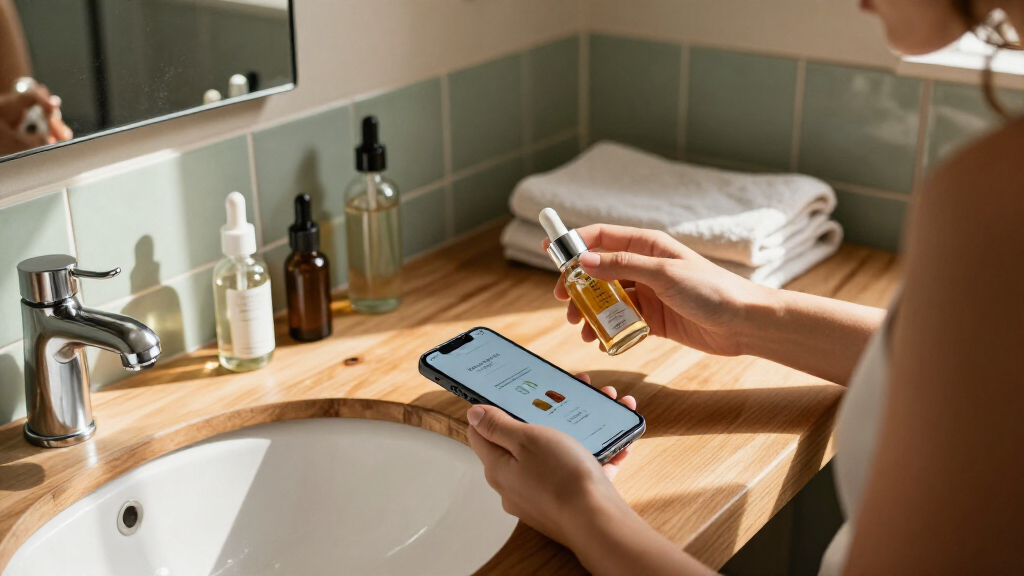
IdeaNavigator AI has outlined a proposed app concept for men who want to track whether a skincare routine is working, using guided selfies, routine logs and progress indicators. The proposal is a product opportunity, not a report of a launched app or validated results; demand, scoring accuracy and commercial performance remain untested.
IdeaNavigator AI has proposed a skincare-tracking app for men who want to see whether a new routine is producing visible change, but the proposal describes an idea to validate rather than a product launch. Its suggested first version would combine weekly guided selfies, routine logging and progress cards to give users a record of changes in skin clarity, texture and dark circles.
The concept targets a specific early user: a man newly invested in skincare who wants some form of evidence that his routine is working. The proposal argues that existing beauty apps may feel unwelcoming to some men because of their design, tone or marketing. That is presented as the problem the product would address, not as a measured finding about app use or customer behavior.
The recommended minimum viable product would ask users to take selfies on a weekly schedule, log the products and steps in their routines, and follow progress indicators over time. The suggested measures are skin clarity, texture and dark circles. Streaks would reward regular logging, while progress cards would describe results in training-style terms rather than relying on conventional beauty language.
The proposed business model is a subscription, supplemented by affiliate recommendations for products linked to gaps identified through tracking. IdeaNavigator AI also recommends testing the same photo-capture experience with men’s-training branding and with neutral branding, then comparing conversion and retention across user segments. No test has been reported, and the proposal provides no pricing, user numbers or evidence that the suggested metrics can reliably measure improvement.
Testing a More Welcoming Skincare Tracker
The idea addresses a practical barrier for people starting a routine: judging change can be difficult when it happens gradually, and users may not know whether to continue, adjust products or change how often they apply them. A consistent photo record and routine log could make those observations easier to review. The proposed weekly tracking format is intended to turn an informal process into something users can follow over time.
For app makers, the concept also treats branding as something to test rather than assume. Comparing training-oriented language with neutral presentation could help establish whether positioning affects sign-ups or sustained use for the intended audience. Those measures would matter to the product’s viability, but no conversion or retention results are available yet.
The commercial proposal carries a separate consideration: recommendations could generate affiliate revenue while also influencing which products users see. That makes clear disclosure and a distinction between measured observations and paid recommendations relevant to trust. The concept does not explain how an app would handle those safeguards, or whether product suggestions would be based on validated criteria.
men's skincare routine tracker app
As an affiliate, we earn on qualifying purchases.
As an affiliate, we earn on qualifying purchases.
A Narrow First Use Case
IdeaNavigator AI frames the opportunity within men’s grooming technology and describes men’s skincare as a fast-growing grooming segment. It also points to looksmaxxing culture as a source of interest in measurable appearance-related goals. These are the proposal’s market rationale; it does not provide market-size figures, growth rates, surveys or other data to quantify either claim.
Rather than propose a broad skincare platform, the plan starts with a single use case: helping a new user track a routine and review visible changes. That narrower scope could make an initial product easier to test than a service covering every skin type, concern and product category. The suggested measures and weekly cadence are design choices in the proposal, not established standards for assessing skin health or treatment outcomes.
The proposal’s validation step is a comparison of two brand positions using the same capture technology. That setup is intended to test whether the framing itself changes user response, rather than attributing any difference to different app features. The plan does not provide a recruitment approach, test duration, sample size or definition of retention.
Demand and Measurement Remain Untested
There is no evidence in the proposal that an app has been built, released or tested with users. It does not say whether men entering skincare would prefer this format, whether training-oriented branding would improve conversion, or whether users would keep logging routines after the initial weeks.
It is also unclear how selfies would be scored, what lighting and camera conditions would be required, or how the app would account for changes in angle, image quality and skin appearance over time. The proposal names clarity, texture and dark circles but does not describe a scoring method or establish that automated assessments would be accurate. It also provides no details on photo privacy, data storage or deletion.
Finally, the subscription and affiliate model is proposed rather than demonstrated. Pricing, recommendation rules, disclosure practices and the relationship between commercial links and any progress assessment have not been specified. No clinical claims or health outcomes are supplied, so the concept should not be read as evidence that the suggested measures diagnose skin conditions or show treatment effectiveness.
Brand Tests Would Be the Next Step
The next step outlined by IdeaNavigator AI is to test the same photo-capture product with men’s-training branding versus neutral branding. The comparison would track conversion and retention by segment to see whether positioning attracts the intended users and whether they continue using the app. The proposal does not say that this experiment has started or give a timetable.
Before the concept could support stronger claims, a test would also need to define how progress is scored and what conditions make photo comparisons consistent. Product decisions around privacy, user control of images and the labeling of affiliate recommendations would need to be made as well. Until those details and results are available, the app remains a proposed product concept, not a proven skincare measurement tool.
Source: IdeaNavigator AI
Key Questions
Has the men’s skincare tracking app launched?
No launch is reported. IdeaNavigator AI describes a product concept and a suggested validation test, not an available app.
What features would the proposed app include?
The suggested first version would use weekly guided selfies, routine logging, streaks and progress cards focused on clarity, texture and dark circles.
Would the app prove that a skincare product works?
No such proof is established. The proposal does not describe a validated scoring method or clinical testing, and photo-based changes alone would not establish that a product caused an outcome.
How does the concept propose to make money?
It suggests a subscription and affiliate product recommendations. No prices, commercial terms or recommendation safeguards are provided.
What is the proposed next test?
The proposal recommends comparing men’s-training branding with neutral branding on the same capture experience, then measuring conversion and retention by user segment. No results or schedule have been reported.
Source: IdeaNavigator AI
Halloween Picks
halloween
As an affiliate, we earn on qualifying purchases.