

To maintain reserves and build contingency funds, regularly set aside a portion of your income based on your monthly expenses and potential emergencies. Balance your savings with investments that grow over time while keeping enough liquid funds for urgent needs. Review and adjust your reserves as your income or expenses change. Staying disciplined and consistent is key, and if you keep at it, you’ll discover how to strengthen your financial security more effectively.
Key Takeaways
- Regularly assess and adjust reserve levels based on changes in income, expenses, and life circumstances.
- Set clear, achievable targets for emergency funds to maintain discipline and prevent misuse.
- Balance reserve building with investment growth to ensure both liquidity and long-term wealth.
- Practice disciplined savings and review your reserves periodically to ensure adequate coverage for emergencies.
- Recognize reserves as an ongoing component of financial planning to enhance resilience and peace of mind.

Having reserves and contingency funds in place is essential for financial stability and peace of mind. When you prioritize building and maintaining these funds, you’re effectively practicing good investment planning and risk management. These strategies protect you against unexpected expenses, income disruptions, or economic downturns, ensuring you’re not caught off guard. By allocating a portion of your income regularly toward reserves, you create a safety net that allows you to navigate life’s uncertainties with confidence. This proactive approach reduces anxiety and helps you stay on course with your financial goals, even when unforeseen events occur.
Prioritizing reserves and contingency funds ensures financial stability and peace of mind through proactive risk management.
Investing in your reserves isn’t just about saving money; it’s about making smart choices that align with your broader financial picture. Think of your contingency fund as a crucial component of your investment planning. While traditional investments aim for growth over the long term, a contingency fund provides immediate liquidity for emergencies. Maintaining a balance between these two elements ensures you’re prepared for both short-term crises and long-term wealth accumulation. As you build your reserves, consider factors like your monthly expenses, potential emergencies, and future financial needs. Setting clear targets helps you stay disciplined and prevents you from dipping into reserves for non-essentials, which could undermine your safety net.
Risk management becomes more effective when your contingency funds are well-stocked. The presence of adequate reserves allows you to handle unexpected costs without resorting to high-interest debt or derailing your financial journey. For example, if you suddenly face a medical bill or a major appliance breakdown, your reserves act as a buffer, preventing stress and financial setbacks. This not only preserves your credit health but also maintains your momentum toward long-term financial objectives. Regularly reviewing and adjusting your funds ensures they remain aligned with your current circumstances and potential risks. As your income grows or expenses change, so should your reserves—this ongoing process enhances your overall risk management strategy.
In essence, having reserves and contingency funds isn’t a one-time task but a continuous practice of prudent investment planning and risk management. It empowers you to handle life’s surprises more effectively, supports your financial resilience, and enables you to pursue your goals without constant worry. Building these funds requires discipline, but the peace of mind they offer is well worth the effort. Ultimately, resilient finances come from proactive planning, smart saving, and a commitment to safeguarding your financial well-being. Recognizing the importance of financial resilience can motivate you to stay disciplined in your savings efforts and adapt your strategies as your circumstances change.

Homgaty Money Box with Counter, Reusable Wooden Money Box Retro Piggy Bank with 500 1000 2000 3000 5000 10000 Money Saving Target, Wooden Money Bank for Kids Adults to Create Emergency Fund
MONEY BOX WITH VARIOUS TARGET – Unlike the money box with fix target, our new upgrade money bank…
As an affiliate, we earn on qualifying purchases.
As an affiliate, we earn on qualifying purchases.
Frequently Asked Questions
How Often Should Reserve Funds Be Reviewed or Updated?
You should review and update your reserve funds at least annually to guarantee they align with your current financial situation and risk management strategies. Regular reviews help you adapt to changes in investment strategies, economic conditions, or unexpected expenses. By staying proactive, you minimize financial risks and ensure your reserves are sufficient to cover potential emergencies, maintaining stability and confidence in your overall financial plan.
What Are the Best Investment Options for Reserve Funds?
Did you know that over 60% of successful investors prioritize investment diversification? For your reserve funds, consider options like high-yield savings accounts, certificates of deposit, or money market funds for low risk and liquidity. These choices help with risk management and guarantee quick access during emergencies. Avoid overly risky investments, and regularly review your options to keep your reserve fund secure and accessible when you need it most.
How Do Reserves Impact Credit Ratings and Borrowing Costs?
Your reserves positively impact your credit rating by showing lenders you’re prepared for financial setbacks, which can lead to better credit scores. A strong credit rating reduces borrowing cost considerations, meaning you’ll likely secure loans at lower interest rates. Maintaining adequate reserves demonstrates financial stability, reassuring lenders. This can improve your credit rating impact, making borrowing more affordable and accessible, especially during unexpected expenses or economic downturns.
Can Reserves Be Used for Non-Emergency Expenses?
Yes, you can use reserves for non-emergency expenses if your emergency planning allows it. Proper fund allocation guarantees you’re prepared for unexpected situations, but sometimes reserves are also tapped for strategic investments or operational needs. Just remember, using reserves for non-emergency expenses may impact your ability to cover future emergencies, so weigh your options carefully and maintain a balance that supports both immediate needs and long-term stability.
What Are Common Mistakes to Avoid When Building Contingency Funds?
When building contingency funds, avoid common fundraising pitfalls like underestimating costs or overfunding risks that lead to unnecessary resource allocation. Don’t set your target too high, risking unused funds, or too low, leaving you unprepared for emergencies. Track expenses closely and adjust your goals accordingly. Regularly review your reserves to ensure they’re sufficient but not excessive, helping you maintain a healthy balance and prevent financial pitfalls.
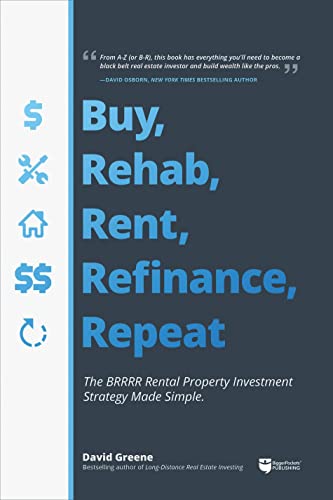
Buy, Rehab, Rent, Refinance, Repeat: The BRRRR Rental Property Investment Strategy Made Simple
As an affiliate, we earn on qualifying purchases.
As an affiliate, we earn on qualifying purchases.
Conclusion
Think of your reserves and contingency funds as a sturdy ship sailing through unpredictable seas. With each careful deposit, you strengthen its hull against storms ahead. When rough waters come unexpectedly, your ship remains steady, guiding you safely to calmer shores. Remember, maintaining these funds isn’t just about financial security—it’s about building resilience. Stay vigilant, keep your ship well-stocked, and you’ll navigate life’s uncertainties with confidence and grace.
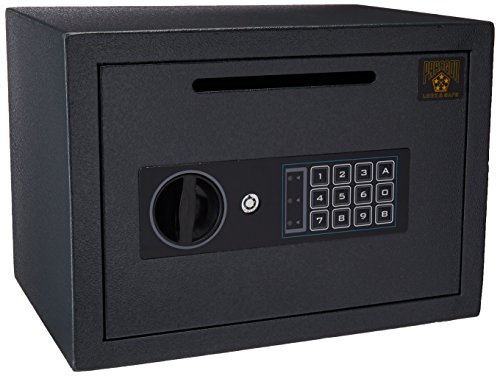
Drop Safe – Digital Compact Steel Money Security Box with Keypad – Deposit Cash Easily – For Home or Business by Paragon Safe – Black, .54 Cubic Feet
DEPOSITORY SAFE – The money drop box can conveniently be utilized in your home or business and is…
As an affiliate, we earn on qualifying purchases.
As an affiliate, we earn on qualifying purchases.
contingency fund calculator
As an affiliate, we earn on qualifying purchases.
As an affiliate, we earn on qualifying purchases.