
📊 Full opportunity report: Cohort-Based Interventions For Better Phone Habits on IdeaNavigator AI — validation score, market gap, and execution plan.

Get office and shipping supplies delivered free — and shop member deals
- Fast, free delivery on millions of items
- Access to Prime Big Deal Days deals on October 6–7
- Prime Video, Amazon Music and more included
TL;DR
Researchers propose testing cohort-based recovery programs for adults with severe phone habits who have not responded to blocker apps. The initiative aims to fill a market gap with structured group therapy and peer accountability, potentially transforming digital wellness approaches.
A new approach to tackling severe phone overuse is emerging, focusing on cohort-based recovery programs designed specifically for adults who have already failed traditional blocking apps. This initiative aims to address a significant gap in the market for effective, affordable, and scalable interventions for those with entrenched phone habits, which could reshape digital wellness strategies.
The proposed program involves eight-week cohorts of ten adults each, with weekly facilitated sessions, daily check-ins, and personalized trigger maps and relapse prevention plans. For more on effective planning tools, see AI student planners. Unlike existing solutions, which are either inexpensive and easily overridden or highly expensive private coaching, this program offers a structured group recovery model with peer accountability, at a mid-tier price point of around $400 per cohort.
According to sources involved in the initiative, the program will incorporate optional in-group screen-time sharing and facilitate ongoing alumni groups to support sustained behavior change. The plan is to run two paid pilot cohorts, measuring changes in screen time at weeks 8 and 16, and tracking alumni engagement to validate effectiveness and scalability.
The opportunity arises from the increasing mainstream concern about phone overuse, which has gained clinical recognition. The infrastructure for such programs is now more feasible, thanks to existing digital tools like screen-time APIs and the growing acceptance of group-based behavioral health interventions.
Potential Impact on Digital Wellness Strategies
If successful, this cohort-based approach could fill a critical gap in digital wellness offerings for adults with severe phone habits. It offers a scalable, community-supported alternative to existing solutions, potentially leading to more sustained behavior change. This model could influence how digital addiction is addressed within behavioral health, providing a replicable framework for other habits or addictions.
Furthermore, the program’s emphasis on peer accountability and personalized relapse plans aligns with evidence suggesting social support enhances habit change. Its affordability and structure could make it accessible to a broader demographic, reducing reliance on costly private coaching or ineffective quick fixes.
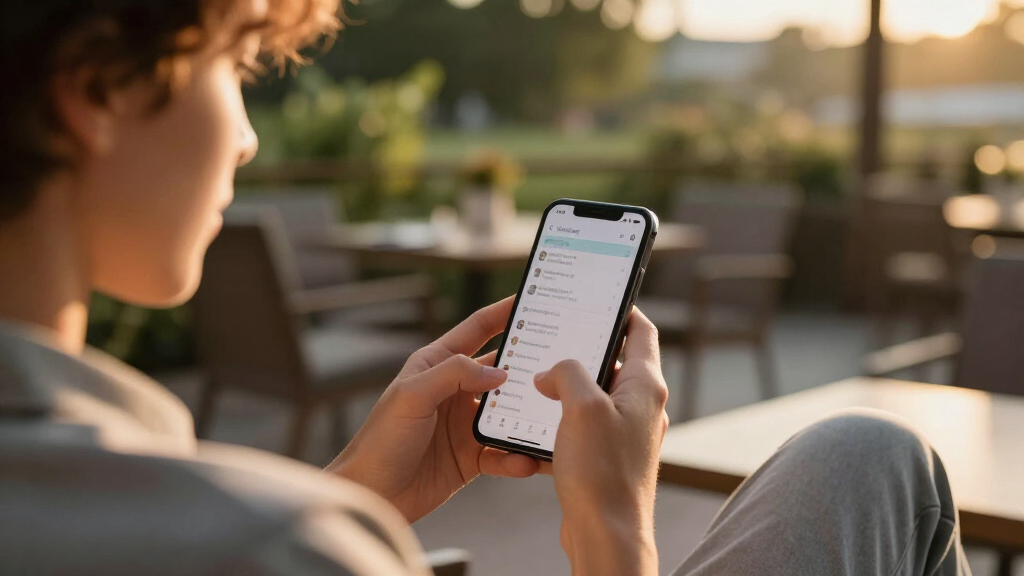
phone addiction recovery support group
As an affiliate, we earn on qualifying purchases.
As an affiliate, we earn on qualifying purchases.
Growing Concern and Market Gaps in Phone Addiction Solutions
Over the past few years, concerns about excessive phone use have become more mainstream, with both public discourse and clinical research acknowledging its potential harms. Despite this, existing market solutions are limited: low-cost blockers are often overridden within days, while high-cost private coaching remains out of reach for most adults. This leaves a substantial segment of users with entrenched habits without effective support options.
Recent developments in digital health infrastructure, including API integrations for monitoring screen time, and a shift toward group therapy models in behavioral health, create an environment conducive to testing new interventions. The idea of cohort-based recovery programs has gained traction in other areas of behavioral health, but has yet to be widely applied to digital addiction in adults.
“Structured group recovery with peer accountability could be a game-changer for adults who have failed traditional blockers.”
— an anonymous researcher
Effectiveness and Adoption of the Cohort Model Unclear
It remains uncertain whether the cohort-based model will produce sustained reductions in screen time among adults with severe habits. The pilot results are yet to be published, and factors such as participant engagement, facilitator quality, and long-term adherence will influence outcomes. Additionally, the willingness of adults to pay for and commit to this format is still to be tested in real-world settings.
Upcoming Pilot Cohorts and Evaluation Metrics
The initiative plans to launch two paid pilot cohorts at a fee of approximately $400 each, with recruitment beginning shortly. The primary metrics for success will include changes in daily screen time at weeks 8 and 16, participant retention, and alumni group engagement. Results from these pilots will determine whether the program can be scaled and integrated into broader digital wellness offerings.
Key Questions
How does the cohort-based recovery program differ from existing solutions?
The program emphasizes structured group support, peer accountability, and personalized relapse plans, contrasting with low-cost blockers and high-priced private coaching.
Who is the target audience for this program?
Adults with severe, entrenched phone habits who have already failed traditional blocking apps are the primary target group.
What are the expected costs and commitments for participants?
The proposed program fee is around $400 for an eight-week cohort, with optional alumni memberships for ongoing support.
When will the results of the pilot be available?
The pilots are scheduled to launch soon, with outcome data expected within a few months after completion.
Could this model be applied to other behavioral health issues?
Potentially, yes. The structure and community support elements could be adapted for other habits or addictions, depending on pilot outcomes.
Source: IdeaNavigator AI
Fall Picks
fall essentials
As an affiliate, we earn on qualifying purchases.