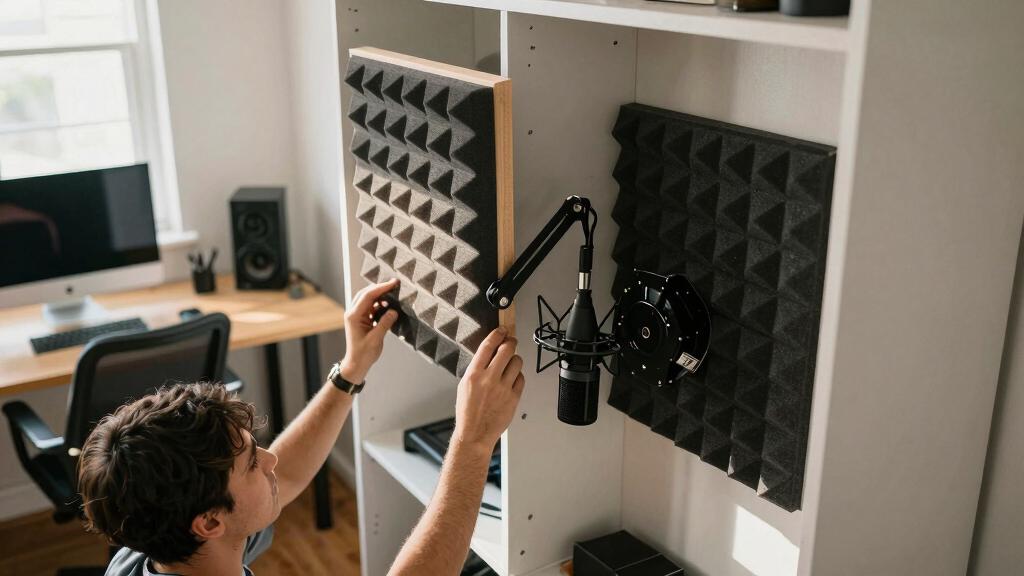

📊 Full opportunity report: Acoustic Dampening, Placement, and the “Rig in the Closet” Setup on ThorstenMeyerAI.com — validation score, market gap, and execution plan.

Get business pricing on office and shipping supplies
- Business-only prices and quantity discounts
- Tax-exempt purchasing
- Multiple users, one account, clear invoices
TL;DR
Moving your high-powered rig into a closet significantly reduces noise and reflections. Proper placement, sealing gaps, and ventilation are key to creating a quiet, effective workspace. This guide details practical steps for optimal setup.
Moving a high-performance computer or audio rig into a closet is confirmed as the most effective method to reduce noise and unwanted reflections, according to industry experts. For detailed strategies, see Acoustic Dampening, Placement, and the “Rig in the Closet” Setup.
Experts highlight that relocating a rig into a closet drastically cuts noise levels and echo more effectively than relying solely on foam treatments. Proper placement of the equipment, sealing gaps around doors and walls, and managing heat through ventilation are critical for optimal results. Using DIY materials like blankets and foam strategically can further improve sound quality, but the primary focus should be on positioning and sealing.
The distinction between acoustic dampening and soundproofing is emphasized: dampening materials absorb reflections and echoes within the space, while soundproofing involves sealing gaps to prevent noise leakage. Most small-space echo issues can be mitigated with about 20-30% wall coverage using absorption panels, combined with gap sealing for better isolation.
Acoustic dampening
& the rig in the closet.
The most powerful noise fix isn’t a material — it’s a floor plan. A rig you can’t hear because it’s in another room beats any amount of foam. Tap the approaches in Part 1 to see what actually works.
(another room)
(levers 1–4)
(door / barrier)
(acoustic foam)
Contain the noise, not the heat
Why Proper Setup Improves Audio Quality and Noise Isolation
This approach matters because it allows users to operate high-powered rigs in shared or quiet environments without disturbing others or suffering from echo and noise interference. It also enhances the clarity of recordings or work sessions, saving time in editing and troubleshooting. Proper setup extends hardware longevity by preventing heat buildup and ensures a more controlled, professional workspace.
As an affiliate, we earn on qualifying purchases.
Background on Closet-Based Rigs and Acoustic Strategies
Many users have experimented with placing their rigs in closets to reduce noise, especially in home recording or gaming setups. Industry guidelines stress that while foam and absorption materials help manage reflections, the key to effective noise control is strategic placement of the equipment, sealing gaps, and managing heat. Recent advice consolidates best practices for small-space setups, emphasizing the importance of reflection points, corner traps, and ventilation.
"Moving your rig into a closet can drastically reduce noise if combined with proper placement and sealing."
— Thorsten Meyer, acoustic consultant
Remaining Questions on Optimal Closet Setup
While best practices are outlined, specifics about the ideal combination of materials, exact ventilation solutions, and long-term effects on hardware temperature are still being studied. The effectiveness of DIY materials varies depending on room size and equipment load, and some users report challenges in balancing soundproofing with heat dissipation.
Next Steps for Users Setting Up a Closet Rig
Users should experiment with placement, sealing, and ventilation to tailor setups to their specific environments. Further research into specialized soundproof cabinets and advanced ventilation solutions is expected to provide more refined options. Monitoring hardware temperatures and sound levels will help optimize configurations over time.
Key Questions
Is moving my rig into a closet enough to eliminate noise?
Relocating your rig into a closet significantly reduces noise and reflections, but sealing gaps and proper placement are essential for maximum noise reduction.
What materials are best for acoustic treatment in a closet?
Thick foam panels, moving blankets, rugs, and bass traps in corners are effective. Covering the door with a blanket or foam also helps prevent sound escape.
How do I prevent my hardware from overheating in a closet?
Install ventilation such as exhaust fans, passive vents, or ducted airflow systems to maintain safe temperatures while reducing noise.
How much acoustic treatment do I need for a small closet?
About 20-30% wall coverage with absorption panels, combined with gap sealing, is usually sufficient for effective sound control.
Can I use DIY materials for acoustic dampening?
Yes, materials like blankets, quilts, and foam can be effective if strategically placed, but they should be used in conjunction with sealing gaps and proper placement.
Source: ThorstenMeyerAI.com
Halloween Picks
halloween
As an affiliate, we earn on qualifying purchases.