
📊 Full opportunity report: Acoustic Dampening, Placement, and the “Rig in the Closet” Setup on ThorstenMeyerAI.com — validation score, market gap, and execution plan.

Get business pricing on office and shipping supplies
- Business-only prices and quantity discounts
- Tax-exempt purchasing
- Multiple users, one account, clear invoices
TL;DR
This article explores proven methods to reduce noise from high-power AI workstations through strategic placement and acoustic treatments. Key focus on moving rigs out of the workspace and using ventilated enclosures for quiet, efficient operation.
Moving high-power AI workstations out of the immediate workspace into separate rooms or enclosures is the most effective way to reduce noise, according to industry experts.
Recent guidance from Thorsten Meyer emphasizes that the primary method of noise reduction is increasing distance and isolation from the source. Placing the rig in another room or closet significantly diminishes perceived noise levels, especially since many AI tasks are performed remotely via network connections.
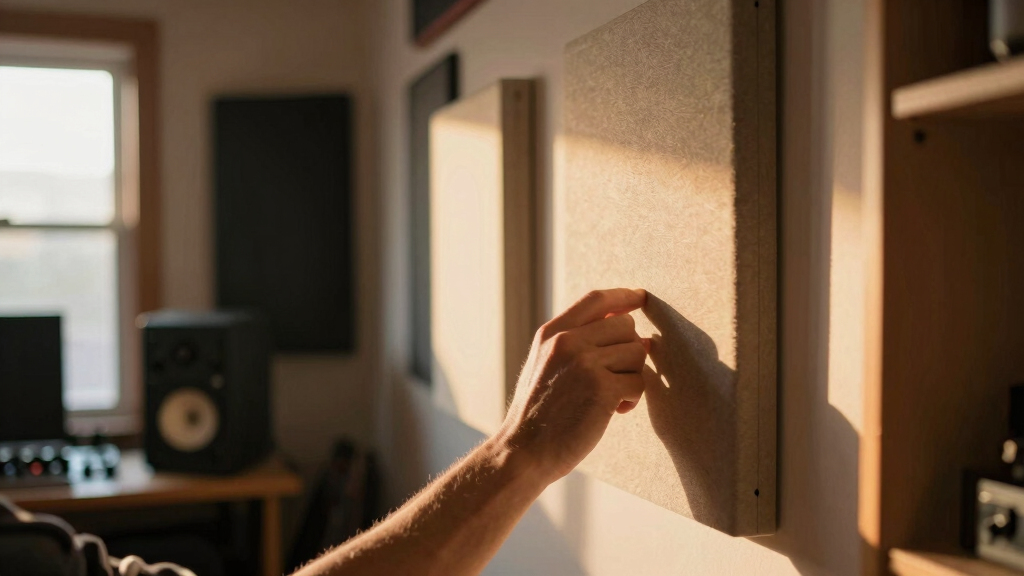
The article highlights that acoustic foam and other absorption materials are less effective than physical separation, as they only address airborne noise and not structure-borne vibrations. Mechanical decoupling, such as rubber feet or anti-vibration pads, can further reduce hum transmitted through solid surfaces.
For setups where the rig must stay in the same space, the ‘rig in the closet’ approach can work well if proper ventilation is maintained. This involves active airflow management, including exhaust fans and ducting, to prevent heat buildup, which can damage hardware or cause throttling. Acoustic dampening, placement, and the ‘rig in the closet’ setup are recommended for balancing noise containment and thermal management, though they are more costly.
Acoustic dampening
& the rig in the closet.
The most powerful noise fix isn’t a material — it’s a floor plan. A rig you can’t hear because it’s in another room beats any amount of foam. Tap the approaches in Part 1 to see what actually works.
(another room)
(levers 1–4)
(door / barrier)
(acoustic foam)
Contain the noise, not the heat
Why Placement and Ventilation Are Critical for Quiet AI Workstations
Effective noise management improves working conditions, reduces stress, and allows for more flexible workspace arrangements. For remote or shared environments, isolating the rig physically can eliminate the need for extensive acoustic treatment. Proper ventilation in enclosed setups prevents overheating, ensuring hardware longevity and consistent performance. These techniques are vital as AI hardware becomes more powerful and generates more heat and noise.
acoustic isolation enclosure for PC
As an affiliate, we earn on qualifying purchases.
As an affiliate, we earn on qualifying purchases.
Hierarchy of Noise Reduction Strategies for AI Rigs
The hierarchy begins with increasing distance and physical separation, which offers the most significant noise reduction. Next, reducing noise at the source through cooling and fan management minimizes the need for additional treatments. Blocking airborne noise with barriers and absorbing reflections with foam are less effective alone but can complement placement strategies. The distinction between airborne and structure-borne noise guides the choice of solutions, with mechanical decoupling addressing vibrations and soundproof enclosures managing airborne sounds.
Recent discussions among hardware enthusiasts and professionals emphasize that many users overlook the importance of ventilation and the impact of trapped heat when placing rigs in sealed spaces. Proper airflow is essential to prevent thermal throttling and hardware damage, especially in high-load AI workloads. For more details, see Acoustic dampening, placement, and the 'rig in the closet' setup.
"The most effective noise reduction is moving the rig into another room or closet, especially since most AI tasks are networked. Foam and barriers are less impactful than physical separation."
— Thorsten Meyer
Remaining Challenges in Quiet AI Workstation Setups
While the principles of placement and ventilation are well-established, specific solutions vary depending on room layout, hardware configuration, and budget. The effectiveness of custom soundproof cabinets and advanced airflow systems can differ, and real-world testing is often needed to optimize setups. Additionally, the impact of different hardware models on heat and noise profiles remains an area for ongoing evaluation.
Next Steps for Implementing Quiet AI Workstations
Users should assess their workspace to identify opportunities for physical separation, such as relocating rigs to dedicated rooms or closets. Investing in proper ventilation, whether through passive vents or active exhaust systems, is critical. Further research and development are expected in soundproof enclosure design and thermal management solutions, which will make quiet, high-performance AI setups more accessible and reliable.
Key Questions
Is moving the rig to another room always the best solution?
Generally, yes. It provides the greatest noise reduction, especially if network connectivity and ventilation are properly managed.
Can acoustic foam alone make my AI rig quieter?
No. Foam absorbs airborne noise but does not reduce vibrations or heat-related noise. Placement and ventilation are more effective.
What are the risks of placing a rig in a sealed closet?
Without proper airflow, heat can accumulate, leading to thermal throttling, hardware damage, or reduced lifespan.
Are soundproof cabinets worth the investment?
For high-power, continuous workloads, they can effectively contain noise while managing heat, but they are more costly and complex to set up.
What tools or accessories help with vibration reduction?
Anti-vibration pads, rubber feet, and grommets can significantly reduce structure-borne noise transmitted through surfaces.
Source: ThorstenMeyerAI.com
Evergreen bestsellers Picks
bestsellers
As an affiliate, we earn on qualifying purchases.