

Sustainable leadership means you take concrete actions to promote environmental stewardship, showing your commitment to eco-conscious practices that benefit your organization and the planet. You can champion renewable energy sources like solar or wind, incorporate eco-friendly practices into daily operations, and foster a culture of responsibility. By embedding sustainability into your core values, you inspire your team and influence long-term success. Keep exploring how your leadership can make a meaningful difference for a sustainable future.
Key Takeaways
- Sustainable leadership involves implementing tangible environmental initiatives that demonstrate a long-term commitment to eco-conscious practices.
- Championing renewable energy sources like solar and wind reduces reliance on fossil fuels and lowers greenhouse gas emissions.
- Incorporating eco-conscious practices into daily operations encourages team participation and enhances organizational sustainability.
- Innovating with new technologies and circular economy models minimizes environmental impact and positions organizations as leaders in sustainability.
- Embedding sustainability into core values fosters a culture of responsibility, balancing economic growth with environmental stewardship.
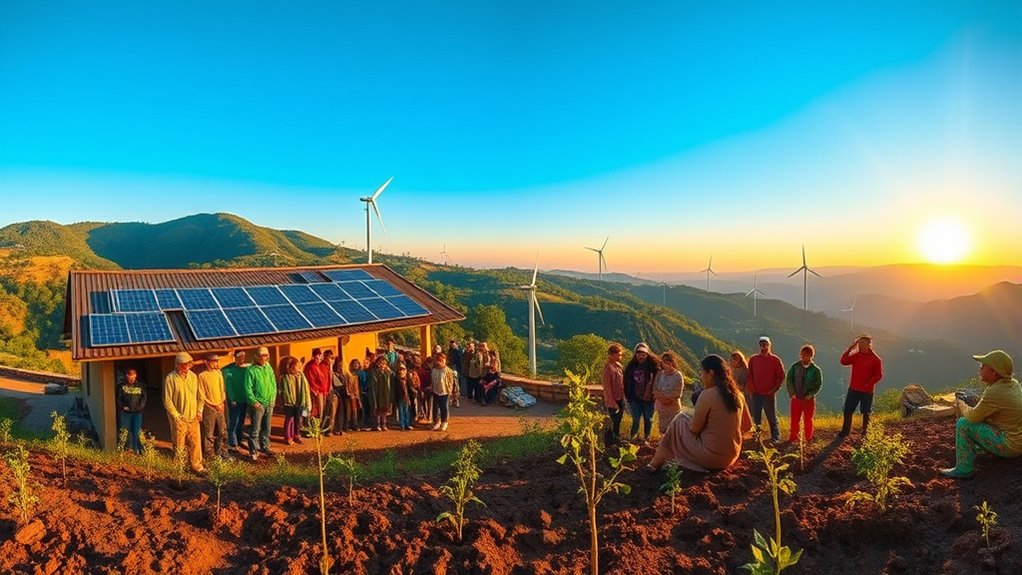
Have you ever wondered how leaders can make a real difference in protecting our planet? It starts with understanding that sustainable leadership isn’t just about making promises; it’s about taking concrete actions that foster positive change. One of the most powerful ways leaders can do this is by championing renewable innovation. By investing in and promoting clean energy sources like solar, wind, and geothermal, you can reduce reliance on fossil fuels and lower greenhouse gas emissions. This shift demonstrates a commitment to eco conscious practices that prioritize the health of the environment. When leaders embrace renewable innovation, they set a precedent that sustainability isn’t optional—it’s essential for long-term success and survival.
Leaders can protect our planet by championing renewable energy and fostering sustainable, eco-conscious practices.
As a leader, your influence extends beyond policies to shaping organizational culture. Incorporating eco conscious practices into daily operations encourages everyone to participate in sustainability efforts. This can mean simple steps like reducing paper waste, implementing energy-efficient systems, or supporting sustainable supply chains. When you lead by example, you inspire your team to adopt these practices voluntarily, creating a ripple effect that amplifies your impact. It’s about fostering a mindset where everyone understands that their choices matter, and small changes can lead to significant environmental benefits. Additionally, understanding the importance of quality assessment in selecting sustainable materials ensures long-lasting positive impacts.
Moreover, sustainable leadership involves actively seeking innovative solutions that push the boundaries of traditional practices. You can leverage technology and research to develop new methods for minimizing environmental impact. For instance, exploring circular economy models or green building techniques can drastically cut waste and energy consumption. By staying open to creative approaches and continuously learning about emerging eco-friendly technologies, you position yourself as a leader committed to progress. This proactive stance not only benefits the environment but also enhances your organization’s reputation and resilience.
Ultimately, your role as a leader is to embed sustainability into the core values of your organization. This means making decisions that prioritize environmental health alongside economic growth. Embracing renewable innovation and implementing eco conscious practices become integral parts of your strategic vision. When you do so, you create a culture that values stewardship and accountability, encouraging others to follow suit. Your actions can inspire broader change, demonstrating that responsible leadership isn’t just good ethics—it’s good business. By leading with purpose and innovation, you help forge a sustainable future where both people and the planet thrive.

Acoustic Design Works - Diamond Layer Acoustic Panel Kit– 40” X 30” X 2”
The Diamond Layer Acoustic Panels come in a variety of colors and will add elegance and noise reduction...
As an affiliate, we earn on qualifying purchases.
Frequently Asked Questions
How Can Small Businesses Implement Sustainable Leadership Practices Effectively?
You can implement sustainable leadership practices by integrating corporate social responsibility into your business goals and decision-making processes. Focus on developing sustainable supply chains that prioritize environmentally friendly materials and fair labor practices. Communicate transparently with stakeholders about your sustainability efforts, and encourage your team to embrace eco-friendly habits. By embedding these practices into your daily operations, you’ll foster a culture of responsibility and ensure long-term success.
What Metrics Are Best for Measuring Environmental Stewardship Success?
To measure your environmental stewardship success, track your carbon footprint regularly to see how your activities impact emissions. Assess resource efficiency by monitoring how effectively you use water, energy, and materials. Set clear, measurable goals, and compare your progress over time. Use tools like sustainability reports or software to gather data. These metrics give you concrete insights, helping you improve your practices and demonstrate your commitment to environmental responsibility.
How Does Sustainable Leadership Influence Employee Engagement and Retention?
You see that sustainable leadership boosts employee engagement and retention by fostering a culture of corporate responsibility and ethical decision-making. When you lead with integrity and prioritize environmental and social values, employees feel valued and motivated. This transparent commitment encourages loyalty, improves morale, and attracts talent who share your vision. Ultimately, your focus on responsible practices creates a positive workplace environment, making employees more committed and less likely to leave.
What Role Do Government Policies Play in Promoting Environmental Stewardship?
Imagine a vibrant forest thriving under clear skies—that’s how government policies foster environmental stewardship. By implementing policy incentives and robust regulatory frameworks, you’re encouraged to adopt eco-friendly practices and innovate sustainably. These policies act as guiding stars, illuminating the path toward responsible resource use. They shape behaviors, promote accountability, and guarantee long-term ecological health, empowering you to make impactful decisions that benefit both the environment and community.
How Can Leaders Balance Profitability With Environmental Responsibility?
You can balance profitability with environmental responsibility by investing in green technology and integrating corporate social responsibility into your core strategy. Prioritize sustainable practices that reduce costs and enhance brand reputation, showing your commitment to environmental stewardship. By aligning profit goals with eco-friendly initiatives, you attract eco-conscious consumers and stakeholders, creating a win-win situation. This approach not only benefits the planet but also drives long-term business growth and competitiveness.

EUHOMY Commercial Ice Maker Machine, 100lbs/24H Stainless Steel Under Counter ice Machine with 33lbs Ice Storage Capacity, Freestanding Ice Maker.
HIGH CAPACITY & FAST ICE MAKING – Designed for heavy-duty usage, this commercial ice maker produces up to...
As an affiliate, we earn on qualifying purchases.
Conclusion
By embracing bold, balanced, and responsible leadership, you can become a powerful steward of the environment. Your commitment to conscious choices and caring for the community creates a cycle of sustainability that sustains us all. Remember, leadership isn’t just about leading—it’s about loving the land and leveraging your influence for lasting change. Step up, stand strong, and serve as a steadfast steward, shaping a future where nature and nurture naturally thrive together.
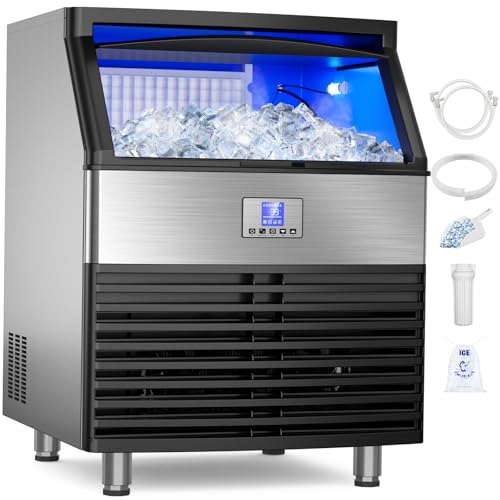
Commercial Ice Maker Machine 450LBS/24H, Under Counter Ice Machine, Upgrade Compressor 120LBS Storage Bin, Stainless Freestanding Commercial Ice Maker for Home Bar Cafe Office
Efficient Ice Produce: Commercial Ice Maker 450 LBS/24H can easily meet your daily ice cube needs. Commercial ice...
As an affiliate, we earn on qualifying purchases.
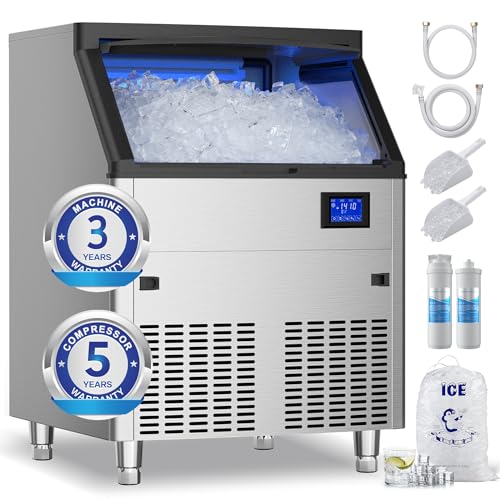
Coolake Commercial Ice Maker Machine 320lbs/24H with 120lbs Storage, Stainless Steel Under Counter Freestanding Ice Maker, Water Filter Reduce Scale up to 99% for Home Bar Restaurant, ETL Approval
Commercial Ice Machine with Impressive Speed: The undercounter ice maker provides unsurpassed performance, high-capacity ice production of up...
As an affiliate, we earn on qualifying purchases.