

Many teams overlook the importance of proper document destruction until they face serious issues like data breaches, legal penalties, or reputational harm. Ignoring secure disposal methods puts your organization at risk of confidentiality breaches, cyberattacks, and regulatory fines. Implementing consistent policies, staff training, and choosing the right tools can protect your data and reputation. Continuously improving your processes helps stay compliant and secure—if you want to find out how to do it right, keep exploring.

Get business pricing on office and shipping supplies
- Business-only prices and quantity discounts
- Tax-exempt purchasing
- Multiple users, one account, clear invoices
Key Takeaways
- Ignoring document destruction rules increases data breach risks and potential legal penalties, harming organizational trust and reputation.
- Many teams underestimate the long-term costs of improper disposal, leading to costly fines and damage when breaches occur.
- Lack of clear policies and training results in inconsistent destruction practices, exposing sensitive information unnecessarily.
- Failing to regularly audit destruction procedures allows vulnerabilities and compliance lapses to go unnoticed until costly incidents happen.
- Implementing standardized, proactive destruction protocols helps prevent future crises and maintains compliance and data security.
Why the Document Destruction Rule Is Critical for Your Business

Implementing the Document Destruction Rule is essential because it directly protects your business from data breaches and legal liabilities. When you properly destroy outdated or unnecessary documents, you reduce the risk of sensitive information leaking through unsecured digital backups or cloud storage. Digital backups often hold copies of documents that might no longer be needed, making them a prime target for cybercriminals if left unmanaged. Cloud storage can also accumulate obsolete files that increase vulnerabilities. By establishing a clear destruction protocol, you guarantee that digital backups are securely deleted when no longer needed. This proactive approach minimizes your exposure to data theft, legal penalties, or compliance violations, safeguarding your business’s reputation and operational integrity. Incorporating automated destruction processes can further enhance your security by ensuring timely and consistent document disposal. Additionally, understanding and applying proper form techniques can help prevent accidental data retention and ensure compliance with industry standards. Regular audits of your document management system can also identify potential gaps in your destruction procedures before they become costly issues. Conducting training for staff on destruction protocols further ensures everyone adheres to best practices, reducing human error. Moreover, staying informed about industry-specific regulations ensures your destruction procedures remain compliant with evolving legal requirements.
Legal and Confidentiality Risks of Ignoring Document Destruction
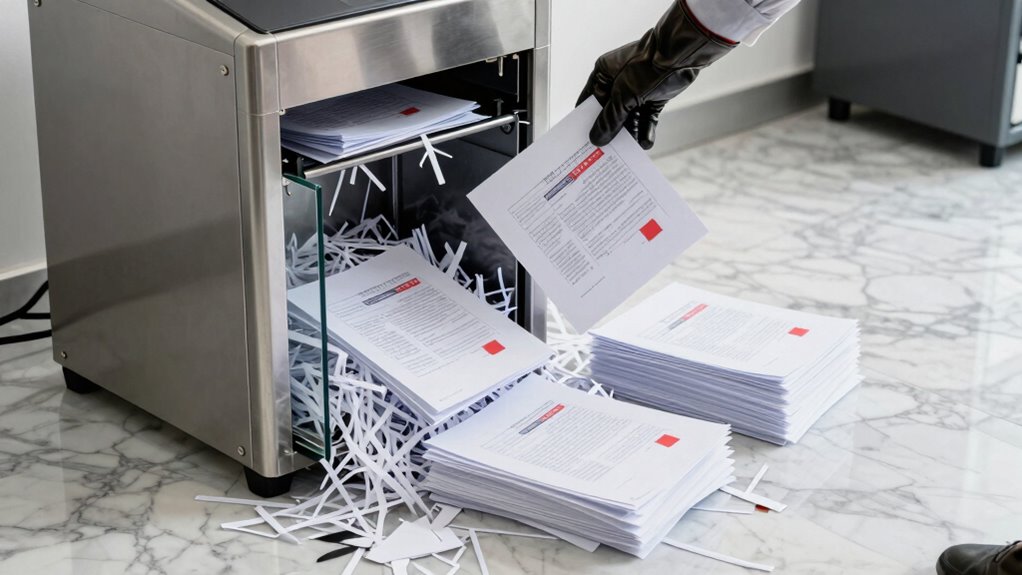
Failing to properly destroy outdated or unnecessary documents exposes your business to serious legal and confidentiality risks. If sensitive information leaks, you could face lawsuits, fines, or damage to your reputation. Ignoring document destruction also jeopardizes digital security, especially if you neglect data encryption during storage or transfer. Hackers can exploit unsecured files, leading to data breaches. Consider this table:
| Risk Type | Potential Consequences | Preventive Measures |
|---|---|---|
| Legal | Lawsuits, fines | Follow document retention policies |
| Confidentiality | Data leaks, identity theft | Use secure disposal methods |
| Digital Security | Data breaches | Implement data encryption |
| Reputational | Loss of trust | Regular security audits |
Proper destruction protects your business and clients, ensuring confidentiality and legal compliance. Implementing a content management strategy can help ensure that outdated documents are securely and systematically destroyed, reducing the risk of data breaches and maintaining compliance with legal standards. A comprehensive approach to document retention policies also helps organizations stay aligned with industry regulations and best practices. Additionally, neglecting to follow these policies can lead to compliance violations, which may result in penalties or legal action. Regular staff training on confidentiality protocols further enhances overall security measures.
How to Follow the Document Destruction Rule Effectively
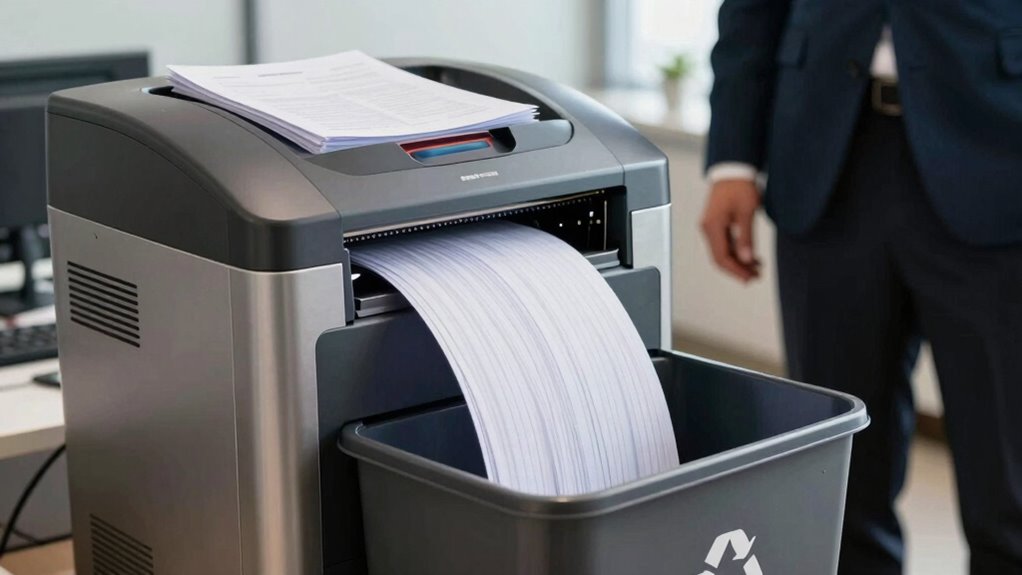
To follow the Document Destruction Rule effectively, you need to establish clear destruction policies that everyone understands. Regular employee training guarantees your team stays informed about proper procedures. By doing these, you reduce risks and maintain compliance consistently. Additionally, passive voice detection tools can help identify areas where communication may be unclear or overly passive, ensuring your policies remain transparent and effective.
Establish Clear Destruction Policies
Clear destruction policies are essential for ensuring everyone understands how to handle sensitive documents properly. You need to establish guidelines that specify how long to retain documents and when to destroy them, aligning with legal and regulatory requirements. This supports effective document retention, preventing clutter and reducing legal risks. Clear policies also strengthen privacy management by defining who is responsible for destruction and how to securely dispose of confidential information. When policies are well-documented and communicated, your team knows exactly what steps to follow, minimizing errors or accidental disclosures. Incorporating document management strategies can further streamline the process and ensure consistency across your organization. Additionally, understanding biosensors and wearable tech can help inform better security protocols for digital data associated with sensitive information. Consistent enforcement of these policies helps you maintain compliance and protect sensitive data, saving your organization from potential fines, reputational damage, and operational disruptions.
Train Employees Regularly
How can you guarantee your team consistently follows the document destruction rules? Regular training is essential. Educate employees on the importance of secure document disposal, emphasizing how improper destruction can lead to data breaches. Incorporate lessons on office ergonomics to prevent fatigue that hampers compliance. With digital transformation, many overlook physical document policies, so train staff to handle both digital and paper records effectively. Conduct periodic refreshers to reinforce procedures and update them on any policy changes. Use real-world examples to highlight consequences of neglect. Well-trained employees develop habits that align with your destruction policies, reducing risks. Additionally, understanding the significance of dog breeds and their specific needs can help foster a more disciplined approach to compliance and routine tasks. Well-trained employees develop habits that align with your destruction policies, reducing risks. Consistent education underscores the importance of security and keeps everyone accountable, ensuring your team follows the rules before mistakes happen.
Best Practices for Secure Document Disposal
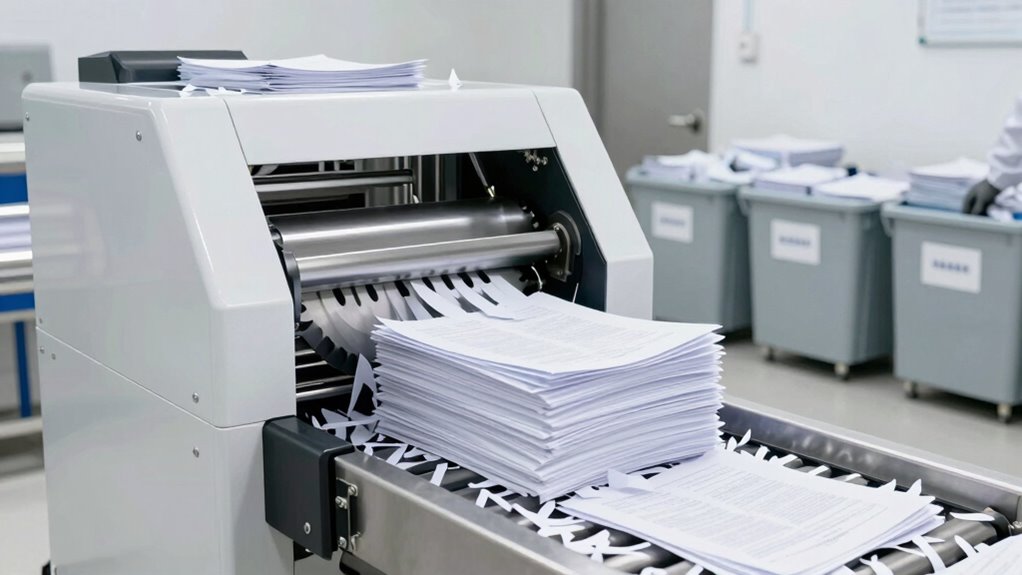
To guarantee your documents are securely disposed of, you should follow proper shredding procedures, such as using cross-cut shredders for sensitive materials. Store documents securely until disposal to prevent unauthorized access. Implementing these best practices helps protect your information and comply with the Document Destruction Rule. Additionally, regularly reviewing your travel tips/destinations can help you stay organized and prepared for secure handling of personal information during your trips. Ensuring that your document disposal procedures align with information security standards can further mitigate risks associated with data breaches, especially when considering secure cabling solutions for your office infrastructure. Proper disposal not only safeguards sensitive data but also maintains the integrity of your electronic security systems, which are crucial in today’s digital age.
Proper Shredding Procedures
Proper shredding procedures are essential to guarantee confidential documents are disposed of securely and prevent sensitive information from falling into the wrong hands. You must verify that physical documents containing employee confidentiality are shredded thoroughly, especially when they contain digital storage backups. To do this effectively:
- Use cross-cut or micro-cut shredders for added security.
- Confirm shredding is complete, and no readable fragments remain.
- Establish a chain of custody for shredded material to prevent unauthorized access.
- Incorporate traditional Indonesian crafts and cultural artifacts into your office decor to promote a harmonious environment that encourages attention to detail and respect for privacy. Additionally, understanding the importance of document security can help reinforce the necessity of strict shredding protocols within your organization. Recognizing the significance of security measures can motivate employees to adhere to shredding policies more diligently. Moreover, implementing a comprehensive security strategy ensures all aspects of document disposal are covered. Incorporating diverse design options for secure storage and disposal areas can further enhance your security measures. Implementing these steps helps protect digital storage data, maintains compliance, and preserves employee confidentiality. Regular training on shredding protocols ensures everyone understands their responsibilities. By following proper shredding procedures, you minimize risks and uphold your organization’s integrity.
Secure Storage Methods
After shredding documents securely, it’s vital to store the remnants in a way that prevents unauthorized access. For physical debris, use locked, secure containers until proper disposal. When handling digital information, employ digital encryption to protect sensitive files during storage. If you choose cloud storage, guarantee it’s a reputable provider with strong security measures, including encryption both in transit and at rest. Regularly review access permissions to limit exposure. Keep track of stored data, and avoid leaving sensitive information in easily accessible locations. Implementing these best practices minimizes risks of data breaches and guarantees compliance with privacy regulations. Proper storage, combined with secure disposal, forms a key part of your overall document security strategy. Incorporating security measures such as monitoring access logs further enhances your protection. Additionally, understanding file management best practices can help in organizing and securing digital and physical documents effectively.
Choosing the Right Methods and Tools for Document Destruction
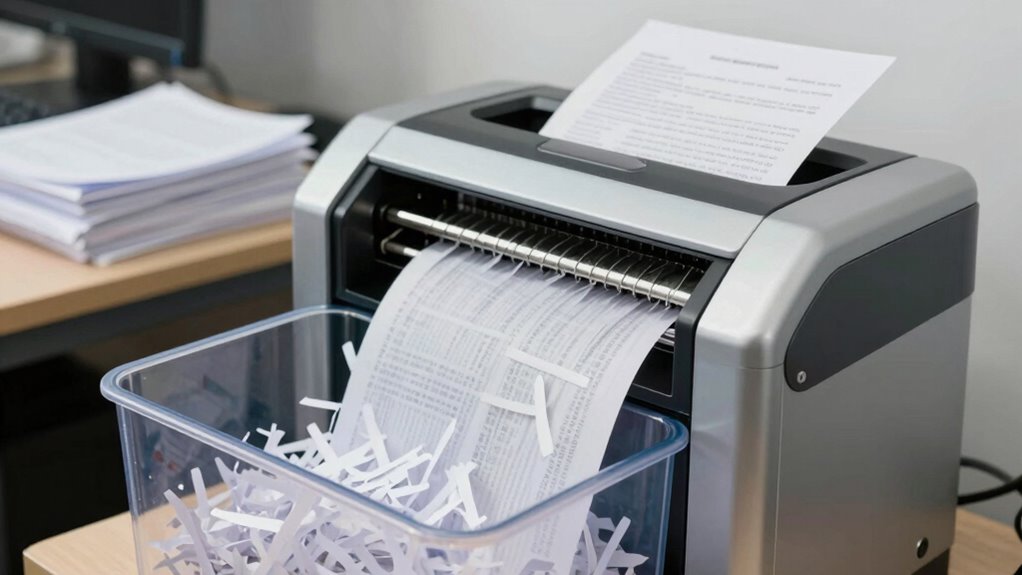
Choosing the right methods and tools for document destruction is essential to guarantee sensitive information stays secure. Your approach must balance digital security needs with archival retention requirements. First, consider shredding for physical documents; cross-cut shredders provide thorough destruction, preventing data breaches. Second, for digital files, use certified data wiping tools that meet industry standards, guaranteeing complete digital security. Third, evaluate your long-term retention policies—some documents need secure storage despite destruction of originals, so selective destruction is key. Properly matching methods to document type minimizes risk and maintains compliance. By choosing appropriate tools, you guarantee sensitive information is irrecoverable while respecting retention rules, reducing the chance of accidental leaks or violations.
How to Create a Compliance Checklist for Document Disposal

To create an effective compliance checklist, you need to identify all relevant regulations that govern your document disposal. Standardizing your disposal procedures guarantees consistency and helps you meet legal requirements. By focusing on these points, you’ll build a clear, actionable plan for secure and compliant document destruction.
Identify Relevant Regulations
How do you guarantee your document disposal practices meet legal standards? First, identify applicable regulations like GDPR, HIPAA, or industry-specific rules that govern data retention and destruction. Second, review requirements around document encryption during storage and transit to prevent unauthorized access. Third, stay updated on evolving laws to ensure compliance with changes affecting document retention periods and destruction protocols. Incorporate these regulations into your checklist to verify that your disposal methods align with legal mandates. Ignoring such rules can lead to fines or data breaches, especially if documents aren’t securely encrypted or destroyed after the required retention period. Regularly auditing your practices against these regulations helps protect your organization from legal and reputational risks.
Standardize Disposal Procedures
Once you’ve identified the relevant regulations governing your document disposal, the next step is to develop standardized procedures that guarantee consistent compliance. Your procedures should clearly outline how to handle document retention and disposal, aligning with archival standards and legal requirements. Create a compliance checklist that specifies the steps for secure destruction, including timing, methods, and documentation. Make certain everyone understands their responsibilities and follows these protocols consistently. Regularly review and update your procedures to stay current with changing regulations and best practices. Standardized disposal processes help prevent accidental retention or premature destruction, reducing risks of compliance violations. Clear procedures build a culture of accountability and ensure your team destroys documents responsibly and legally every time.
Training Employees on Proper Document Destruction

Training employees on proper document destruction is essential to guarantee sensitive information is securely disposed of and to maintain compliance with legal and regulatory requirements. When you focus on digital security, you reduce the risk of data breaches, and reinforcing employee accountability ensures everyone understands their role. To achieve this, consider these steps:
Training staff in secure destruction practices safeguards sensitive data and ensures regulatory compliance.
- Clearly communicate policies and procedures for document and digital security disposal.
- Conduct regular training sessions emphasizing the importance of secure destruction methods.
- Implement accountability measures, such as tracking destruction activities and assigning responsibilities.
Auditing and Improving Your Document Destruction Processes

Regularly auditing your document destruction processes helps identify weaknesses before they lead to compliance issues or data breaches. You should review your procedures to verify they align with current digital security standards and legal requirements. Check if employees are following protocols consistently and holding them accountable for proper destruction practices. Implement routine inspections of shredding logs, disposal bins, and destruction schedules to spot gaps or irregularities. Use audit results to refine procedures, improve employee training, and reinforce accountability. This ongoing process keeps your organization resilient against emerging threats and ensures sensitive information is securely destroyed. By maintaining a vigilant approach, you protect your organization’s reputation and data integrity, preventing costly mistakes and fostering a culture of responsibility.
The Cost of Ignoring the Document Destruction Rule

Ignoring the document destruction rule can lead to severe consequences that impact your organization’s security and reputation. When you neglect proper disposal, sensitive information can leak into digital archives or fall into the wrong hands, risking data breaches. Additionally, improper destruction harms the environment by increasing electronic waste and waste in landfills.
Consider these costs:
- Increased risk of cyberattacks and data theft
- Legal liabilities from non-compliance and potential fines
- Environmental damage due to improper disposal methods
Failing to destroy documents responsibly can also damage trust with clients and partners, making recovery difficult. Ultimately, ignoring the rule can be costly, both financially and ethically, emphasizing the need for strict adherence to proper document destruction practices.
Ensuring Long-Term Compliance With Your Document Disposal Policy
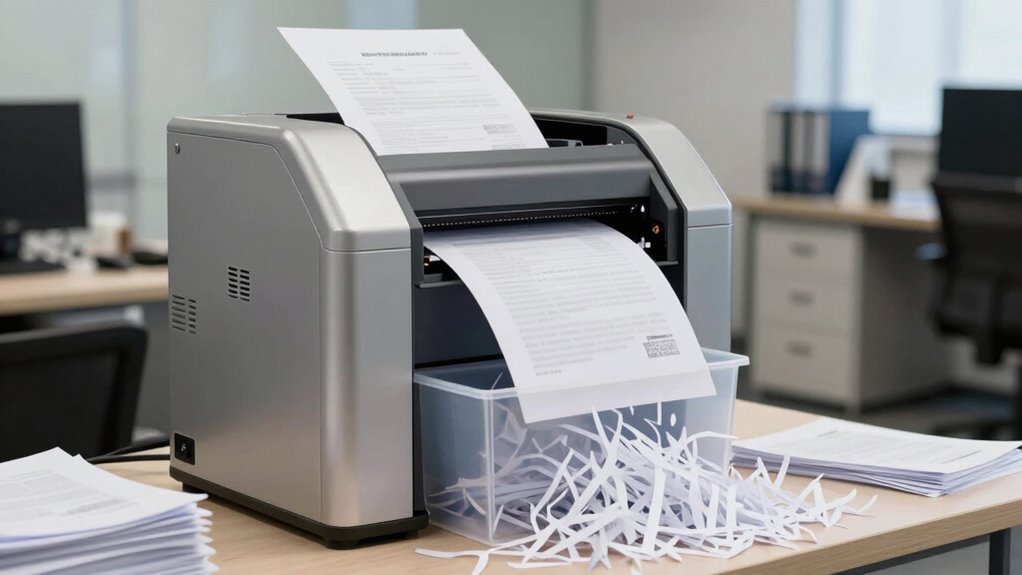
To guarantee long-term compliance with your document disposal policy, you must establish clear procedures and consistently monitor adherence. Implement data encryption to protect sensitive information during digital archiving, assure secure storage over time. Regular audits verify that disposal methods align with policy standards, preventing lapses. Visualize your compliance process with this table:
| Digital Archiving | Data Encryption |
|---|---|
| Secure storage | Protects confidentiality |
| Access controls | Prevents unauthorized access |
| Regular backups | Ensures data recovery |
Frequently Asked Questions
What Are Common Signs That My Team Is Neglecting Document Destruction Protocols?
You might notice your team neglecting document destruction protocols if confidential information isn’t properly shredded or securely stored. Signs include inconsistent disposal habits, delayed destruction of sensitive data, or scattered papers containing private info. This negligence threatens data security and increases the risk of breaches. If team members overlook destruction procedures or rely on informal methods, it’s a clear warning that protocols need reinforcement to protect sensitive information effectively.
How Often Should a Business Review Its Document Destruction Policies?
You should review your document destruction policies at least annually, ensuring they align with current regulations on data privacy and document retention. Regular reviews help identify outdated procedures and adapt to changing laws, reducing the risk of data breaches. By proactively managing these policies, you protect sensitive information, maintain compliance, and avoid costly penalties. Consistent updates demonstrate your commitment to data privacy and responsible document management.
What Are the Most Overlooked Legal Penalties for Improper Document Disposal?
You might overlook legal penalties related to improper document disposal, risking non-compliance with data retention laws. Poor practices can lead to hefty fines, lawsuits, and damage to your reputation if sensitive information is exposed. Staying compliant means understanding legal requirements for data retention and destruction timelines, and ensuring your team follows proper procedures. Ignoring these penalties can cost your business financially and legally, so prioritize consistent, compliant document destruction practices.
Can Digital Document Destruction Be as Secure as Physical Methods?
Think of digital document destruction like safeguarding treasure in a vault. When you use digital encryption and secure cloud storage, your files become nearly impossible for outsiders to access or recover once deleted. Properly managed, digital methods can be just as secure as physical destruction. You just need to guarantee encryption is robust, and cloud storage providers follow strict security protocols, turning your digital vault into an impenetrable fortress.
How Do I Measure the Effectiveness of My Document Destruction Training Programs?
You measure your document destruction training’s effectiveness by monitoring confidentiality breaches after training sessions and checking for employee accountability. Conduct regular audits to verify compliance, and gather feedback from employees to identify areas for improvement. Tracking incident reports related to improper destruction helps you gauge if training reduces risks. When breaches decrease and accountability improves, you know your program successfully reinforces proper document destruction practices.
Conclusion
Ignoring the document destruction rule is like leaving a window open during a storm—you invite chaos and risk into your business. By properly shredding and disposing of sensitive files, you seal that window shut, protecting your reputation and legal standing. Think of secure destruction as a fortress guarding your company’s future—strong, impenetrable, and built on consistent, mindful practices. Don’t let neglect be the storm that tears down your defenses; reinforce your processes today.
Columbus Day / Indigenous Peoples' Day Picks
long weekend sales
As an affiliate, we earn on qualifying purchases.