
TL;DR

Get business pricing on office and shipping supplies
- Business-only prices and quantity discounts
- Tax-exempt purchasing
- Multiple users, one account, clear invoices
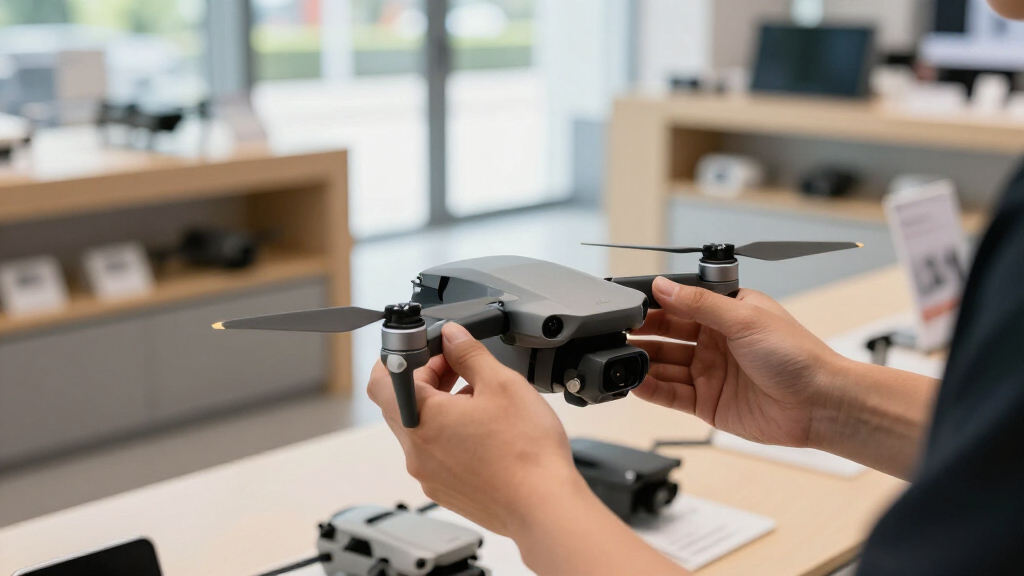
Former President Donald Trump has announced tariffs of up to 100% on drone imports, citing national security concerns related to China. The move aims to limit China’s access to advanced drone technology and reshape trade relations. The policy is set to take effect soon, but details on implementation and international response remain uncertain.
Former President Donald Trump announced a new trade policy imposing tariffs of up to 100% on drones imported from China. The move aims to curb China’s technological influence and protect U.S. national security interests, marking a significant escalation in trade tensions.
According to the official statement from the Trump administration, the tariffs target a broad range of drone products, citing concerns over their potential use in military and surveillance applications by China. The tariffs, which could reach as high as 100%, are expected to be implemented within weeks. Officials argue that this measure is necessary to limit China’s access to advanced drone technology and to bolster domestic manufacturing. The decision follows ongoing discussions about China’s role in global technology supply chains and security risks associated with Chinese-made drones. Industry experts note that this move could significantly impact drone imports and the broader U.S.-China trade relationship, though the precise scope and affected products are still being clarified by authorities.Implications for U.S.-China Tech and Trade Relations
This decision signals a toughening of U.S. trade policy towards China, emphasizing national security concerns over economic openness. It could lead to increased tensions between the two countries and influence global supply chains. For the drone industry, the tariffs may restrict access to Chinese-made technology, potentially driving innovation and manufacturing domestically but also raising costs and supply chain disruptions. The move underscores ongoing efforts by the U.S. government to limit China’s technological advancements and protect strategic industries.
As an affiliate, we earn on qualifying purchases.
Background on U.S.-China Drone and Trade Tensions
Over the past few years, the U.S. has taken steps to restrict Chinese access to advanced technology, citing security risks. Previous measures included bans on Chinese technology firms like Huawei and restrictions on semiconductor exports. Drones, which have both commercial and military applications, have become a focal point amid concerns over espionage and military use. The Trump administration has previously emphasized strengthening domestic manufacturing and reducing reliance on Chinese technology. This latest tariff announcement builds on these policies, reflecting a broader strategy to contain China’s technological growth and influence.
“These tariffs are a necessary step to protect American security interests and ensure our technological sovereignty.”
— White House spokesperson
Unclear Details on Implementation and International Response
It is not yet confirmed which specific drone models or manufacturers will be affected, nor how China will respond to these tariffs. The exact timeline for enforcement remains unclear, and international trade partners have yet to publicly comment. Additionally, the broader impact on global drone markets and U.S.-China relations is still developing, with potential retaliatory measures from China still unknown.
Next Steps: Monitoring Implementation and Diplomatic Reactions
The tariffs are expected to be enforced within the coming weeks. U.S. officials will likely clarify the scope and affected products soon. Meanwhile, China may consider retaliatory actions, which could escalate trade tensions. Industry groups and international partners will be watching closely for further policy details and responses, as the move could influence global supply chains and diplomatic relations.
Key Questions
What types of drones will be affected by the tariffs?
The specific models and manufacturers have not yet been publicly detailed, but the tariffs are aimed at a broad range of Chinese-made drones used in commercial and military contexts.
Why did Trump decide to impose these tariffs now?
The move is part of a broader strategy to limit China’s technological influence and address national security concerns related to Chinese drone technology.
How will these tariffs impact the drone industry in the U.S.?
The tariffs could reduce Chinese drone imports, potentially increasing costs for U.S. consumers and encouraging domestic manufacturing, but may also cause supply chain disruptions.
What might be China’s response to these tariffs?
While not yet confirmed, China could consider retaliatory tariffs or restrictions on U.S. technology exports, which could escalate trade tensions.
Source: rss
Fall Picks
fall essentials
As an affiliate, we earn on qualifying purchases.