TL;DR

Get business pricing on office and shipping supplies
- Business-only prices and quantity discounts
- Tax-exempt purchasing
- Multiple users, one account, clear invoices
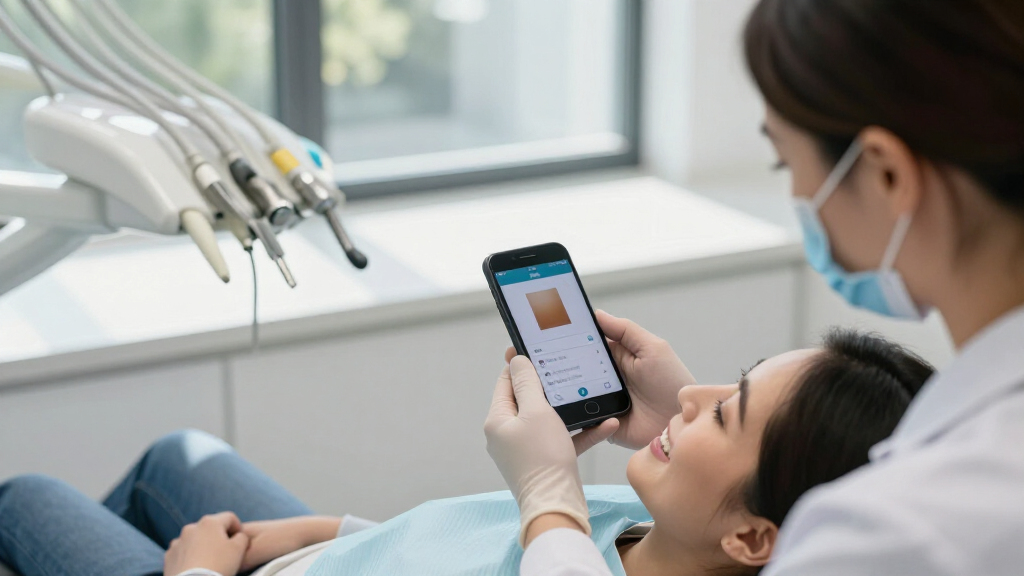
Researchers are developing a phone-camera-based shade scoring system for home teeth whitening. This innovation aims to provide objective measurement, reducing guesswork for consumers. Validation against dental standards is underway.
Researchers are testing a new phone-camera-based shade scoring system for home teeth whitening, aiming to provide consumers with an objective measure of their whitening progress. This innovation could transform the way users track their results, moving away from subjective visual assessments to data-driven insights. The development is driven by the need for more accurate, accessible tools in the rapidly growing consumer oral-care market.
The proposed system uses guided-lighting and smartphone cameras to capture images of teeth, which are then analyzed against a calibrated dental shade scale. The goal is to create an app that can track tooth shade changes over time, plot progress, and recommend products based on individual results. According to an anonymous researcher involved in the project, initial testing involves benchmarking the app’s shade scores against dentist-standard VITA readings across fifty users. Early results suggest a strong correlation, which could validate the app as a reliable measurement tool.
Developers plan to incorporate features that display weekly progress, identify which products effectively whiten teeth, and suggest next steps based on user-specific data. Revenue models include subscriptions and affiliate marketing, with potential for partnerships with whitening product brands. The core challenge remains ensuring the accuracy and consistency of shade readings across different lighting conditions and camera qualities, which is why validation against dental standards is critical before wider rollout.
Impact on Consumer Teeth Whitening Accuracy
This development could significantly improve the accuracy of home teeth whitening, reducing consumer guesswork and dissatisfaction. By providing objective, measurable results, users can better understand which products work for them, potentially decreasing the trial-and-error cycle that often involves spending hundreds on ineffective treatments. For the industry, this technology offers a new layer of data that could enhance product development, marketing, and personalized treatment plans, ultimately elevating the quality of at-home dental care.
As an affiliate, we earn on qualifying purchases.
Growing Demand for Objective Home Whitening Tools
The global market for consumer oral care and beauty tech continues to expand, driven by increasing consumer interest in self-care and aesthetic improvements. Historically, home whitening results have relied on subjective visual assessments, which can be unreliable. Dentists use calibrated shade guides like VITA to measure tooth color, but such tools are impractical for everyday consumer use. Recent advances in smartphone camera technology and guided lighting have made it feasible to bring professional-grade measurement into the home setting. This trend aligns with broader shifts toward digital health tools that empower consumers with data and control over their treatments.
Previous attempts at at-home shade measurement have lacked accuracy or consistency, but ongoing research suggests that with proper calibration and validation, phone-camera-based systems can approximate dental standards. The current project aims to bridge this gap, leveraging accessible technology to enhance the effectiveness and satisfaction of home whitening routines.
“Initial testing shows a promising correlation between app scores and dentist-standard VITA readings, indicating potential for reliable at-home measurement.”
— an anonymous researcher
Validation and Accuracy of Phone-Based Shade Scores
While initial results are promising, it remains unclear how consistently the app can deliver accurate readings across different devices, lighting environments, and user techniques. Further testing with larger and more diverse user groups is needed to confirm the reliability of the system before commercial deployment.
Next Steps in Development and Validation
The project team plans to complete larger-scale validation studies, comparing app scores against dental standards across diverse populations. They aim to refine the guided-lighting process, improve calibration algorithms, and develop user-friendly interfaces. Pending successful validation, a beta release for consumer testing could occur within the next year, with commercial availability possibly following shortly after. Ongoing collaboration with dental professionals and product manufacturers will be critical to ensure clinical relevance and market readiness.
Key Questions
How accurate is the phone-camera shade scoring system?
Initial testing shows a strong correlation with dentist-standard VITA readings, but further validation is needed to confirm accuracy across various devices and lighting conditions.
Can this app replace professional dental shade assessments?
Currently, it is designed as a supplementary tool for consumers to track their whitening progress at home, not a replacement for professional evaluations.
When will the app be available to consumers?
A beta version may be available within the next year, with full commercial release depending on validation outcomes and regulatory considerations.
Will the app recommend specific whitening products?
Yes, the app aims to analyze which products effectively change tooth shade and suggest options based on user-specific data and progress.
What are the main challenges in developing this technology?
Ensuring consistent, accurate shade readings across different devices and lighting environments remains a key technical challenge.
Source: IdeaNavigator AI
Columbus Day / Indigenous Peoples' Day Picks
long weekend sales
As an affiliate, we earn on qualifying purchases.