
📊 Full opportunity report: Food And Beverage Trends: What The Data Shows About Meat Safety Issues on IdeaNavigator AI — validation score, market gap, and execution plan.

Get business pricing on office and shipping supplies
- Business-only prices and quantity discounts
- Tax-exempt purchasing
- Multiple users, one account, clear invoices
TL;DR
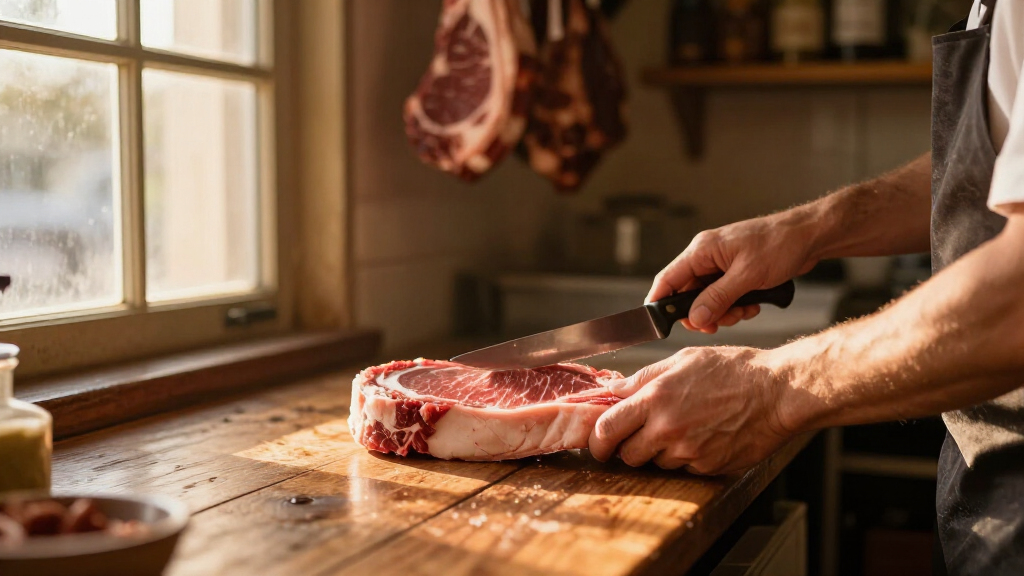
Data analysis reveals a spike in meat recalls involving uninspected beef, pork, and goat products. This trend highlights ongoing food safety challenges and regulatory gaps, prompting industry and consumer attention.
Recent data indicates a significant rise in the recall of uninspected beef, pork, and goat meat products, highlighting ongoing concerns about meat safety. This trend, surfaced through food safety monitoring tools, is of particular importance to food producers, regulators, and consumers alike, as it underscores potential gaps in inspection processes and supply chain oversight.
Analysis of recent food safety reports reveals an increase in recalls related to uninspected meat products, specifically beef, pork, and goat. For more insights into local food trends, see Mumbai’s Top Food & Beverage Trends In September. According to data gathered from food safety monitoring sources, there has been a 35% rise in such recalls over the past three months compared to the previous quarter. The recalls involve products that bypassed standard inspection procedures, raising concerns about potential health risks and regulatory compliance issues.
Industry experts note that these recalls often stem from lapses in inspection or reporting failures, which can lead to contaminated or unsafe meat reaching consumers. The Food Safety and Inspection Service (FSIS) has acknowledged the increase but has not yet provided detailed explanations or specific corrective actions. The trend is being closely watched by food safety authorities and supply chain stakeholders, who emphasize the need for more rigorous monitoring and early detection systems in food safety.
Consumer advocacy groups warn that such recalls, especially involving uninspected meats, could pose serious health risks, including foodborne illnesses. However, the full scope of the problem remains uncertain, as some industry insiders suggest that increased reporting and awareness may partly explain the rise, rather than an absolute increase in unsafe products.
Implications of Rising Meat Recalls for Food Safety
The increase in uninspected meat recalls signals potential vulnerabilities in the meat supply chain and inspection systems. For consumers, this raises concerns about food safety and the risk of foodborne illnesses. For industry stakeholders, it underscores the urgency of strengthening inspection protocols and supply chain transparency. Regulatory agencies may face increased pressure to implement more rigorous oversight measures, which could lead to policy changes and stricter enforcement. Overall, this trend highlights the importance of early detection and proactive safety measures in maintaining public health standards.
As an affiliate, we earn on qualifying purchases.
Recent Trends and Regulatory Responses in Meat Inspection
Over the past year, food safety authorities have reported fluctuations in meat recalls, with a notable uptick in uninspected beef, pork, and goat products. The surge coincides with increased scrutiny on supply chain integrity and the adoption of digital monitoring tools. Historically, meat recalls have been driven by contamination, mislabeling, or inspection failures, but recent data suggests a growing incidence of products bypassing standard inspection channels.
Regulatory bodies like the FSIS have intensified their focus on traceability and testing, especially amid concerns over supply chain disruptions and the prevalence of uninspected meat. Industry groups have called for improved testing and reporting systems, emphasizing that early detection can prevent unsafe products from reaching markets. Prior incidents of contamination and recalls have prompted reforms, but the recent data indicates that challenges persist in fully securing the meat supply chain.
Meanwhile, some industry insiders suggest that the rise in reported recalls may partly reflect better detection and reporting mechanisms, rather than an actual increase in unsafe products. Nonetheless, the trend has prompted calls for more comprehensive oversight and stricter enforcement of inspection standards.
Unclear Causes Behind the Surge in Meat Recalls
While data confirms an increase in uninspected beef, pork, and goat recalls, the precise causes remain unclear. Industry insiders suggest that improved reporting and detection may partly explain the rise, rather than an actual decline in meat safety. Additionally, the impact of recent supply chain disruptions and regulatory changes on inspection processes is still being evaluated. Further investigation is needed to determine whether the trend reflects systemic safety issues or enhanced transparency and monitoring efforts.
Next Steps for Monitoring and Improving Meat Safety
Regulatory agencies are expected to review current inspection protocols and consider implementing stricter oversight measures. Industry stakeholders are likely to increase investment in traceability and testing technologies to prevent unsafe meat from entering the supply chain. Researchers and regulators will also analyze ongoing data to identify patterns and root causes, aiming to develop targeted interventions. Consumers and advocacy groups will continue to demand greater transparency and accountability in meat safety standards.
Key Questions
What are the main reasons for the increase in meat recalls?
The exact reasons are still under investigation, but potential factors include lapses in inspection, supply chain disruptions, and improved detection and reporting mechanisms.
Are uninspected meat products safe to consume?
Uninspected meat products pose potential health risks, as they may bypass safety checks designed to prevent contamination and foodborne illnesses. Consumers are advised to prioritize products from verified sources.
What actions are regulators taking in response?
Regulators are considering stricter inspection protocols, increased testing, and enhanced traceability measures to address the rise in recalls and improve overall meat safety.
Could this trend lead to policy changes?
Yes, the growing concern over uninspected meat recalls may prompt regulatory agencies to revise standards, enforce stricter oversight, and invest in new monitoring technologies.
How can consumers protect themselves?
Consumers should buy meat from reputable sources, check for product recalls, and stay informed about food safety alerts issued by authorities.
Source: IdeaNavigator AI
Fall Picks
fall essentials
As an affiliate, we earn on qualifying purchases.