For 2026, I recommend considering the iseevy HDMI Video Encoder for versatile input options, the Stream Master SDI Switcher for professional multi-camera setups, and the AVMATRIX Portable 6-Channel Switcher for mobility and ease of use. These options support high-quality resolutions, multiple streaming protocols, and customization features that elevate virtual event production. To find out more about how these encoders can meet your needs, keep exploring their features and benefits.
Key Takeaways
- Look for encoders supporting 4K/1080p at 60fps with versatile input options like HDMI, SDI, and USB.
- Prioritize models with multi-protocol compatibility (RTMP, RTSP, SRT, HLS) for seamless multi-platform streaming.
- Choose encoders featuring customizable overlays, logos, and dynamic graphics to enhance production quality.
- Consider portable, easy-to-set-up units with built-in batteries and remote management capabilities.
- Opt for professional-grade features like multi-camera support, virtual studio effects, and real-time multi-view monitoring.
| iseevy HDMI Video Encoder with Streaming Protocols | 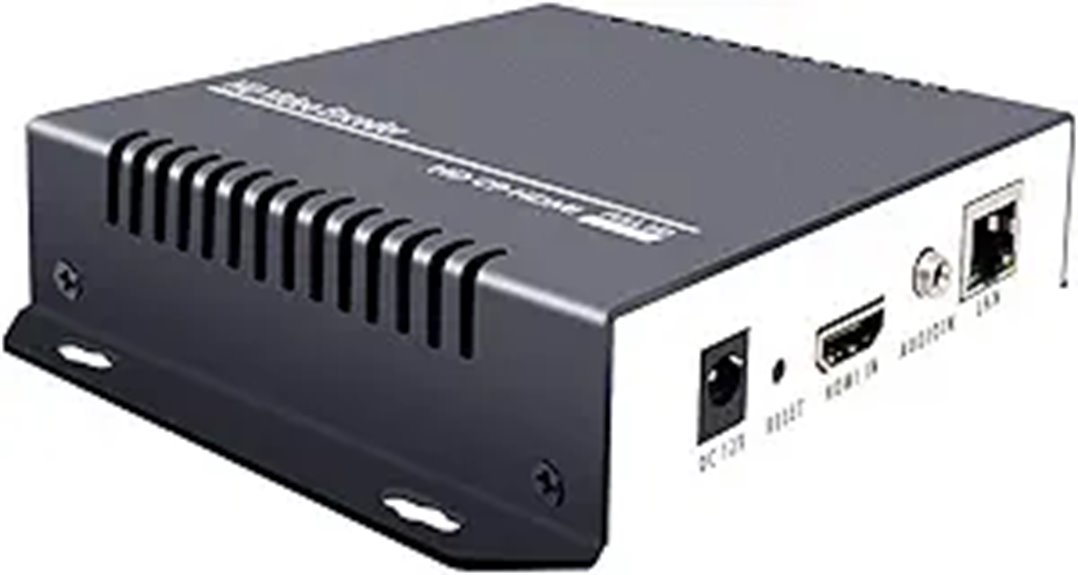 | Versatile Streaming Power | Video Inputs: HDMI up to 1920×1080@60fps | Streaming Protocols: SRT, RTSP, RTMP, HLS, others | Output Capabilities: Up to 4 streams, webpage configuration | VIEW LATEST PRICE | See Our Full Breakdown |
| Stream Master SDI Video Switcher with 4 Inputs |  | Professional Live Production | Video Inputs: 4 HDMI, 4 SDI, VGA/DVI, USB | Streaming Protocols: RTMPS, HTTP, HLS, others | Output Capabilities: 1 PGM + 1 AUX, multi-destination RTMPS | VIEW LATEST PRICE | See Our Full Breakdown |
| AVMATRIX 15.6″ Portable 6-Channel Streaming Switcher | 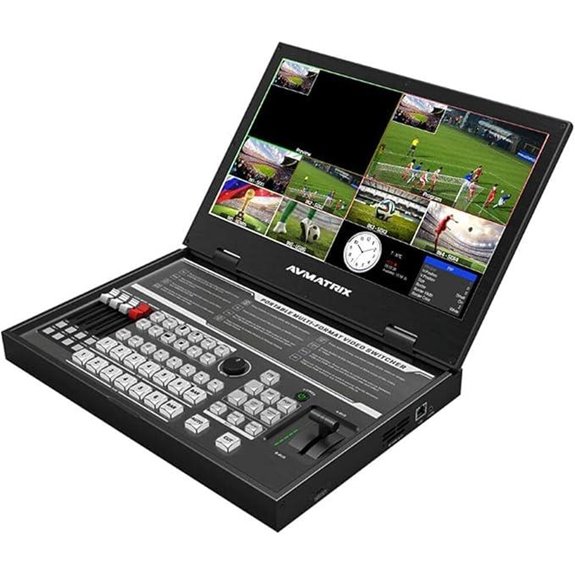 | Portable Multi-Format Switcher | Video Inputs: 4 SDI, 2 HDMI, 2 VGA/DVI, 2 USB | Streaming Protocols: Not specified, supports live streaming | Output Capabilities: Program out via PGM, compatible with encoder | VIEW LATEST PRICE | See Our Full Breakdown |
More Details on Our Top Picks
iseevy HDMI Video Encoder with Streaming Protocols
If you’re looking for a reliable encoder that simplifies live streaming across multiple platforms, the iseevy HDMI Video Encoder with Streaming Protocols is an excellent choice. It supports HDMI input up to 1920×1080 at 60fps and outputs in high-quality formats like H.264/AVC and MJPEG. With compatibility for protocols such as RTMP, RTSP, SRT, and HLS, it streams seamlessly to platforms like YouTube, Facebook, and Twitch. The encoder can handle up to four streams simultaneously, making multi-platform broadcasting easy. Its intuitive webpage interface allows quick setup and customization, including adding logos, text, or timestamps for branding.
- Video Inputs:HDMI up to 1920×1080@60fps
- Streaming Protocols:SRT, RTSP, RTMP, HLS, others
- Output Capabilities:Up to 4 streams, webpage configuration
- User Interface:Webpage setup and control
- Streaming Platforms:YouTube, Facebook, Twitch, etc.
- Customization Features:Text overlays, logos, timestamps
- Additional Feature:Supports multi-stream output
- Additional Feature:Custom branding options (logos, text)
- Additional Feature:Webpage-based configuration
Stream Master SDI Video Switcher with 4 Inputs
The Stream Master SDI Video Switcher with 4 Inputs stands out for its flexible connectivity options, making it ideal for professional virtual event producers who need seamless multi-camera integration. It features four HDMI and four SDI inputs, supporting 4K visuals via HDMI 1 and HDMI 2. The 10-inch gamma screen ensures precise color monitoring, while the Meeting Mode displays four streams simultaneously. With multiple output ports—including program and auxiliary outputs, USB, network, and media library access—it offers extensive control. Its real-time streaming capabilities, support for PIP layouts, PTZ camera control, and virtual studio effects make it a versatile, all-in-one solution for high-quality live broadcasts.
- Video Inputs:4 HDMI, 4 SDI, VGA/DVI, USB
- Streaming Protocols:RTMPS, HTTP, HLS, others
- Output Capabilities:1 PGM + 1 AUX, multi-destination RTMPS
- User Interface:Web-based interface, remote management
- Streaming Platforms:Supports live streaming via RTMPS, multiple destinations
- Customization Features:PIP, transition effects, chroma/luma keying
- Additional Feature:Built-in PTZ camera control
- Additional Feature:Tally function support
- Additional Feature:Supports multi-view layout
AVMATRIX 15.6″ Portable 6-Channel Streaming Switcher
For professionals who need a portable yet versatile solution, the AVMATRIX 15.6″ Portable 6-Channel Streaming Switcher stands out by offering seamless multi-format switching in a compact design. I appreciate its all-in-one setup, supporting up to six inputs—including SDI, HDMI, VGA/DVI, and USB—that auto-detect and handle up to 4K60 video with embedded audio. Its built-in FHD LCD monitor makes operation straightforward, while features like multi-view layout, PIP, and POP options enhance production flexibility. The switcher’s smooth T-Bar handover and compatibility with Kiloview E2 for streaming make it perfect for on-the-go live events, delivering professional-quality results everywhere I need.
- Video Inputs:4 SDI, 2 HDMI, 2 VGA/DVI, 2 USB
- Streaming Protocols:Not specified, supports live streaming
- Output Capabilities:Program out via PGM, compatible with encoder
- User Interface:Built-in LCD, portable touch interface
- Streaming Platforms:Compatible with live streaming setups, encoder integration
- Customization Features:Multi-view layout, PIP/POP, transitions
- Additional Feature:Integrated FHD LCD monitor
- Additional Feature:Supports 4K60 switching
- Additional Feature:Portable, compact design
Factors to Consider When Choosing Streaming Encoders for Virtual Events
When selecting a streaming encoder, I focus on factors like video quality support and connectivity options to guarantee smooth broadcasts. It’s also important to take into account compatibility with streaming protocols and how easy the user interface is to operate. Additionally, portability and setup simplicity can make a big difference for virtual events on the go.
Video Quality Support
Choosing a streaming encoder with strong video quality support is vital to delivering professional virtual events. I look for encoders that support high-definition resolutions like 1080p or 4K, ensuring my streams look sharp and polished. It’s also important that they support standard video formats such as H.264/AVC and MJPEG, which offer efficient compression without sacrificing quality. For fast-paced content, I prefer encoders capable of handling at least 60fps, providing smooth motion that keeps viewers engaged. Compatibility with multiple input sources like HDMI, SDI, or VGA is essential for flexibility across different devices. Ultimately, I verify that the encoder can handle various audio formats and maintain synchronized audio-video transmission, ensuring a seamless multimedia experience for my audience.
Connectivity Options Flexibility
The ability of a streaming encoder to support multiple connectivity options considerably impacts the flexibility and reliability of virtual event broadcasts. I look for encoders that offer various input interfaces like HDMI, SDI, VGA, and USB to connect different source devices effortlessly. Flexibility in network protocols, such as RTMP, RTSP, SRT, and HLS, ensures smooth integration with diverse streaming platforms. The capability to output multiple streams simultaneously allows me to reach different audiences with tailored content, boosting engagement. Supporting high-resolution inputs and outputs up to 4K guarantees professional quality, compatible with high-end cameras. Additionally, features like customizable overlays, logos, and text through adaptable input/output options help me maintain consistent branding and presentation quality across all streams.
Streaming Protocol Compatibility
Supporting multiple streaming protocols is essential to guarantee your virtual events reach a wide audience across various platforms. When choosing a streaming encoder, I look for support of popular protocols like RTMP, RTSP, HLS, and MPEG-DASH to ensure broad compatibility. It’s also imperative that the encoder can handle multiple protocols simultaneously, so I can broadcast across multiple platforms without extra conversions. Security matters, so I verify support for secure protocols like RTMPS and SRT to protect my content. Future-proofing is key too; I prefer encoders that can adapt to emerging protocols or updates, maintaining flexibility long-term. Finally, low-latency protocols like SRT and RTMP are essential for real-time viewer engagement, making the streaming as seamless and interactive as possible.
User Interface Ease
A user-friendly interface is essential because it allows me to set up and adjust streaming settings quickly, even during live events. Intuitive controls and clear menus help me avoid mistakes, ensuring a smooth broadcast. Visual feedback and real-time status updates let me monitor the stream and troubleshoot issues on the fly, saving valuable time. Customizable dashboards are a huge plus, letting me access frequently used functions without hassle. Web-based management interfaces add flexibility, enabling remote control from anywhere, which is especially useful during complex productions. Overall, an intuitive interface reduces the learning curve, streamlines operation, and boosts confidence, making it easier to focus on delivering a high-quality virtual event without getting bogged down in complicated controls.
Portability and Setup
When choosing a streaming encoder for virtual events, portability and setup ease are crucial factors that can make or break the experience. A lightweight, compact encoder simplifies transportation and quick deployment, especially for on-the-go events. An intuitive user interface or touchscreen streamlines configuration, reducing setup time and minimizing errors. Compatibility with multiple input sources like HDMI, SDI, VGA, and USB offers flexibility, allowing me to connect various devices seamlessly. Built-in batteries or external power options ensure reliable operation even during power fluctuations, enhancing portability. Quick-connect features such as wireless control or remote management enable me to make adjustments from different locations efficiently. Overall, a portable encoder with straightforward setup capabilities ensures a smooth, hassle-free streaming experience, no matter where the event takes place.
Customization Features
Customization features play a vital role in creating a polished and engaging virtual event. They allow me to add static or scrolling text, logos, and timestamps that boost branding and provide viewers with important information. Overlaying graphics directly onto the video stream gives a more professional, personalized feel to the broadcast. Dynamic overlays are especially useful for real-time updates, like scores or announcements, keeping viewers engaged. A user-friendly interface makes configuring these options straightforward, ensuring consistent branding across multiple streams. Advanced customization options, such as adjustable layouts, PIP effects, and cropping, give me flexibility to tailor the production style to the event’s needs. Overall, strong customization features help elevate the quality and professionalism of virtual events, making them more memorable and engaging for viewers.
Frequently Asked Questions
How Do Streaming Encoders Impact Overall Virtual Event Production Quality?
Streaming encoders markedly boost overall virtual event quality by ensuring clear, smooth, and professional visuals and audio. I’ve seen how high-quality encoders reduce lag, prevent buffering, and deliver consistent streams, which keeps audiences engaged. They allow me to customize settings for different content types, making the experience more dynamic. In short, good encoders are critical for delivering a seamless, polished virtual event that leaves a positive impression.
What Are the Latest Trends Shaping Streaming Encoder Technology in 2026?
In 2026, streaming encoder tech is all about AI-powered features, low latency, and seamless integration with cloud platforms. I know some worry about complexity, but these advancements actually facilitate setup and improve quality. Real-time analytics and adaptive streaming ensure viewers get the best experience, no matter their device or connection. I’ve found that embracing these trends makes virtual events more engaging and professional, boosting audience satisfaction effortlessly.
Can Streaming Encoders Integrate With Emerging Virtual Reality Platforms?
Yes, streaming encoders now seamlessly integrate with emerging virtual reality platforms. I’ve seen how they enable immersive experiences by transmitting high-quality 360-degree videos that VR headsets can easily access. This integration allows for real-time interaction and a more engaging virtual environment. I believe as VR technology advances, streaming encoders will become even more optimized, making virtual events more immersive and accessible for everyone.
How Do Security Features Vary Among Different Streaming Encoders?
Imagine a vault protecting your valuables; that’s how security features differ among streaming encoders. Some offer basic encryption, like a simple lock, while others provide advanced measures like end-to-end encryption and multi-factor authentication. I’ve seen encoders with built-in firewalls that prevent hacking attempts, ensuring your content stays safe. The level of security varies widely, so I always recommend choosing one that matches the sensitivity of your virtual event.
What Is the Typical Learning Curve for New Users of Advanced Streaming Encoders?
I find that the learning curve for advanced streaming encoders can be quite steep at first. It takes some time to get comfortable with their features and settings, especially if you’re new to streaming technology. However, most encoders offer tutorials and user-friendly interfaces that help speed up the process. With patience and practice, I’ve seen users become proficient in just a few days to a couple of weeks.
Conclusion
Choosing the right streaming encoder is like finding the perfect brush for a masterpiece—it brings your vision to life seamlessly. Whether you prefer the sleek precision of the Iseevy HDMI, the versatility of the Stream Master SDI, or the portability of the AVMATRIX switcher, each has its own rhythm. When you pick the right tool, your virtual event flows like a well-orchestrated symphony, enthralling your audience and leaving a lasting impression.