TL;DR
The Federal Communications Commission (FCC) has announced a scheduled vote on rules to auction 160MHz of upper C-band spectrum. This move aims to allocate spectrum for 5G services, with potential implications for telecom providers and consumers. The vote is a key step in spectrum management and 5G expansion plans.
The Federal Communications Commission (FCC) has announced it will hold a vote on new rules to auction 160MHz of upper C-band spectrum. This development is a significant step toward reallocating spectrum resources to support 5G network expansion across the United States, affecting telecom operators, consumers, and industry stakeholders.
The FCC’s upcoming vote will determine the rules for auctioning a specific portion of the upper C-band spectrum, which encompasses frequencies around 3.7 to 4.2 GHz. The agency aims to allocate this spectrum to facilitate faster and more reliable 5G services nationwide.
According to FCC officials, the auction will involve 160MHz of spectrum, a portion of which is currently used for satellite communications. The FCC intends to implement safeguards to minimize interference with existing satellite services while maximizing spectrum availability for 5G providers.
Sources close to the matter indicate that the auction could generate significant revenue, with estimates suggesting billions of dollars in bids. The rules for participation, bidding procedures, and interference mitigation measures are still under discussion but are expected to be finalized before the vote.
Implications for 5G Deployment and Spectrum Policy
This vote is a critical step in the ongoing process of spectrum reallocation to support 5G infrastructure. Successfully auctioning 160MHz of upper C-band spectrum could accelerate nationwide 5G deployment, improve network capacity, and enhance services for consumers and businesses. It also signals the FCC’s commitment to optimizing spectrum resources in a rapidly evolving telecommunications landscape.
Industry analysts suggest that the auction could influence market dynamics, competitive positioning among telecom providers, and future spectrum policy decisions. However, the outcome of the vote and the specifics of the auction rules will shape how quickly and effectively the spectrum is utilized.
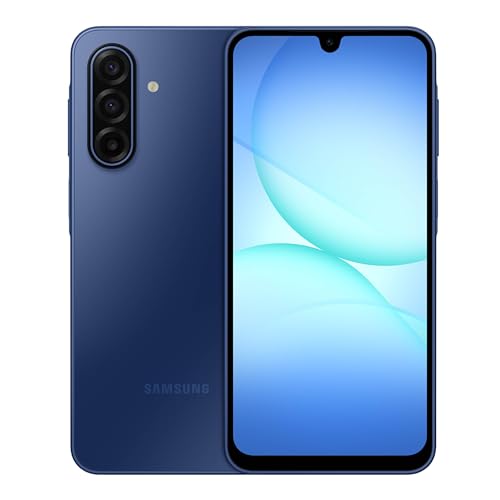
Samsung Galaxy A17 5G Smart Phone 128GB, US 1 Yr Manufacturer Warranty Blue
- Display Size: 6.7-inch FHD+ Super AMOLED
- Fast Charging: Super Fast Charging capability
- Camera System: Triple-lens camera for versatile shots
As an affiliate, we earn on qualifying purchases.
As an affiliate, we earn on qualifying purchases.
Background on Spectrum Auctions and 5G Goals
The FCC has been gradually reallocating spectrum for 5G use over the past few years, including the auction of mid-band frequencies like the C-band in 2020. The upper C-band spectrum, in particular, has been identified as a key resource for expanding 5G capacity due to its favorable balance of coverage and speed.
Previous spectrum auctions have generated substantial revenue and driven rapid deployment of 5G networks. The current proposal to auction an additional 160MHz of upper C-band spectrum continues this trend, aiming to meet increasing demand for high-speed wireless connectivity.
While the FCC has outlined preliminary rules, details such as interference management with satellite services and bidding procedures remain under review. The agency’s decision to proceed with the auction reflects its broader strategy to allocate spectrum efficiently amid growing wireless demand.
“This auction represents a significant step toward expanding 5G coverage and ensuring that Americans have access to the fastest, most reliable wireless networks.”
— FCC Chairperson Jessica Rosenworcel
Details of the Auction Rules and Interference Safeguards
It is not yet clear what specific rules will be finalized for the auction, including bidding procedures, interference mitigation measures, and how satellite operators will be protected. The timeline for rule adoption and the exact date of the FCC vote are still to be announced.
Next Steps in Spectrum Auction Planning
The FCC is expected to finalize and publish the auction rules before the scheduled vote. Following approval, the agency will set a date for the auction, after which telecom companies and other bidders can participate. The results are anticipated to influence 5G rollout strategies and spectrum management policies in the coming months.
Key Questions
What is the upper C-band spectrum?
The upper C-band spectrum refers to frequencies approximately between 3.7 and 4.2 GHz, used for satellite communications and increasingly for 5G services.
Why is the FCC auctioning this spectrum?
The FCC aims to reallocate spectrum to support the expansion of 5G networks, improve wireless capacity, and meet growing consumer and industry demand for high-speed connectivity.
When will the auction take place?
The exact auction date has not yet been announced. It will follow the FCC’s finalization of rules and the scheduled vote, which is set for an upcoming FCC meeting.
How much revenue could the auction generate?
Estimates suggest that the auction could raise billions of dollars, depending on participation and bidding outcomes, but precise figures will depend on final rules and market conditions.
What impact will this have on consumers?
If successful, the auction could lead to faster, more reliable 5G services, benefiting consumers and businesses through improved connectivity and new applications.
Source: google-trends