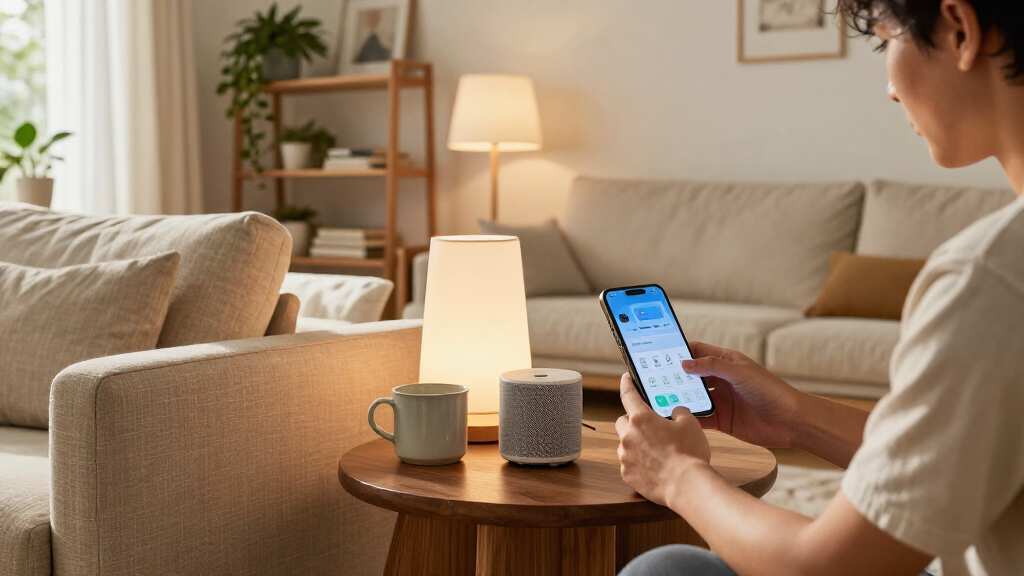
🔍 Read the full analysis: Choosing AI-Powered Devices For A Home That Fits You on ThorstenMeyerAI.com

Get business pricing on office and shipping supplies
- Business-only prices and quantity discounts
- Tax-exempt purchasing
- Multiple users, one account, clear invoices
TL;DR
ThorstenMeyerAI.com published a beginner’s guide to setting up a small home automation system with devices such as smart speakers, lights, thermostats and plugs. It recommends checking compatibility, securing accounts and reviewing privacy settings before relying on voice commands, schedules or sensor-triggered routines.
ThorstenMeyerAI.com has published a beginner’s guide to setting up AI-powered home devices, outlining how to connect a smart speaker, light, thermostat or plug and configure it for voice commands, schedules or supported sensor events. The guide says a small setup may take 45 to 90 minutes, depending on the number of devices and whether updates are needed.
The guide recommends starting with one low-risk device, such as a lamp, and checking whether it works with the chosen smart-home platform before buying or pairing it. For more ideas, see AI devices for home automation. Device requirements can include a compatible assistant, a hub, a particular Wi-Fi band or a subscription. The guide warns that voice control does not necessarily mean every automation or AI feature is supported on a given model.
Setup involves installing the manufacturer’s official app, updating the app and device firmware, then connecting the device to Wi-Fi or a hub. A smart home device guide can offer additional examples of compatible equipment. Users are advised to confirm the required network band and check that the app reports the device as online. The guide also recommends giving devices distinct names and assigning them to the correct rooms, so voice commands and routines can identify them accurately.
Account and network safeguards are part of the setup advice: use a unique password, turn on multifactor authentication when available, and install router updates through official controls. Before enabling AI features, users should review settings for voice recordings, activity history, data sharing and cloud processing. The source says some devices process commands locally, while others send voice, sensor or usage data to a cloud service.
Compatibility and Privacy Shape Setup
The guide addresses two practical issues that can affect whether a smart-home system works as expected: device compatibility and data handling. A device may require a hub or a 2.4 GHz Wi-Fi network, for example, and may not support every routine available through a platform. Checking those details before purchase can help avoid pairing problems or paying for features a device cannot provide.
Privacy settings matter because connected devices can involve microphones, cameras, sensors or records of household activity. The source advises users to disable features they do not need, check when recording or listening is active, and use physical privacy controls where available. These steps do not establish how every product handles data; users still need to consult the policies and controls for their specific device and service.
Starting with a lamp rather than a lock, alarm or heater also limits the consequences of early setup mistakes. The guide cautions against changing wiring or installing equipment in situations requiring an electrician unless the person is qualified. That makes the advice relevant not only to convenience, but also to household safety and access.
Products Worth Considering

Logitech MX Master 4 Ergonomic Wireless Mouse with Haptics – Graphite

Logitech MX Mechanical Mini for Mac Wireless Keyboard, Space Gray

Logitech MX Brio Ultra HD 4K Webcam for Streaming and Collaboration
As an affiliate, we earn on qualifying purchases.
A Small Setup Before Expansion
The source frames the task as a beginner project using a phone or tablet, home Wi-Fi and a handful of compatible devices. It lists a smartphone, the manufacturer’s app, device power supplies, any required hub, the Wi-Fi password and access to the account used by the platform as basic requirements. Users who do not manage their own router may need help accessing its settings.
Its product commentary names Hubitat, SwitchBot and Green as possible choices, but presents these as the site’s recommendations rather than independently verified rankings. ThorstenMeyerAI.com says it favors Hubitat when local, multi-protocol automation and subscription-free AI-assisted routine building are priorities; it recommends SwitchBot for camera-aware chat-based control when the subscription and device limits suit the buyer; and describes Green as a local automation base for people who do not prioritize built-in AI features.
The article also discloses that it earns commissions from qualifying Amazon purchases. That commercial relationship is relevant when readers weigh its product recommendations. The supplied material does not provide independent product testing results or a comparison methodology.
““We recommend Hubitat as the best overall choice when local, multi-protocol automation and subscription-free AI-assisted routine building matter more than beginner-friendly setup.””
— ThorstenMeyerAI.com
Product Features Need Verification
The source does not give a publication date, device model numbers, current prices or a detailed test methodology for its product recommendations. It is therefore unclear from the supplied material how the named products were compared, which versions or subscriptions were reviewed, or whether their features and limits have changed.
Compatibility and privacy arrangements also vary by device, platform, region and network. The guide does not identify the exact Wi-Fi or hub requirements for a specific product, nor does it describe the data policies of each service. Readers should confirm those details on the manufacturer’s current product page and in the official app before purchase or setup.
Check Requirements Before Pairing
The guide’s next practical step is to choose one task, such as switching on a lamp by voice, and verify that the selected device supports the intended platform and features. Before setup, users should have the official app, account access, Wi-Fi credentials and any required hub ready, then follow the manufacturer’s instructions for pairing and updates.
After the device appears online, users can name it, assign its room and test its controls before building a routine. The source recommends reviewing privacy and account permissions before enabling voice, camera or sensor features. No product launch, regulatory action or other follow-up event is identified in the supplied material.
Key Questions
How long does a small smart-home setup take?
The guide estimates 45 to 90 minutes, depending on how many devices are added and whether apps or device firmware need updates.
What should I check before buying a smart-home device?
Check compatibility with your platform and region, whether the device needs a hub or particular Wi-Fi band, and whether the features you want require a subscription. The guide says to confirm the exact model’s supported routines and AI features.
How can I reduce privacy risks when setting up AI features?
Review settings for voice recordings, activity history, data sharing and cloud processing. Disable unneeded features, check how to pause microphones or cameras, and see whether the device has a physical privacy switch.
Which device should beginners set up first?
The guide recommends starting with a low-risk device, such as a lamp, before connecting equipment such as locks, alarms or heaters that can affect safety or access.
Source: ThorstenMeyerAI.com