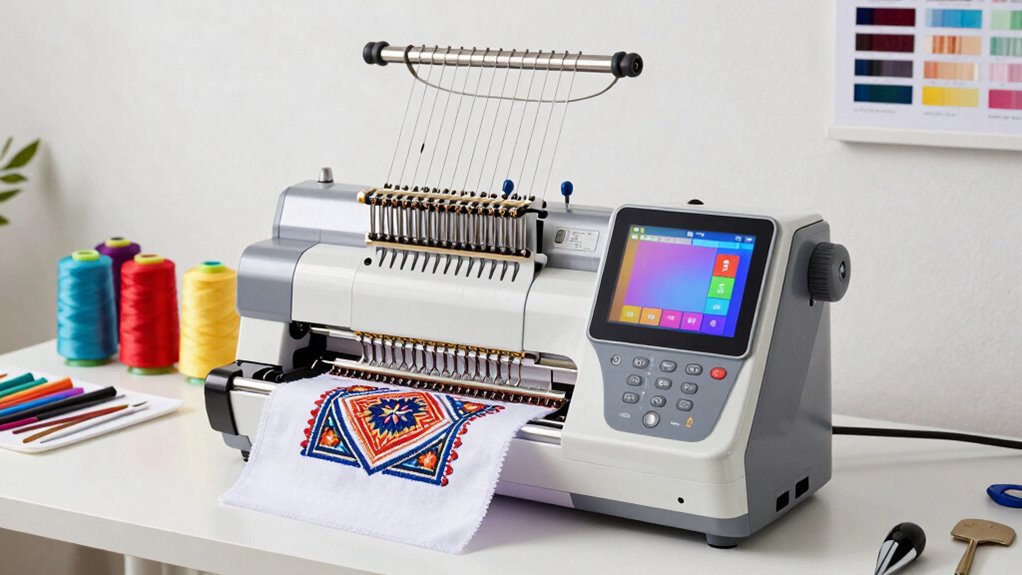
Finding the right table top embroidery machine for an apparel startup involves balancing budget, features, and ease of use. The Poolin EOC06 stands out as the best overall choice due to its generous embroidery area and extensive color options, making it versatile for small-scale production. The Brother SE700 offers a great combo of sewing and embroidery, ideal for startups that want multifunctionality without high overhead. Meanwhile, the Smartstitch S-1201 Plus provides a larger embroidery area and multiple needles, perfect for those ready to scale. Buyers face tradeoffs between price, complexity, and capacity, so continue reading for a detailed breakdown of each option and what suits your needs best.

Get business pricing on office and shipping supplies
- Business-only prices and quantity discounts
- Tax-exempt purchasing
- Multiple users, one account, clear invoices
Key Takeaways
- Top-tier models like the Smartstitch S-1201 Plus offer larger embroidery areas and multiple needles, suitable for scaling startups.
- Budget-friendly options such as the Poolin EOC06 provide solid performance with extensive color and thread choices, perfect for beginners.
- Combination machines like the Brother SE700 deliver versatility, combining sewing and embroidery, ideal for small operations with limited space.
- Ease of use and connectivity features, like Wi-Fi or touchscreen controls, significantly impact workflow efficiency.
- Higher-capacity machines generally come with higher price tags but offer better long-term value for growing apparel brands.
| Poolin EOC06 Embroidery Machine Bundle, 7.9″ x 11″ Embroidery Area, 80 Colors, 144 Bobbins |  | Best Overall for Larger Projects and Versatility | Embroidery Area: 7.9″ x 11″ | Colors: 80 | Bobbins: 144 prewound Class 15 | VIEW ON AMAZON | See Our Full Breakdown |
| Brother SE700 Combo Embroidery & Sewing Machine with 4 Embroidery Hoops, Thread Set & Accessories |  | Best for Crafters and Small-Scale Apparel Startups | Embroidery Area: 4″ x 4″ | Built-in Designs: 135 | Built-in Stitches: 103 | VIEW ON AMAZON | See Our Full Breakdown |
| Brother PE900 5″ x 7″ Embroidery Machine with Accessories and Thread Set |  | Best for Extensive Design Variety and Detail | Embroidery Area: 5″ x 7″ | Built-in Designs: 190 | Display: 3.7-inch Touch Screen LCD | VIEW ON AMAZON | See Our Full Breakdown |
| Poolin EOM 15-Needle Embroidery Machine Starter Bundle |  | Best for Small Business and Home Use with Multi-Color Capability | Needles: 15 | Touchscreen: 9 inches | Included Stabilizer: 12 x 25 inches roll | VIEW ON AMAZON | See Our Full Breakdown |
| Poolin EOM 15 Needle Commercial Embroidery Machine |  | Best for Growing Business and Medium-Size Production | VIEW ON AMAZON | See Our Full Breakdown | |||
| Brother SE700 Sewing and Embroidery Machine with Wireless LAN |  | Best Overall for Versatility and User-Friendliness | Embroidery Field: 4″ x 4″ | Touchscreen: 3.7-inch LCD color | Built-in Designs: 135 | VIEW ON AMAZON | See Our Full Breakdown |
| Smartstitch S-1001 Upgraded Commercial Embroidery Machine with 10 Needles and 7″ Touch Screen |  | Best for Advanced Users and Commercial-Grade Projects | Needles: 10 | Max Speed: 1200 SPM | Touch Screen: 7 inches | VIEW ON AMAZON | See Our Full Breakdown |
| Brother PE900 Wireless Embroidery Machine with WLAN |  | Best for Larger Designs and Design Variety | Embroidery Area: 5″ x 7″ | Built-in Designs: 193 | Lettering Fonts: 13 (including Cyrillic and Japanese) | VIEW ON AMAZON | See Our Full Breakdown |
| Brother SE2000 Sewing and Embroidery Machine Computerized |  | Best for All-in-One Versatility with Large Embroidery Area | Embroidery Field: 5″ x 7″ | Built-in Designs: 190+ | Downloadable Designs: 50 | VIEW ON AMAZON | See Our Full Breakdown |
| Smartstitch S-1201 Plus Embroidery Machine with 12 Needles, 12″x16″ Embroidery Area, Wifi, Touch Screen |  | Best for Large-Scale and Professional Embroidery Projects | Needles: 12 | Max Speed: 1200 SPM | Embroidery Area: 12″ x 16″ | VIEW ON AMAZON | See Our Full Breakdown |
| table top embroidery machines for apparel startup | Embroidery Area | Built-in Designs |
|---|---|---|
| Poolin EOC06 Embroidery Machin | 7.9" x 11" | — |
| Brother SE700 Combo Embroidery | 4" x 4" | 135 |
| Brother PE900 5" x 7" Embroide | 5" x 7" | 190 |
| Poolin EOM 15-Needle Embroider | Large | — |
| Poolin EOM 15 Needle Commercia | — | — |
| Brother SE700 Sewing and Embro | — | 135 |
| Smartstitch S-1001 Upgraded Co | 9.5" x 14.2" | — |
| Brother PE900 Wireless Embroid | 5" x 7" | 193 |
| Brother SE2000 Sewing and Embr | — | 190+ |
| Smartstitch S-1201 Plus Embroi | 12" x 16" | — |
More Details on Our Top Picks
Poolin EOC06 Embroidery Machine Bundle, 7.9″ x 11″ Embroidery Area, 80 Colors, 144 Bobbins
The Poolin EOC06 stands out for its spacious 7.9″ x 11″ embroidery area, making it ideal for larger apparel items, tote bags, and home décor, unlike smaller models like the Brother PE900, which is better suited for delicate or smaller projects. Its large touchscreen simplifies design adjustments, and the extensive thread supply supports lengthy projects without frequent reloading. While it offers a comprehensive bundle, the machine’s setup and operation may challenge beginners, especially since detailed speed and compatibility info are scarce. Compared to compact options, this model prioritizes project size and customization, but its size and learning curve mean it’s less suited for those with limited space or minimal embroidery experience.
Pros:- Generous 7.9″ x 11″ embroidery area for bigger designs
- Intuitive touchscreen for easy design modifications
- Includes extensive thread and bobbin supplies for uninterrupted work
Cons:- Steep learning curve for users new to embroidery machines
- Limited details on machine speed and compatibility may hinder advanced users
Best for: Growing apparel startups needing larger embroidery areas and flexible project options
Not ideal for: Small home-based crafters or beginners seeking a straightforward entry-level machine
- Embroidery Area:7.9″ x 11″
- Colors:80
- Bobbins:144 prewound Class 15
- Thread Length:800M
Our verdict“This machine suits startups aiming for larger, more complex embroidery projects with room to grow, despite its initial complexity.”
Brother SE700 Combo Embroidery & Sewing Machine with 4 Embroidery Hoops, Thread Set & Accessories
The Brother SE700 offers a versatile combination of sewing and embroidery functions in one machine, featuring a 4″ x 4″ embroidery area, which is smaller than the Poolin EOC06 but offers a broader range of built-in stitches and designs. Its 3.2-inch LCD touchscreen makes editing and design selection straightforward, and the wireless transfer capability simplifies workflow compared to manual file transfers. However, the limited embroidery area restricts its use for larger apparel items, and its higher price might be prohibitive for budget-conscious startups. Compared to dedicated embroidery-only machines, this combo model excels in versatility but sacrifices size capacity, making it ideal for small-scale or hobbyist apparel projects.
Pros:- Combination sewing and embroidery functions for multi-tasking
- Wireless design transfer for streamlined workflow
- Includes multiple hoops and accessory bundle for versatility
Cons:- Limited embroidery area size restricts large designs
- More complex operation may challenge complete beginners
- Higher price point may not suit tight budgets
Best for: Startups looking for an all-in-one machine for small apparel items and craft projects
Not ideal for: Businesses focused on larger embroidery designs or high-volume production
- Embroidery Area:4″ x 4″
- Built-in Designs:135
- Built-in Stitches:103
- Display:3.2 x 1.8 inch color touchscreen
Our verdict“This machine is perfect for small apparel startups wanting multifunctionality without extensive space needs, though not for large-format embroidery tasks.”
Brother PE900 5″ x 7″ Embroidery Machine with Accessories and Thread Set
The Brother PE900 offers a generous 5″ x 7″ embroidery area, surpassing smaller models like the SE700 and providing ample space for custom logos and detailed designs. Its 190 built-in designs and 3.7-inch LCD screen make it a strong choice for those who want a broad creative palette, especially with its wireless pattern transfer via the Artspira app. However, the machine’s weight and size may make it less suitable for small spaces, and the high price could be a barrier for startups with limited budgets. Compared to compact models, the PE900 emphasizes design variety and size, but its bulk and complexity can be drawbacks for beginners or those with limited workspace.
Pros:- Large 5″ x 7″ embroidery area for detailed designs
- Includes a comprehensive bundle of hoops, threads, and tools
- Wireless pattern transfer streamlines workflow
Cons:- Heavy and less portable for small studios or mobile setups
- Complex setup and operation for beginners
- High initial investment
Best for: Startups seeking a balance of large embroidery area and extensive design options
Not ideal for: Small or mobile operations with limited space or budget constraints
- Embroidery Area:5″ x 7″
- Built-in Designs:190
- Display:3.7-inch Touch Screen LCD
- Included Threads:40 polyester embroidery threads, 500m each
Our verdict“Ideal for startups prioritizing extensive design options and larger embroidery projects, despite its size and cost.”
Poolin EOM 15-Needle Embroidery Machine Starter Bundle
The Poolin EOM 15-Needle delivers a professional multi-color embroidery experience with 15 needles, making it a strong choice for small businesses and home entrepreneurs looking for efficiency and variety. Its 9-inch touchscreen simplifies operation, and features like auto color change and thread trimming reduce manual effort. Compared to single-needle machines like the EOM 15 Needle Commercial, the 15-needle model offers faster, more complex multi-color designs, but it may be overwhelming for absolute beginners without prior machine experience. The bundle’s inclusion of stabilizer, threads, and accessories makes it ready for immediate use, although its size and complexity mean it’s best for dedicated workspaces rather than casual hobbyists.
Pros:- 15 needles for fast multi-color embroidery
- Auto color change and thread trimming improve efficiency
- Includes comprehensive starter bundle with stabilizer and threads
Cons:- May be complex for users new to multi-needle systems
- Large size requires dedicated space
Best for: Small business owners or hobbyists ready to upgrade to multi-needle embroidery without large industrial machines
Not ideal for: Complete beginners or those with minimal space for larger equipment
- Needles:15
- Touchscreen:9 inches
- Included Stabilizer:12 x 25 inches roll
- Embroidery Area:Large
Our verdict“This machine suits small businesses seeking multi-color, multi-needle embroidery capabilities with a manageable footprint, despite its complexity.”
Poolin EOM 15 Needle Commercial Embroidery Machine
The Poolin EOM 15 Needle Commercial targets expanding embroidery shops and serious startups, offering 15-needle capacity, automatic color change, and fast speeds up to 1,200 SPM. Its 14.2″ x 9.5″ embroidery area handles a range of apparel and accessories, including caps with the specialized cap system, making it versatile for different product lines. The integrated laser positioning and InStitch ecosystem streamline workflow, reducing manual adjustments and enhancing consistency. Compared to smaller single-needle or hobbyist models, this machine emphasizes high-volume output and multi-product capability, but its complexity and size make it less suitable for those with limited space or minimal experience in multi-needle embroidery systems.
Pros:- 15-needle system for multi-color, multi-design production
- Automatic features like color change and thread trimming for efficiency
- Laser positioning for consistent placement on various items
- Wide embroidery area and cap system for versatile projects
Cons:- Complex workflow may require training or experience
- Size and cost might be prohibitive for small or casual operations
Best for: Growing embroidery businesses and shops needing high throughput and multi-product embroidery
Not ideal for: Small startups or hobbyists with limited space or minimal production needs
Our verdict“This machine is ideal for established shops aiming for high-volume, multi-product embroidery, despite its complexity and size.”
Brother SE700 Sewing and Embroidery Machine with Wireless LAN
The Brother SE700 stands out as the most adaptable choice in this lineup, combining sewing and embroidery functions in a compact design. Its large 3.7-inch color touchscreen simplifies editing, while the 135 built-in designs and 103 stitches offer ample creative options. Unlike the Smartstitch S-1001, which boasts advanced features like auto color changing and laser positioning but is more complex, the SE700 prioritizes ease of use—ideal for startups stepping into embroidery without extensive training. The wireless transfer capability and mobile app support make design updates straightforward, a significant advantage over wired-only models. However, its 4″ x 4″ embroidery field may limit larger projects, and it only runs on US-standard 120V power, restricting international use. This machine suits apparel startups seeking versatile, user-friendly embroidery with wireless connectivity, but those needing larger embroidery areas should consider other options.
Pros:- Wireless file transfer and mobile app customization simplify design updates
- Large, intuitive 3.7-inch color touchscreen for easy editing
- Wide variety of built-in designs and stitches for creative flexibility
- Auto needle threader reduces setup time
Cons:- Limited embroidery area of 4″ x 4″ may restrict larger designs
- Designed exclusively for US 120V power, limiting international use
Best for: Beginner to intermediate apparel startups seeking a versatile, easy-to-use embroidery and sewing combo machine
Not ideal for: Startups planning large-scale projects that require bigger embroidery fields or advanced automation features
- Embroidery Field:4″ x 4″
- Touchscreen:3.7-inch LCD color
- Built-in Designs:135
- Built-in Stitches:103
- Embroidery Fonts:10
- Connectivity:Wireless LAN, USB port
Our verdict“This machine is ideal for startups prioritizing ease of use and wireless connectivity over large embroidery areas.”
Smartstitch S-1001 Upgraded Commercial Embroidery Machine with 10 Needles and 7″ Touch Screen
The Smartstitch S-1001 is tailored for those who need heavy-duty performance and advanced features, making it a clear choice over simpler models like the Brother PE900. Its 10-needle setup allows multi-color stitching without frequent thread changes, ideal for detailed logo work or multi-color designs. The 7-inch touchscreen provides extensive control, and features like auto thread trimming, auto color changing, and laser positioning streamline production, especially for high-volume or complex tasks. However, the machine’s complexity can be daunting for beginners, unlike the more straightforward SE700. Its robust features come with a steeper learning curve and higher maintenance needs. This model suits established apparel startups or tailored shops needing reliable, high-speed, multi-color embroidery on various materials.
Pros:- Supports multi-color embroidery with 10 needles for efficiency
- Advanced automation features like auto thread trimming and laser positioning
- Supports stitching on a wide range of materials and sizes
- Extensive training and technical support included
Cons:- Complex setup and operation may intimidate beginners
- Higher price point and maintenance requirements
Best for: Commercial embroidery businesses or startups with prior experience seeking high automation and multi-needle capacity
Not ideal for: Beginners or startups with limited technical support and experience in complex embroidery machinery
- Needles:10
- Max Speed:1200 SPM
- Touch Screen:7 inches
- Embroidery Area:9.5″ x 14.2″
- Stitch Memory:up to 100 million stitches
- Features:Auto thread trimming, auto color changing, self-lubrication, laser positioning
Our verdict“This machine is perfect for established startups or professional shops needing fast, multi-color, high-volume embroidery capabilities.”
Brother PE900 Wireless Embroidery Machine with WLAN
The Brother PE900 offers a substantial 5″ x 7″ embroidery area, making it an excellent upgrade for startups ready to handle larger designs compared to the Brother SE700. Its 193 built-in designs and 13 fonts provide significant creative flexibility, particularly appealing for apparel businesses focusing on bigger logos or detailed motifs. Wireless transfer via the Artspira app streamlines design updates, but the machine is dedicated solely to embroidery, unlike the SE2000, which combines sewing and embroidery. The larger embroidery field may require more space and setup, and additional expenses for accessories like thread sets can add up. This choice balances design capacity with ease of use, especially for those who want bigger projects without added complexity. It’s well-suited for startups prioritizing larger embroidery projects and design variety, but not for those needing sewing functions.
Pros:- Large 5″ x 7″ embroidery area for bigger designs
- Numerous built-in designs and fonts for creative flexibility
- Wireless design transfer via mobile app for convenience
- Intuitive touchscreen editing
Cons:- Embroidery-only function limits versatility
- Requires additional investment for accessories and thread sets
Best for: Startups expanding into larger embroidery projects and design-heavy apparel items
Not ideal for: Small-scale startups or those seeking combined sewing and embroidery functions in one machine
- Embroidery Area:5″ x 7″
- Built-in Designs:193
- Lettering Fonts:13 (including Cyrillic and Japanese)
- Touchscreen:3.7-inch LCD
- Connectivity:Wireless LAN, USB
- Compatible App:Artspira
Our verdict“This machine suits startups aiming for larger embroidery projects with extensive design options and wireless ease of use.”
Brother SE2000 Sewing and Embroidery Machine Computerized
The Brother SE2000 combines sewing and embroidery in a single machine, making it versatile for apparel startups that need both functions without multiple devices. Its 5″ x 7″ embroidery area and over 190 built-in designs provide ample flexibility for various projects, with an easy-to-use 3.7-inch touchscreen for editing. Compared to the PE900, the SE2000 offers slightly more stitches (241) and downloadable designs, catering to those who want more variety. Wireless transfer capabilities ease design updates, but it requires separate purchase of Artspira thread sets and runs on US 120V electricity, limiting international use. The dual-function nature makes it suitable for startups balancing sewing and embroidery tasks but not prioritizing large-volume embroidery. This model is ideal for small apparel businesses seeking a versatile, space-efficient machine.
Pros:- Large 5″ x 7″ embroidery area for bigger designs
- Wide variety of built-in and downloadable designs
- Wireless design transfer simplifies updates
- Combination sewing and embroidery functions save space
Cons:- Requires additional purchase for thread sets
- Limited to US 120V power, restricting international use
Best for: Startups needing a combined sewing and embroidery machine with decent design capacity
Not ideal for: Businesses focused solely on embroidery or requiring larger embroidery fields
- Embroidery Field:5″ x 7″
- Built-in Designs:190+
- Downloadable Designs:50
- Sewing Stitches:241
- Touchscreen:3.7-inch LCD
- Connectivity:Wireless LAN, USB
Our verdict“This machine is a versatile choice for startups wanting a combined sewing and embroidery device with good design options.”
Smartstitch S-1201 Plus Embroidery Machine with 12 Needles, 12″x16″ Embroidery Area, Wifi, Touch Screen
The Smartstitch S-1201 Plus clearly targets professional apparel startups that need extensive embroidery space and advanced automation. Its massive 12″ x 16″ embroidery area allows for large, detailed designs that smaller machines can’t handle, making it ideal for custom apparel or promotional items. The 12-needle setup and 10-inch touchscreen streamline multi-color, multi-layer projects, outperforming models like the Brother PE900 in scale and automation. However, its large size and complex setup require dedicated space and technical expertise, which might be overkill for small startups or those just beginning. The higher price point also reflects its professional-grade features. This choice best suits established or growing businesses with high-volume embroidery needs and space for a larger machine.
Pros:- Massive 12″ x 16″ embroidery area for versatile large projects
- 12 needles enable multi-color stitching without changing threads
- Advanced automation features for efficiency
- Large 10-inch touchscreen for easy operation
Cons:- High complexity and setup requirements
- Significant space and higher investment needed
Best for: Established apparel startups or professional embroidery shops requiring large, high-speed, multi-needle capacity
Not ideal for: Small startups or those with limited space or technical support for complex machinery
- Needles:12
- Max Speed:1200 SPM
- Embroidery Area:12″ x 16″
- Touch Screen:10 inches
- Features:Auto thread trimming, auto color changing, self-lubrication, thread break detection, laser positioning
- Memory:Up to 100 million stitches
Our verdict“This machine is designed for busy, professional embroidery operations with large-volume, complex projects requiring automation and extensive space.”

How We Picked
These embroidery machines were selected based on a combination of performance, usability, build quality, and value for apparel startups. Priority was given to machines that balance ease of operation with professional features, ensuring they can handle small to medium production runs. We also considered connectivity options, embroidery area size, needle count, and included accessories. The ranking reflects which models provide the best mix of affordability, reliability, and scalability for startups aiming to grow their apparel business without over-investing initially.Factors to Consider When Choosing Table Top Embroidery Machines For Apparel Startups
When choosing a table top embroidery machine for an apparel startup, it’s vital to consider several key factors that impact your daily workflow, cost, and growth potential. While initial price is important, features like embroidery area size, number of needles, and ease of use often determine how effectively you can produce customized apparel. Connectivity options such as Wi-Fi or USB compatibility can streamline design transfers, saving time. Additionally, the machine’s durability and available accessories influence long-term value. Avoiding common mistakes like underestimating your future needs or overpaying for unnecessary features helps ensure you select a machine that grows with your business.Embroidery Area and Needle Count
The size of the embroidery area directly affects the complexity and size of designs you can produce, making larger areas more versatile for apparel customization. For startups, a 5″ x 7″ or larger embroidery field is often recommended as a balance between capacity and machine size. Needle count impacts the machine’s ability to handle multi-color and complex designs efficiently. Machines with multiple needles (6 or more) enable faster production by switching thread colors automatically, but tend to come at a higher cost. Consider your typical design needs and future growth plans when choosing the right capacity.
Ease of Use and Connectivity
Ease of operation is crucial for startups with limited technical staff or those just beginning embroidery. Machines with intuitive touchscreens, guided tutorials, and simple interfaces reduce learning curves. Connectivity features like Wi-Fi or USB ports enable quick transfer of designs, accelerating workflow. Some models also include pre-loaded design libraries, which can be useful for quick customization. Investing in a machine with good user support and software updates can save time and frustration as your business scales.
Build Quality and Durability
Since these machines are intended for frequent use, durability matters. Look for sturdy frames, high-quality motors, and reliable threading mechanisms. Cheaper models may save money upfront but could require more maintenance or replacements over time. Conversely, premium models tend to offer longer warranties and better customer support, which can be valuable for a startup planning long-term growth. Balancing initial investment with expected longevity is key to avoiding costly repairs or replacements later.
Price and Value
Budget constraints influence most startup decisions, but it’s important to evaluate what’s included within the price. Cheaper machines might lack features like multiple needles or large embroidery areas, limiting your ability to expand. On the other hand, high-end models can be prohibitively expensive for very small startups. Look for a model that offers a good balance of features and affordability, considering your projected production volume. Sometimes, investing slightly more upfront can provide better long-term value by reducing upgrades or replacements.
Additional Features and Accessories
Extras like multiple hoops, built-in design libraries, or automatic threading can significantly improve productivity. Some models come with starter kits that include essential accessories, which help reduce initial setup costs. Compatibility with design software and ease of updating firmware are also worth considering. Evaluate which features are necessities for your business, and avoid overpaying for bells and whistles that won’t be used regularly. Thoughtful selection of accessories can enhance your machine’s capabilities without breaking your budget.
Frequently Asked Questions
How do I choose the right embroidery machine size for my startup?
The ideal embroidery area depends on the types of designs you plan to create. For apparel startups focusing on small logos or initials, a 4″ x 4″ or 5″ x 7″ hoop might suffice. However, if you want to customize larger items or use more complex designs, opting for a machine with a bigger embroidery area—such as 6″ x 10″ or larger—makes sense. Remember, larger machines tend to be bulkier and more expensive, so balancing your current needs with future growth potential is key. Starting with a mid-sized machine often provides the most flexibility for a growing apparel brand.
Is a multi-needle embroidery machine worth the extra investment?
Multi-needle machines allow for automatic color changes, which can significantly speed up production and reduce manual labor. For startups with plans for frequent, multi-color designs, this feature can improve efficiency and consistency. However, they are also more costly upfront and require more maintenance. If your current volume is low or your designs are simple, a single-needle machine might be more cost-effective initially. As your business expands, upgrading to a multi-needle model can then become a worthwhile investment.
What maintenance does a table top embroidery machine require?
Routine maintenance involves cleaning the bobbin area, lubricating moving parts as recommended, and checking tension settings regularly. Replacing worn needles and cleaning the thread path help prevent thread breaks and ensure consistent stitching. It’s also important to keep software and firmware updated for optimal performance. Proper maintenance extends the machine’s lifespan and minimizes downtime, which is critical for small startups relying on consistent output. Many manufacturers offer service plans, which can be a helpful consideration when choosing a model.
Can I upgrade a basic embroidery machine as my startup grows?
Some entry-level models are designed with modular upgrades in mind, allowing you to add features like extra needles or larger embroidery areas later. However, most machines have fixed hardware capabilities, so upgrading often means purchasing a new machine altogether. To accommodate future growth, it’s wise to select a machine that offers scalability features or that can be easily replaced with higher-capacity models. Planning for future needs during your initial purchase can save money and reduce downtime later.
What is the typical learning curve for new embroidery machine users?
Most beginner-friendly models feature simple interfaces, touchscreen controls, and guided tutorials, reducing the time needed to become proficient. Basic training on threading, hooping, and design transfer is usually sufficient for starting out. The learning curve varies depending on your technical background, but investing in a machine with strong customer support and comprehensive manuals can accelerate this process. Many brands also offer online resources and user communities that facilitate quicker mastery of machine functions.
Conclusion
For those just starting out, the Poolin EOC06 offers a well-rounded blend of capacity and affordability, making it ideal as the best overall choice. The Brother SE700 stands out as a great value for entrepreneurs seeking versatility without high costs. If you want a premium setup capable of larger, complex designs, the Smartstitch S-1201 Plus is an excellent investment for scaling. Beginners should consider models with simple interfaces, while growing startups will benefit from machines that support upgrades. Matching your machine to your current needs and long-term plans ensures the best results for your apparel business.
Fall Picks
fall essentials
As an affiliate, we earn on qualifying purchases.