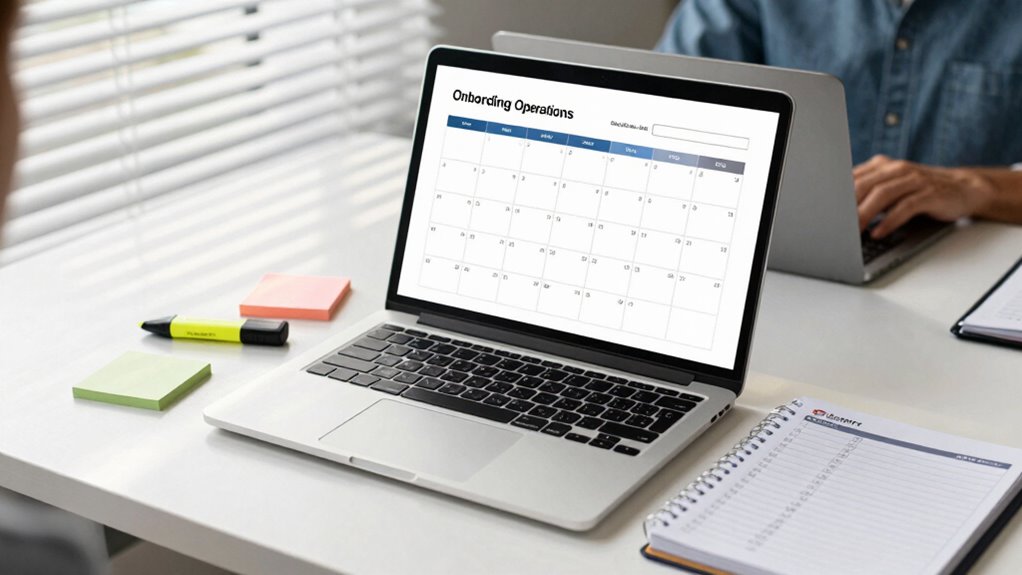

Most teams go wrong by skipping key planning steps and creating disorganized onboarding calendars. They often overlook the importance of structured schedules, automation, and feedback loops, leaving new hires overwhelmed or confused. Without clear timelines and consistent content delivery, onboarding becomes ineffective. To avoid these pitfalls, it’s essential to follow a strategic plan that integrates automation and continuous improvement. Keep going, and you’ll discover how to build an onboarding calendar that works seamlessly.

Get business pricing on office and shipping supplies
- Business-only prices and quantity discounts
- Tax-exempt purchasing
- Multiple users, one account, clear invoices
Key Takeaways
- Lack of structured planning leads to inconsistent onboarding experiences and confusion for new hires.
- Overlooking automation causes repetitive tasks and delays in delivering essential onboarding content.
- Failing to incorporate feedback loops prevents continuous improvement of the onboarding process.
- Not integrating content management tools results in inaccessible materials and disorganized information.
- Viewing onboarding as a one-time event rather than a continuous process hampers long-term employee engagement and development.
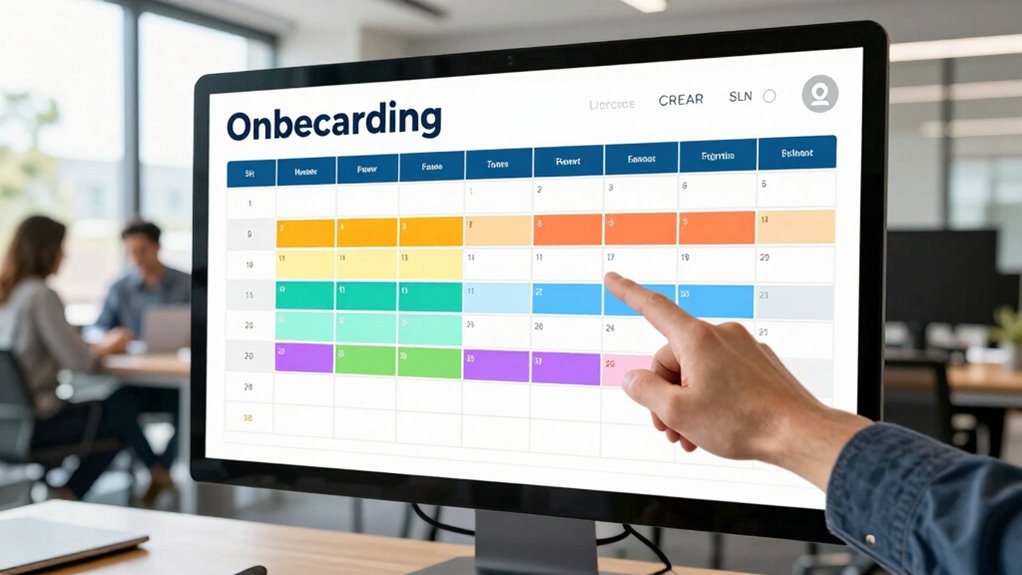
Creating an onboarding operations calendar is essential for guaranteeing new hires have a smooth and organized start. It sets the tone for their experience, helps them integrate quickly, and assures they gain the knowledge they need without feeling overwhelmed. Many teams stumble here by neglecting the importance of structured planning, often leaving new employees to figure things out on their own or relying on ad hoc processes that create confusion and delays. A well-designed calendar should incorporate elements like training automation and feedback loops to optimize the onboarding process. Training automation reduces manual effort, safeguards consistent delivery of information, and allows new hires to engage with onboarding materials at their own pace. When you automate routine training sessions, you free up your team’s time and minimize the risk of inconsistent messaging. This way, every new hire receives the same foundational knowledge, and you can easily track their progress, identify gaps, and address issues in real-time. Additionally, integrating content management systems can streamline the distribution of onboarding materials and ensure accessibility for all new employees. Incorporating automation tools into your onboarding process can significantly enhance efficiency and consistency across your team. Feedback loops are equally critical. They enable you to gather insights from new hires about their onboarding experience, pinpointing bottlenecks and areas for improvement. By integrating regular check-ins and surveys into your calendar, you create a feedback-rich environment that fosters continuous improvement. When new employees feel heard, they’re more engaged and confident, and you gain valuable data to refine your onboarding process. Many teams go wrong by overlooking these feedback mechanisms, which results in stagnation and missed opportunities to enhance the experience. Recognizing that onboarding is a continuous process, rather than a one-time event, can help teams stay proactive in improving the experience for new hires. Emphasizing the importance of structured planning ensures that onboarding remains effective and adaptable over time.
As an affiliate, we earn on qualifying purchases.
Frequently Asked Questions
How Early Should Onboarding Calendars Be Prepared Before a New Hire’s Start Date?
You should prepare onboarding calendars at least two weeks before a new hire’s start date. This allows you to complete pre-arrival preparations and set clear onboarding milestones. By planning early, you guarantee the necessary resources, equipment, and introductions are ready. This proactive approach helps new hires feel welcomed and organized, reducing confusion and fostering engagement from day one. Early preparation sets a positive tone for their entire onboarding experience.
What Tools Are Best for Managing Onboarding Operation Calendars?
You’ll find that tools like Trello, Asana, or Smartsheet work best for managing onboarding operation calendars, especially when scheduling training modules and feedback sessions. These platforms allow you to visualize deadlines, assign tasks, and collaborate seamlessly. As you coordinate, you might realize how integrating these tools streamlines communication and keeps everything on track, ensuring new hires experience a smooth onboarding process from day one.
How Can Teams Customize Onboarding Calendars for Different Roles?
You can customize onboarding calendars for different roles by incorporating role-specific customization, ensuring each new hire receives relevant content and training. Use dynamic scheduling to adjust timelines based on individual progress or departmental needs. This approach allows you to create tailored onboarding experiences, making sure each team member gets the right information at the right time. Regularly review and update these calendars to keep them aligned with evolving role requirements.
What Are Common Pitfalls in Onboarding Calendar Scheduling?
You might think scheduling orientation is straightforward, but common pitfalls include overloading new hires with back-to-back sessions or neglecting feedback collection. Ironically, organizing too rigidly can hinder flexibility, leaving little room for questions or adjustments. Failing to take into account individual pacing or neglecting feedback collection can create confusion or disengagement. To avoid these traps, prioritize clear, well-paced orientation scheduling that encourages feedback, ensuring a smoother onboarding experience.
How Do Onboarding Calendars Integrate With Other HR Systems?
You need to guarantee your onboarding calendars integrate smoothly with other HR systems. Integration challenges often arise from system compatibility issues, which can cause data mismatches or delays. To avoid these problems, verify that your onboarding platform supports standard APIs and data formats. Regularly test the integration points and maintain clear communication with your HR tech vendors. Doing so helps streamline onboarding processes and keeps all systems aligned effectively.
Conclusion
To wrap up, a well-structured onboarding operations calendar keeps everything on track, ensuring new hires feel welcomed and prepared. Don’t let disorganized schedules or missed steps create confusion—visual tools like Gantt charts or color-coded timelines can help you stay aligned. Think of it as your roadmap: clear, visual, and easy to follow. When you implement these strategies, you’ll see smoother onboarding, happier hires, and a stronger team from day one.
Columbus Day / Indigenous Peoples' Day Picks
long weekend sales
As an affiliate, we earn on qualifying purchases.