📊 Full opportunity report: How To Monitor And Secure SMB Endpoints For Remote Work Efficiency on IdeaNavigator AI — validation score, market gap, and execution plan.
TL;DR
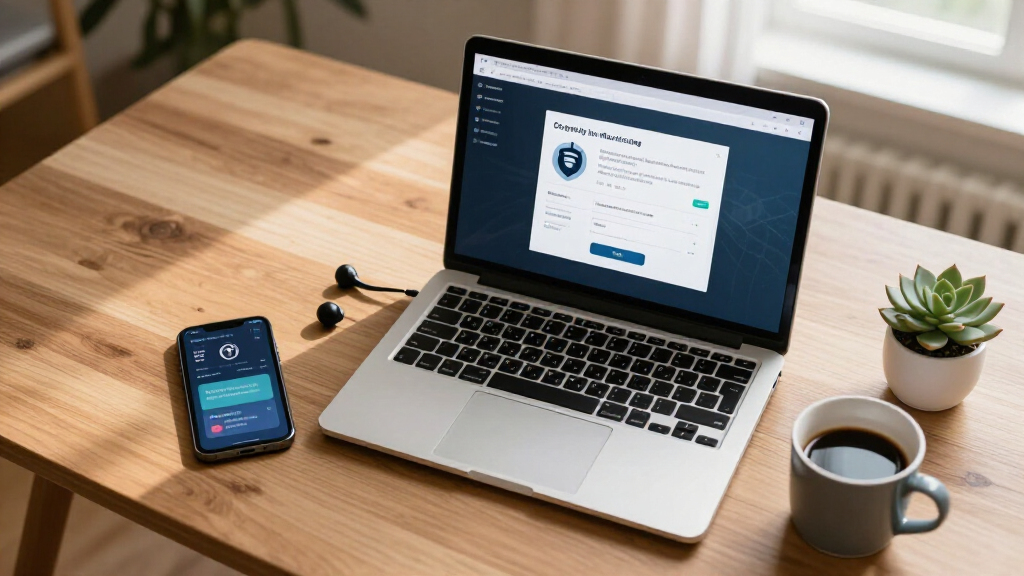
A new device security checker for remote SMB teams enables verification of personal and unmanaged devices for encryption, updates, and security features. It aims to fill compliance gaps without heavy MDM solutions, improving remote work security.
A new lightweight device security checker is being piloted by SMBs to verify employee-owned devices for compliance with encryption, OS updates, and security features, addressing a critical gap in remote work security verification. This development is significant for SMBs facing increasing compliance demands and security risks without the invasive management tools used by larger enterprises. You can learn more about business-grade routers for secure remote work.
The device security checker is a voluntary, lightweight agent that employees install on their personal or unmanaged devices. It checks key security postures such as disk encryption, OS updates, screen lock activation, and password manager presence. The tool reports pass/fail statuses to a centralized dashboard, providing teams with visibility into device security without remote control or invasive management. This approach aims to help SMBs meet compliance standards like SOC 2 and prepare for customer security reviews, which increasingly scrutinize endpoint security.
According to an anonymous researcher involved in the project, the solution is designed to be simple to deploy and operate, with self-remediation instructions provided for devices that fail checks. The per-device monthly pricing model includes compliance report exports, making it suitable for SMBs with limited budgets but growing security needs. SMBs can also explore best monitors for remote work to enhance their remote security setup.
Implications for SMBs’ Remote Security Verification
This development matters because it addresses a critical gap faced by SMBs relying on employee-owned and unmanaged devices for remote work. Traditional Mobile Device Management (MDM) solutions are often too invasive or impractical for personal devices, leaving security and compliance verification incomplete. The new checker offers a non-intrusive, scalable way for SMBs to gather security posture evidence, potentially reducing the risk of breaches and non-compliance penalties. As remote work continues to expand, tools like this could become essential for maintaining security standards without overburdening employees or IT teams.
device security checker for remote work
As an affiliate, we earn on qualifying purchases.
As an affiliate, we earn on qualifying purchases.
Growing Need for SMB Endpoint Security Tools
Remote work has accelerated the use of personal and unmanaged devices in SMBs, creating a verification challenge for security and compliance teams. Currently, many SMBs rely on manual questionnaires or invasive MDM solutions that are often rejected by employees or too costly to implement at scale. As compliance frameworks like SOC 2 tighten their requirements, companies need efficient ways to demonstrate device security posture without disrupting employee workflows. The concept of a voluntary, lightweight agent that reports on security features directly aligns with the needs of SMBs facing these pressures, filling a gap left by traditional management tools.
Uncertainties About Adoption and Compliance Acceptance
It is not yet clear how widely SMBs will adopt this tool, or whether auditors will accept the generated security reports as sufficient evidence during compliance reviews. The pilot is still ongoing, and broader validation is needed to confirm its effectiveness and acceptance across different industries and regulatory environments. Additionally, questions remain about how the tool will handle diverse device configurations and potential false positives or negatives in security assessments.
Next Steps for Deployment and Validation
The initial pilot involving ten SMBs will continue over the coming months, with a focus on measuring device enrollment rates and assessing audit acceptance. If successful, broader rollout and integration with existing compliance workflows are expected. Further development may include expanding security checks and automating remediation steps, but these features are still under consideration. The goal is to establish this tool as a standard part of SMB remote security verification processes.
Key Questions
How does the device security checker work?
The checker is a voluntary, lightweight agent installed on employee devices that verifies security features like disk encryption, OS updates, screen lock, and password managers. It reports pass/fail results to a dashboard for security teams.
Is this tool suitable for all types of devices?
The initial focus is on common platforms like Windows and MacOS, with potential future support for unmanaged phones. Compatibility details are still being finalized during pilot testing.
Will auditors accept reports from this tool?
Acceptance by auditors is still under validation. The pilot aims to demonstrate that the reports meet compliance standards such as SOC 2, but broader industry validation is pending.
What are the costs associated with this tool?
The tool operates on a per-device monthly pricing model, with additional fees for compliance report exports on the paid tier. Exact costs depend on the number of devices enrolled.
Can employees remediate issues themselves?
Yes, the tool provides self-remediation instructions for devices that fail security checks, enabling employees to address issues without IT intervention.
Source: IdeaNavigator AI