📊 Full opportunity report: Achieving Seamless Helpdesk Transitions Using Workflow Cloning on IdeaNavigator AI — validation score, market gap, and execution plan.

Get business pricing on office and shipping supplies
- Business-only prices and quantity discounts
- Tax-exempt purchasing
- Multiple users, one account, clear invoices
TL;DR
A workflow cloning tool is being tested to streamline helpdesk platform migrations by automatically translating macros, rules, and automations. This innovation could significantly reduce migration time and costs for support operations.
A new workflow cloning tool is being tested to enable support teams to migrate between helpdesk platforms such as Zendesk, Intercom, and Freshdesk with minimal manual reconfiguration. This development addresses a longstanding challenge in support operations: the extensive effort required to rebuild complex workflows during platform switches, which can take months and incur high costs.
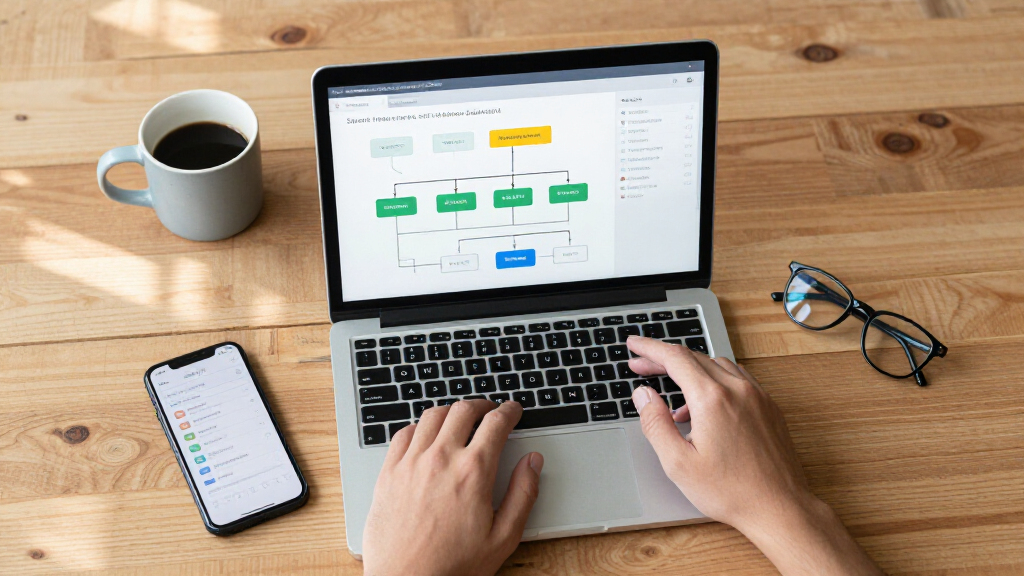
The tool, developed by an unnamed team based on recent insights from IdeaNavigator AI, connects to the source helpdesk platform and exports all workflow elements, including macros, routing rules, SLAs, and automations. It then translates these configurations into the target platform’s equivalent using an AI-driven process, generating an exceptions report for logic that requires human review. The translated workflows are applied via API, aiming to significantly reduce the manual effort traditionally involved in such migrations.
This approach is being tested initially as a narrow, proof-of-concept project, focusing on support operations led by migration specialists. The goal is to validate whether this method can cut down hours spent on manual rebuilding, with plans to expand the tool’s use to more complex or larger-scale migrations if successful. Revenue models include charging per migration and partnering with helpdesk vendors as a switching incentive, potentially subsidizing the transition process for clients.
Implications for Support Operations and Platform Switching
This development could transform how support teams approach platform migrations by drastically reducing the time and resources needed to switch helpdesk systems. Currently, migrating workflows involves months of manual rebuilding, which discourages companies from switching platforms despite potential benefits like better features or cost savings. Automating this process with AI-driven translation could lower switching barriers, foster competition among helpdesk vendors, and accelerate adoption of newer, more efficient platforms. For vendors, offering this as a service could become a key differentiator, creating new revenue streams and strengthening customer retention.
helpdesk workflow automation software
As an affiliate, we earn on qualifying purchases.
As an affiliate, we earn on qualifying purchases.
The Challenge of Helpdesk Platform Migrations
Many support organizations operate with complex, customized workflows built over years, including macros, routing rules, SLAs, and automations tailored to their needs. Transitioning from one helpdesk platform to another traditionally involves manually recreating these workflows, a process that can take several months and is prone to errors. While existing migration tools focus on ticket transfer, they do not address the logic behind automations, making the switch costly and risky. Recently, the rise of AI-native platforms and large language models (LLMs) has opened the possibility of translating workflow configurations between different platform paradigms, potentially automating the entire process.
This innovation aligns with broader industry trends where companies seek to modernize support infrastructure rapidly, especially as many are pulling away from legacy systems to leverage AI-enhanced capabilities. The current pilot aims to test whether AI can reliably interpret and convert complex workflow logic, a step that could redefine migration practices across the support industry.
Uncertainties Around Translation Accuracy and Scope
It is not yet clear how accurately the AI-driven translation can handle complex or highly customized workflows, especially those with intricate logic or third-party integrations. The initial pilots are limited in scope, focusing on straightforward configurations, and the translation of more complex automations remains unproven. Additionally, the process’s reliability in large-scale migrations and its ability to handle platform-specific nuances are still being evaluated. Further testing is needed to determine whether the tool can replace manual rebuilding entirely or if human oversight will remain necessary for certain elements.
Next Steps for Validation and Expansion
The initial phase involves testing the workflow cloning tool on five real migration projects, measuring the hours saved compared to traditional manual rebuilding. Success metrics include reduced time, fewer errors, and positive feedback from support teams. If results are promising, the developers plan to refine the translation algorithms, expand the scope to more complex workflows, and seek partnerships with helpdesk vendors for funding and integration. Additional pilots with larger organizations and varied platform combinations are also expected to follow, aiming to establish the tool as a standard part of the migration process.
Key Questions
How does the workflow cloning tool work?
The tool connects to the source helpdesk platform, exports all workflow elements, and uses AI to translate each component into the target platform’s equivalents. It then applies these configurations via API, aiming to automate the entire migration process.
What types of workflows can it handle?
Initially, the focus is on macros, routing rules, SLAs, and automations. The ability to handle highly complex or customized workflows, especially those with third-party integrations, is still under evaluation.
Will this replace manual rebuilding entirely?
It is too early to say definitively. The current goal is to reduce manual effort significantly, but some workflows may still require human review, especially in complex cases.
Who will pay for this service?
The model involves a per-migration fee, with potential partnerships with helpdesk vendors who could subsidize the process as a switching incentive.
When will this be widely available?
The tool is still in testing, with broader deployment expected after successful pilots and further validation, likely within the next 12-18 months.
Source: IdeaNavigator AI
Columbus Day / Indigenous Peoples' Day Picks
long weekend sales
As an affiliate, we earn on qualifying purchases.