

To optimize for voice search in 2025, focus on natural, conversational keywords and long-tail phrases that match how users speak. Make sure your content clearly answers common questions, stays concise, and is mobile-friendly with fast load times. Local SEO is also vital—include accurate business details and relevant location terms. Staying updated on voice tech trends and continuously adjusting your strategies will help you stay ahead. Keep exploring how to refine your approach for ongoing success.
Key Takeaways
- Prioritize natural language and conversational content to align with evolving voice query patterns.
- Implement structured data, including FAQs and schema markup, to enhance voice assistant extraction.
- Optimize for local SEO with accurate GMB profiles and location-specific keywords.
- Ensure website speed, mobile-friendliness, and clear meta descriptions for better voice search visibility.
- Continuously analyze voice search trends and update content strategies to stay ahead in voice optimization.

As voice search continues to reshape how people find information online, optimizing your SEO strategy for 2025 is more vital than ever. Voice command strategies are evolving rapidly, driven by advancements in natural language processing (NLP). To stay ahead, you need to understand how users speak when they use voice assistants and adapt your content accordingly. Voice searches tend to be more conversational and question-based, so your content should mirror this natural language to appear in relevant results. Incorporate long-tail keywords that reflect how people phrase their queries aloud, such as “Where is the best Italian restaurant near me?” rather than just “Italian restaurant.” This approach helps your site match the specific, natural way users ask questions, increasing your chances of being featured in voice search snippets.
Optimize for conversational, question-based voice searches using long-tail keywords to boost voice search visibility in 2025.
Natural language processing is the backbone of modern voice recognition technology. It enables devices to understand the intent behind spoken words, not just the keywords. To optimize for this, you should focus on creating content that answers common questions clearly and directly. Think about the specific problems your audience faces and craft concise, informative responses that are easy for NLP algorithms to identify and rank. Structured data, such as FAQs, can assist search engines in understanding your content’s intent. Implement schema markup to highlight questions and answers, making it easier for voice assistants to extract and present your information accurately. Additionally, understanding health benefits can help tailor content to user queries related to wellness and natural remedies.
Your website’s technical SEO also plays a pivotal role in voice search optimization. Ensure your site loads quickly, as voice results favor fast, responsive pages. Mobile-friendliness is vital because most voice searches happen on smartphones. Use clear, straightforward language in your meta descriptions and titles to improve their chances of being read aloud by voice assistants. Additionally, local SEO is more important than ever, as many voice searches are location-specific. Claim and optimize your Google My Business listing, include your full address and contact details, and use local keywords to target nearby users effectively.
Finally, keep track of evolving voice search trends and analytics. Use tools to analyze voice search traffic, identify common questions, and refine your strategy accordingly. As voice technology advances, staying adaptable and continuously optimizing your content for natural language and user intent will guarantee your site remains visible in the voice search landscape of 2025. By prioritizing voice command strategies and NLP-focused content, you can connect more effectively with users and boost your SEO success in the years ahead.

CHEF iQ Smart Pressure Cooker with WiFi and Built-in Scale - Easy-to-Use 10-in-1 Multicooker with 500+ Guided Recipes - Rice Cooker, Slow Cooker, Instant Meals for Foodies - 6 Quart - Family Size
THE CHEF iQ APP: Connect to our free app via WiFi and Bluetooth and access hundreds of Guided...
As an affiliate, we earn on qualifying purchases.
Frequently Asked Questions
How Will AI Advancements Influence Voice Search Accuracy in 2025?
AI advancements will markedly boost voice search accuracy in 2025 by enhancing Natural Language Processing and contextual understanding. You’ll find that voice assistants better interpret your queries, even complex ones, thanks to smarter algorithms. As AI continues to learn and adapt, your voice searches will become more precise and natural, making it easier to find information quickly. This progress will transform how you interact with technology daily, creating a seamless search experience.
What Are the Best Tools for Voice Search Optimization in 2025?
You should focus on tools like SEMrush and Ahrefs that help optimize for voice search devices by analyzing user intent effectively. These tools allow you to refine your content based on voice search data, ensuring your site matches what users are asking. Use them to perform user intent analysis, identify popular voice queries, and tailor your SEO strategies, making your content more discoverable through voice searches in 2025.
How Can Small Businesses Leverage Voice Search Effectively?
You can leverage voice search effectively by focusing on local branding and customer engagement. Optimize your website with conversational keywords and FAQs that match how people speak naturally. Make sure your business information is accurate and consistent across directories. Use voice-friendly content to answer common queries quickly. This approach helps you connect with nearby customers and boosts your visibility when they use voice search, increasing your chances of converting searches into sales.
What Are Common Voice Search Optimization Mistakes to Avoid?
You should avoid using generic keywords and overly formal language, as voice searches favor conversational language and long tail keywords. Don’t ignore local SEO, as many voice searches are location-specific. Also, steer clear of neglecting mobile optimization, since most voice searches happen on smartphones. Ultimately, avoid stuffing keywords; instead, craft natural-sounding queries that match how people actually speak, making your content more discoverable through voice search.
How Will Privacy Concerns Impact Voice Search Strategies?
Imagine your voice search strategy as a delicate dance on a tightrope, where privacy implications are the safety net below. As concerns over data security grow, you’ll need to prioritize transparent data practices and secure user information. This builds trust and shields you from privacy pitfalls. Embracing privacy-conscious tactics guarantees your voice search efforts stay balanced, enabling you to connect effectively while respecting user confidentiality amid evolving privacy landscapes.
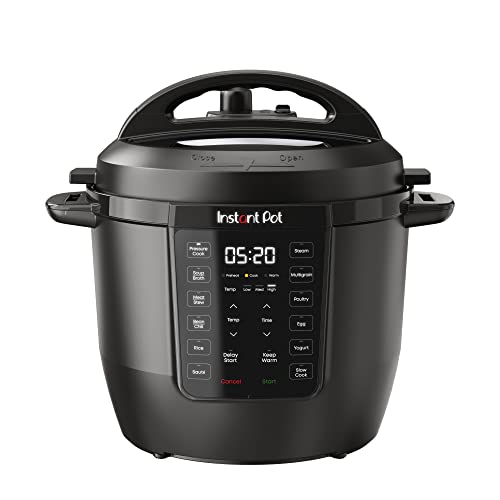
Instant Pot 6QT RIO 7-in-1 Multi-Cooker, Pressure Cooker, Slow cook, Sauté, Steam, Rice Maker, Yogurt, & Warmer, Black, 6 Quarts
7 Cooking Functions: Pressure cook, slow cook, sauté, steam, make rice, yogurt, or simply keep your meal warm—all...
As an affiliate, we earn on qualifying purchases.
Conclusion
By 2025, voice search will be a key SEO factor, so don’t ignore it. Think of your content as a conversation—use natural language, clear answers, and long-tail keywords. Picture a customer asking, “Where’s the best coffee shop near me?” and your site providing a quick, friendly reply. Embracing voice search now guarantees you stay ahead, reaching more people effortlessly. Don’t wait—adapt today and watch your visibility grow!

Crock-Pot MultiMeal Multicooker and Programmable Slow Cooker with Bake Function Oat Milk
Make Multiple Meals with Just One Appliance: Cook multiple recipes at one time, with dual-pot temperature and cook...
As an affiliate, we earn on qualifying purchases.

Instant Pot Duo 7-in-1 Electric Pressure Cooker, Slow Cooker, Rice, Steamer, Sauté, Yogurt Maker, Warmer & Sterilizer, Includes App With Over 800 Recipes, Stainless Steel, 6 Quart
7 Cooking Functions: Pressure cook, slow cook, sauté, steam, make rice, yogurt, or simply keep your meal warm—all...
As an affiliate, we earn on qualifying purchases.