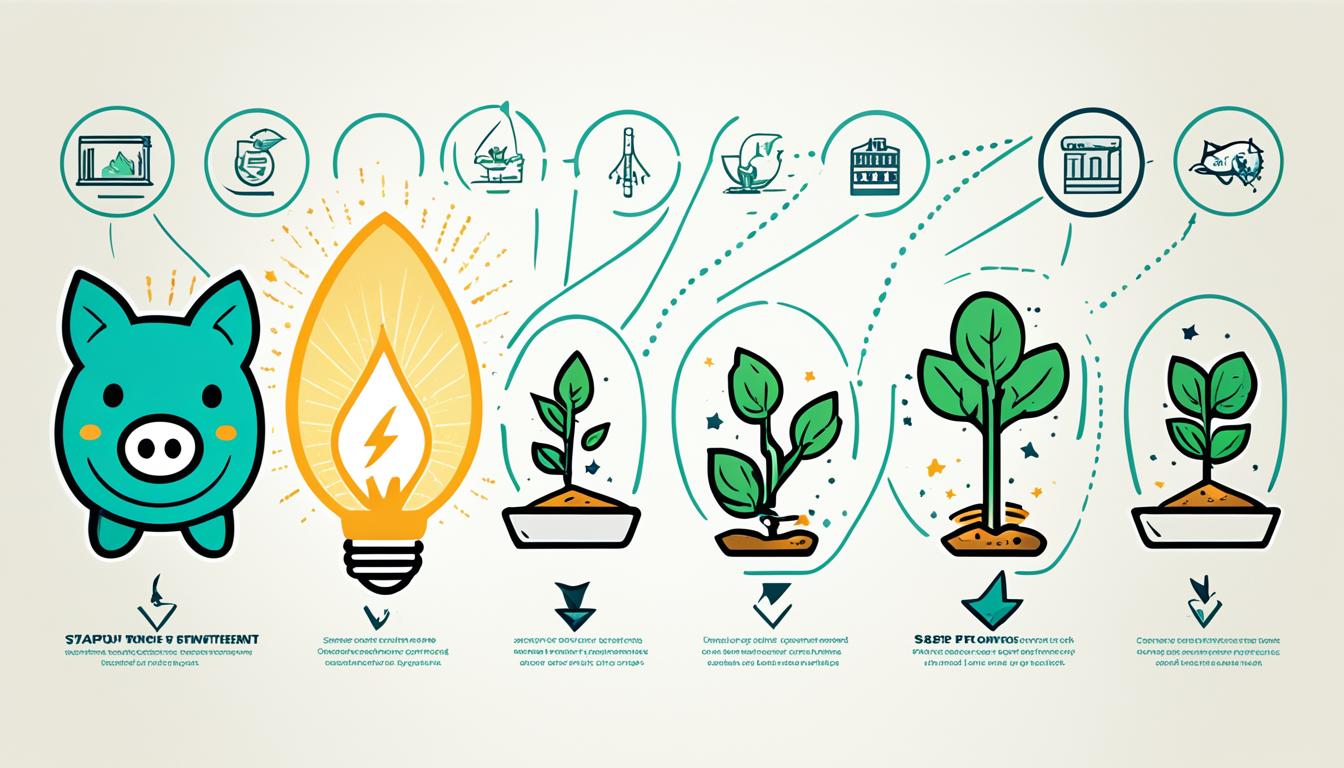
In Web3, you can enhance fundraising by using tokenization to turn assets into digital tokens that investors can easily buy, sell, or trade. Smart contracts automate processes like token issuance, distribution, and investor verification, making the whole process transparent and secure. Liquidity pools and decentralized exchanges further boost token utility by enabling continuous trading and establishing clear market values. Keep exploring to uncover how these technologies can transform your fundraising strategies.
Key Takeaways
- Web3 enables fundraising through tokenization, allowing digital assets to represent ownership or participation in projects.
- Smart contracts automate and secure the issuance, distribution, and management of tokens during fundraising campaigns.
- Tokenized fundraising expands access for diverse investors and enhances project visibility via active token trading.
- Liquidity pools and decentralized exchanges facilitate continuous token trading, establishing market value and increasing token utility.
- Automated processes and best organizational practices improve efficiency, transparency, and liquidity in Web3 fundraising efforts.

Web3 has revolutionized fundraising by enabling tokenization, which allows projects to raise capital through digital assets. Instead of relying solely on traditional methods like venture capital or public offerings, you can now create tokens that represent ownership or participation in a project. These tokens are often built on blockchain platforms using smart contracts, which automate and enforce the rules of the transaction without intermediaries. When you launch a tokenized fundraising campaign, you’re fundamentally issuing digital assets that investors can buy, sell, or trade, offering liquidity and accessibility that weren’t possible before.
Smart contracts play an indispensable role in this process. They act as self-executing agreements that manage the issuance and distribution of tokens, ensuring transparency and security. Once deployed, a smart contract can handle all aspects of fundraising—collecting investments, verifying participant eligibility, and distributing tokens—without needing manual oversight. This automation reduces the risk of fraud and errors, making your fundraising process more trustworthy and efficient. Plus, smart contracts can be programmed to include specific conditions, like vesting periods or voting rights, giving you greater control over how tokens are used and allocated.
Liquidity pools further enhance the ecosystem by providing a way for tokens to be traded and valued continuously. When you create a liquidity pool, you’re fundamentally pairing your tokens with other assets on a decentralized exchange (DEX). Investors can then swap tokens seamlessly, which helps establish a market price and makes your project more attractive to potential backers. Having a liquidity pool means your tokens aren’t just locked in a wallet or a vault; they’re actively circulating, increasing their utility and appeal. This liquidity encourages more trading activity, which can lead to higher valuation and broader exposure for your project. Additionally, adopting practices like maximizing space and organization can help in managing the process efficiently.
Frequently Asked Questions
How Do Tokens Maintain Value Stability Over Time?
You can maintain token value stability by managing market volatility and controlling token inflation. By implementing mechanisms like supply caps, burn protocols, or stabilization funds, you help reduce sudden price swings. Regularly monitoring market trends allows you to adjust strategies proactively. Engaging your community and ensuring transparent governance also builds trust, encouraging holding rather than speculative trading, which ultimately helps preserve your tokens’ value over time.
What Legal Issues Surround Web3 Token Fundraising?
You should know that over 60% of Web3 token fundraising projects face legal challenges, mainly around regulatory compliance and intellectual property. You need to navigate complex laws, as unregistered offerings can lead to penalties. Protecting intellectual property rights is vital, too, since unauthorized use can cause disputes. Staying informed about evolving regulations and consulting legal experts can help you avoid costly legal issues and guarantee your project’s success.
Can Traditional Investors Participate in Web3 Token Sales?
Yes, traditional investors can participate in Web3 token sales, but you need to be aware of initial investor requirements and regulatory compliance. You’ll often need to verify your identity and meet accreditation standards depending on the jurisdiction. Make sure the token sale adheres to local securities laws to avoid legal issues. Doing due diligence ensures your involvement aligns with regulations, protecting your investment and supporting a compliant fundraising process.
How Is Investor Protection Ensured in Decentralized Fundraising?
You’re protected in decentralized fundraising through smart contract security measures that prevent breaches and fraud. Additionally, regulatory compliance guarantees that fundraising adheres to legal standards, safeguarding your investment. Developers often implement audits and security protocols, while regulators may impose rules to prevent misuse. Although risks remain, these protections help you participate more confidently, knowing that both technical safeguards and legal frameworks work together to shield your interests.
What Are the Best Practices for Token Liquidity Management?
You should prioritize managing token liquidity by implementing token lockups to prevent sudden sell-offs and maintain stability. Regularly monitor and adjust liquidity pools to ensure sufficient liquidity for trading without risking overexposure. Keep transparent communication with your community about lockup periods and pool changes. These best practices help sustain a healthy market environment, attract investors, and prevent liquidity crises in your token ecosystem.
Conclusion
As you explore Web3, remember that tokenization has transformed fundraising, making it more accessible and efficient. For example, over $1 billion has been raised through token sales in just the past year, highlighting its rapid growth. This shift empowers you to participate directly in projects and investment opportunities. Embracing tokenization means you’re at the forefront of a revolutionary fundraising landscape—where your involvement can shape the future of decentralized finance and innovation.