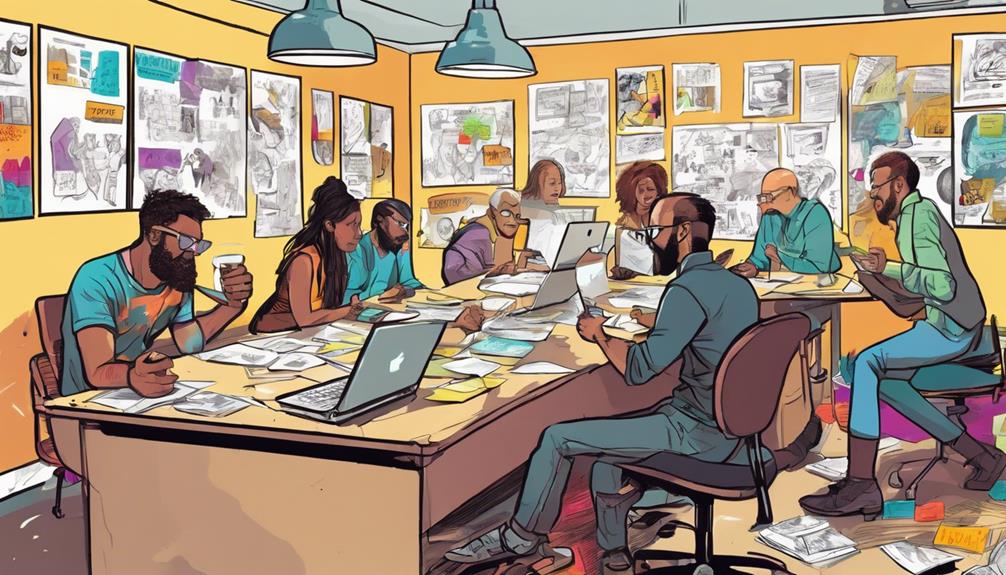
When choosing between your first hire and contractor, consider your immediate needs, budget, and long-term goals. Contractors offer flexibility and lower upfront costs, making them ideal for short-term projects or testing skills without commitments. Conversely, full-time employees foster loyalty, team cohesion, and a shared company culture, vital for long-term growth. We’ll explore more about balancing flexibility with strategic growth to help you make the right decision for your startup.

Get business pricing on office and shipping supplies
- Business-only prices and quantity discounts
- Tax-exempt purchasing
- Multiple users, one account, clear invoices
Key Takeaways
- Contractors offer flexibility and lower immediate costs, ideal for short-term projects and testing skills.
- Hiring employees fosters stronger company culture, loyalty, and long-term knowledge retention.
- Consider workload and growth plans to determine if a permanent hire or contractor aligns with scaling strategies.
- Legal, ethical, and cultural factors influence hiring choices, ensuring compliance and integrity.
- Balancing short-term project needs with long-term strategic goals guides optimal hiring decisions.

When should you hire your first employee versus bringing on a contractor? This is a critical decision that can shape your startup’s growth and stability. If you’re just starting out, your primary concern is often managing your budget considerations. Contractors offer flexibility—they can be hired for specific projects or short-term needs without the long-term financial commitments of full-time employees. You pay them for their work, and once the project ends, so does your obligation. This approach allows you to control costs and test different skill sets without making a permanent commitment. However, it’s vital to evaluate the long-term impact of this choice. Relying heavily on contractors might make your team feel fragmented, and you might miss out on cultivating a cohesive company culture. Contractors generally operate independently, which can limit their integration into your core team and affect communication or alignment on your vision. Additionally, understanding halal business practices can be vital for ensuring your hiring decisions align with your ethical and cultural values.
On the other hand, hiring your first employee can be a game-changer, especially if you see the need for consistent, long-term support. Employees tend to be more invested in your company’s success because they have a stake in its future. This can lead to increased loyalty, better knowledge retention, and a stronger sense of team unity. But, it also comes with higher upfront costs—salary, benefits, taxes, and onboarding expenses—all of which can strain your budget considerations, especially in the early stages. You need to assess whether your current workload justifies a permanent hire or if it’s more cost-effective to bring on a contractor until your business scales further. Making this decision wisely can also involve considering team cohesion and how each option impacts your overall company culture. Moreover, understanding the legal and ethical implications of your hiring choices is essential for maintaining integrity and compliance. Furthermore, considering long-term growth strategies can help you decide whether to invest in employees now or wait until your business becomes more established. As your business grows, scaling your team thoughtfully becomes crucial to maintaining efficiency and quality.
As an affiliate, we earn on qualifying purchases.
Frequently Asked Questions
How Do Legal Liabilities Differ Between Hiring Employees and Contractors?
When deciding between employees and contractors, you should consider legal liabilities—employees come with stricter regulations, benefits, and potential lawsuits, increasing your management challenges. Contractors have fewer legal obligations, reducing liabilities and benefits costs, but you need a thorough benefits analysis to understand the risks. Hiring employees means more control and legal protections, while contractors offer flexibility. Weigh these differences carefully to manage your legal risks effectively.
What Are the Tax Implications of Hiring Employees Versus Contractors?
When you hire employees, you gain access to tax benefits like deducting payroll taxes and health benefits, which can positively impact your financial planning. Contractors, meanwhile, offer flexibility with fewer tax obligations, but you can’t claim employee-related deductions. Carefully weigh these tax implications to optimize your financial strategy, ensuring you comply with regulations while maximizing benefits. Your choice influences your tax responsibilities and overall financial health.
How Can Founders Ensure Compliance With Labor Laws for Both Options?
To guarantee compliance with labor laws, you should stay updated on regulations for both employees and contractors, emphasizing workplace flexibility where applicable. Draft clear agreements that outline each party’s status and responsibilities, fostering transparency. Prioritize building employee loyalty by offering fair wages and benefits, which also promotes legal compliance. Regularly review employment practices and consult legal experts to adapt to any changes, safeguarding your business and maintaining a compliant, positive work environment.
What Are the Long-Term Cost Differences Between Hiring Employees and Contractors?
Imagine you hire a contractor for a project, saving costs initially. Over time, however, employment costs like benefits, taxes, and legal compliance can make employees more expensive. You gain workforce flexibility with contractors, but long-term, employees may be cheaper if your needs are steady. Your recruitment strategies should weigh these costs, considering how predictable your workload is, and whether flexible staffing or full-time hires better suit your growth plans.
How Does Company Culture Influence the Decision to Hire or Contract?
Your company culture plays a big role in deciding whether to hire or contract. If your work environment values close collaboration and long-term team bonds, hiring employees fosters stronger team dynamics. Conversely, if flexibility and specialized skills are priorities, contracting allows you to adapt quickly without impacting culture. Consider how each option aligns with your core values and work environment, shaping the overall team spirit and long-term growth.
Conclusion
Choosing between your first hire and contractor is like planting a seed versus building a scaffold. One grows with your vision, requiring care and commitment, while the other provides immediate support but may not anchor long-term growth. Your decision shapes your startup’s foundation—whether you nurture a team that evolves with you or rely on flexible, short-term help. Weigh your goals carefully; your choice sets the stage for what’s to come.
Columbus Day / Indigenous Peoples' Day Picks
long weekend sales
As an affiliate, we earn on qualifying purchases.