TL;DR

Get business pricing on office and shipping supplies
- Business-only prices and quantity discounts
- Tax-exempt purchasing
- Multiple users, one account, clear invoices
Recent reports involving 7-Eleven, Circle K, Walmart and Five Below have drawn attention to differences between displayed and checkout prices, though the cases involve different circumstances and do not establish intentional overcharging. Shoppers can check scanned prices and receipts, document promotions and ask the store to correct errors; legal protections vary by state.
Recent reports of checkout pricing discrepancies at major retailers, alongside a $179,500 agreement between Five Below and Michigan over allegations involving scanner overcharges and price displays, are prompting renewed attention to what shoppers are charged. The cases describe different circumstances and do not establish that retailers intentionally overcharged customers, but they show why checking scanned prices and receipts can help catch mistakes.
A September investigation by The Guardian found discrepancies at some 7-Eleven and Circle K locations, including cases in which shoppers were charged more than advertised, according to the Kiplinger report. Earlier in the year, TikTok creator Jimmy Wrigg questioned the weights shown on some Walmart packaged meat after finding products whose labeled weights appeared higher than their actual weights. The source does not provide details establishing how widespread either issue was.
More recently, Five Below reached an agreement with Michigan for $179,500 to resolve allegations related to scanner overcharges and problems displaying prices at some stores. Five Below did not admit wrongdoing. The agreement is a resolution of allegations, not proof that every reported pricing discrepancy reflects deliberate conduct.
Price differences can arise when a shelf tag does not match the register, a sale price fails to scan, or a digital coupon, loyalty discount or buy-one-get-one offer does not apply as expected. Items sold by weight can also be mislabeled or weighed incorrectly. For packaged goods, the package’s tare weight—the weight of the container that should be excluded—may affect the net amount charged if it is not deducted properly.
How a Small Price Error Adds Up
A single discrepancy may be small, but repeated errors can add to a household’s grocery or shopping costs, especially when they affect higher-priced items, sale purchases or products sold by weight. Checking the screen during checkout and reviewing the receipt before leaving gives shoppers an opportunity to flag a mismatch while the store can more easily verify the price.
The cases also matter because a shopper’s remedy is not the same everywhere. There is no single nationwide rule requiring every retailer to honor a shelf price when it differs from the register price. State laws and retailer policies determine what may be available, so a shopper should not assume that a remedy offered in one state applies in another.
receipt scanner for price verification
As an affiliate, we earn on qualifying purchases.
As an affiliate, we earn on qualifying purchases.
State Rules Shape Price Remedies
State and local weights-and-measures agencies generally oversee retail price accuracy, while state laws set any additional protections. The source points to several examples. Under Michigan’s Scanner Law, a shopper charged more than the displayed price may be eligible for the difference plus a bonus of 10 times that difference, subject to a minimum of $1 and maximum of $5. The shopper must have a receipt showing the overcharge and notify the seller within 30 days.
California generally requires retailers to charge the lowest posted, quoted or advertised price for which the shopper qualifies; an overcharge does not automatically mean the shopper receives the item for free. Massachusetts provides additional protections for certain grocery and household products, with whether an incorrectly scanned product is free or discounted depending on the retailer’s pricing system and the item’s price. The National Institute of Standards and Technology provides information on state pricing laws and a directory of weights-and-measures agencies.
“The company did not admit wrongdoing.”
— Five Below
What the Reports Do Not Establish
The cited cases do not establish how common checkout discrepancies are across retailers, how many shoppers were affected, or whether the issues were intentional. The source gives no broader rate or comparison baseline for the incidents. Wrigg’s observation about packaged meat raised questions about labeled and actual weights, but the material does not establish the cause or scope of the apparent differences.
The source also does not list every state’s rules or set out the details of each retailer’s voluntary price-accuracy policies. Whether a customer qualifies for a particular refund, discount or other remedy depends on the circumstances, the applicable state or local law, and any conditions attached to the promotion.
Steps to Take at the Register
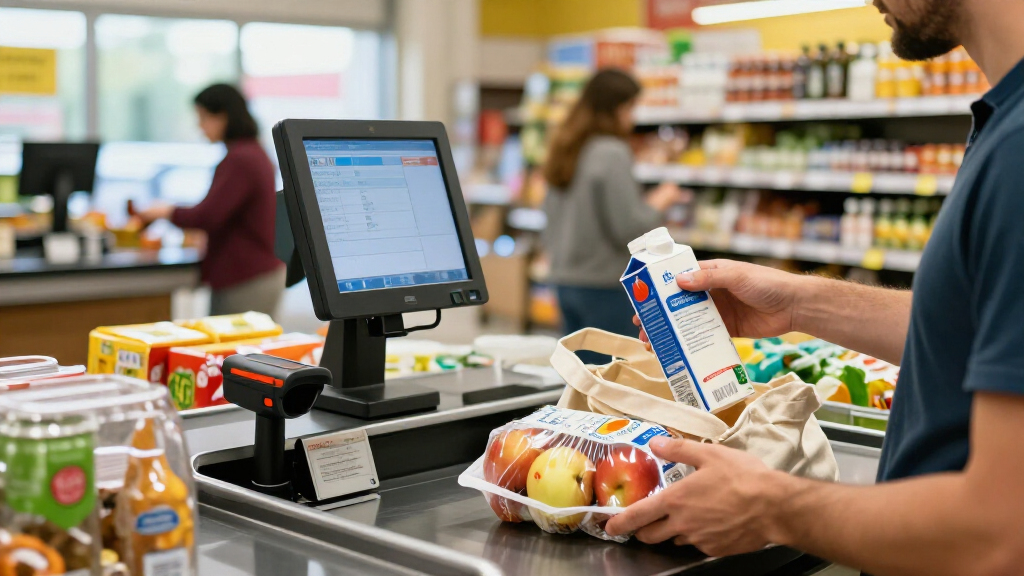
Shoppers can watch prices as items scan, with particular attention to higher-priced purchases and sale items. Before leaving, check the receipt for unexpected prices, duplicate charges and missing discounts. For products sold by weight, compare the listed weight, price per pound and total. Unit prices can help compare package sizes, though they will not catch a product that was itself weighed or labeled incorrectly.
If a shelf sign or promotion is involved, a photo can preserve the displayed price and terms. Keep the receipt, and save a screenshot of any digital coupon or app offer. Bring the records to the cashier or customer service desk and ask the store to check the discrepancy. Customers can also ask whether the retailer has a price-accuracy policy that offers more than the law requires. If the store does not resolve the issue, or a discrepancy appears to recur, contact the relevant state or local weights-and-measures agency; NIST provides a directory. Check the rules and any notice deadlines for the state where the purchase was made.
Key Questions
What should I do if the register price is higher than the shelf price?
Show the receipt to the cashier or customer service desk and explain the difference. A photo of the shelf tag or promotion can help the store verify the price and assess a correction.
Does every U.S. store have to honor the shelf price?
No single nationwide rule requires every retailer to honor a shelf price that differs from the register price. State laws and retailer policies vary, so check the rules where you made the purchase.
How can I check a product sold by weight?
Compare the package’s listed weight, price per pound or other unit, and total price. For packaged items, the container’s tare weight should not be counted as product weight.
Where can I report an unresolved pricing problem?
If the retailer does not resolve the issue, contact your state or local weights-and-measures authority. NIST maintains information on state pricing laws and a directory of weights-and-measures agencies.
Source: rss
Halloween Picks
halloween
As an affiliate, we earn on qualifying purchases.