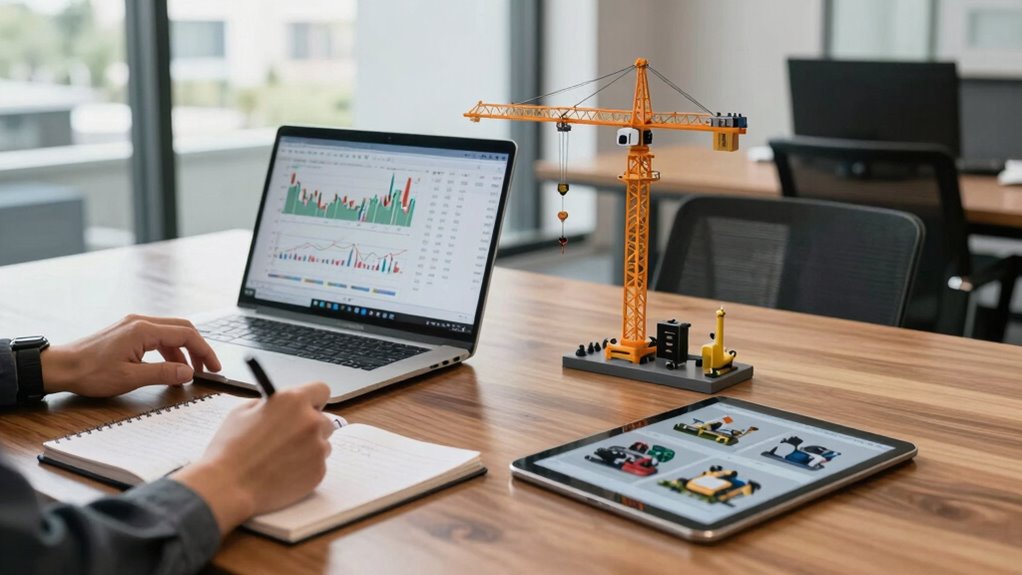

To get equipment financing right as a startup, focus on comparing lease options, considering total costs, and understanding credit requirements. Maintain a solid financial foundation and explore flexible financing sources to avoid overextending your budget. Negotiating lease terms carefully helps you align payments with your cash flow. Keep upgrades and early termination clauses in mind. If you want to make informed decisions and set your business up for success, there’s a lot more to discover.

Get business pricing on office and shipping supplies
- Business-only prices and quantity discounts
- Tax-exempt purchasing
- Multiple users, one account, clear invoices
Key Takeaways
- Compare total lease costs and understand terms like early termination, maintenance, and upgrade options.
- Maintain a strong credit profile or demonstrate financial stability to secure favorable lease conditions.
- Explore alternative financing sources to find flexible and cost-effective equipment funding options.
- Research different leasing providers and negotiate lease terms to align with business goals and budget.
- Consider equipment leasing benefits such as preserving cash flow, avoiding obsolescence, and options to buy or upgrade.
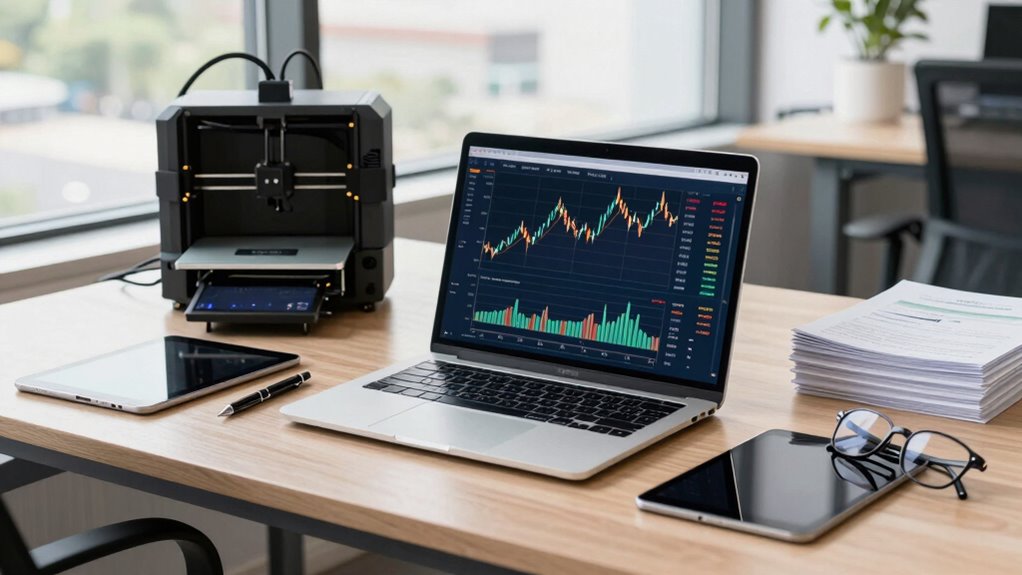
Starting a new business often requires significant equipment investments, and financing can be a smart way to manage those costs. When it comes to equipment financing, you have several options, with leasing being one of the most popular choices. Leasing options allow you to use equipment without the hefty upfront purchase price, making it easier to preserve cash flow during those critical early stages. With leasing, you typically pay a monthly fee over a set period, and at the end of the lease, you may have the option to buy, return, or upgrade the equipment. This flexibility helps you keep up with the latest technology and avoid obsolescence, which is especially valuable for startups trying to stay competitive.
Leasing equipment helps startups preserve cash flow and stay current with technology.
Understanding credit requirements is crucial before you dive into any leasing or financing agreement. Lenders and leasing companies want to see that you have a solid financial foundation, which often means demonstrating good credit history and sufficient cash flow. Some leasing options are more lenient with credit requirements, especially if you’re working with specialized lease providers who focus on equipment rather than personal credit scores. However, generally speaking, a good credit score can help you secure better terms, lower interest rates, and more favorable payment plans. If your credit isn’t perfect, don’t worry—some lenders may still approve your application but might require a larger down payment or charge higher interest rates.
Before you commit to any leasing option, it’s essential to evaluate the total cost over the lease term, including interest and fees. Compare different lease agreements and consider factors like early termination clauses, maintenance responsibilities, and upgrade options. Doing this helps you pick a plan that aligns with your business goals and budget constraints. Also, make sure you understand the credit requirements for each leasing option, as they can vary significantly depending on the provider and the equipment involved. Some companies might prioritize your business plan and revenue projections over your credit score, but most will still want to see financial stability. Additionally, evaluating different financing options can help you find the most cost-effective solution for your startup’s equipment needs, giving you a broader perspective on available funding sources. It’s also beneficial to research alternative financing options, which may offer more flexible terms or better fit your startup’s unique circumstances. Being aware of traditional and alternative financing options can also help you make informed decisions that best suit your business circumstances. Furthermore, understanding the typical credit requirements for leasing can help you prepare and improve your chances of approval. Ultimately, choosing the right leasing options and understanding credit requirements can make or break your equipment financing experience. It’s worth taking the time to research and negotiate terms that work best for your startup. By doing so, you’ll ensure you get the equipment you need without overextending your finances, setting a strong foundation for your business’s growth.
startup equipment leasing options
As an affiliate, we earn on qualifying purchases.
As an affiliate, we earn on qualifying purchases.
Frequently Asked Questions
What Types of Equipment Can Be Financed by Startups?
You can finance a wide range of equipment, including machinery, computers, and office furniture. Equipment leasing is a popular option, allowing you to access essential tools without large upfront costs. Additionally, financing helps with technology upgrades, ensuring your startup stays competitive. Whether it’s manufacturing gear or tech devices, financing makes acquiring necessary equipment easier, so you can focus on growing your business without financial strain.
How Does Equipment Financing Impact Credit Scores?
You might wonder how equipment financing affects your credit scores—here’s the truth. It can impact your credit through credit reporting and loan impact, either positively or negatively. Timely payments boost your credit profile, while missed payments harm it. Keep in mind, new loans might temporarily lower your score, but responsible management can improve it over time. Stay vigilant, and your financing choices will shape your credit future.
Are There Specific Eligibility Criteria for Startup Equipment Financing?
Yes, there are specific eligibility criteria for startup equipment financing. You typically need a solid business plan, good credit score, and proof of income. While startup grants can help you secure funds without debt, equipment leasing offers an alternative. Lenders also consider your industry, cash flow, and collateral. Meeting these criteria increases your chances of approval, making it easier to acquire the equipment your startup needs to grow.
What Are Common Pitfalls to Avoid When Financing Equipment?
To avoid pitfalls when financing equipment, carefully review leasing agreements to understand all terms and avoid hidden fees. Don’t rush vendor negotiations; aim for favorable interest rates and flexible repayment options. Be cautious of overly long lease terms that could lead to higher costs or obsolescence. Always compare offers, read the fine print, and consider your startup’s cash flow to make informed decisions and prevent future financial stress.
How Can Startups Negotiate Better Financing Terms?
To negotiate better financing terms, you should be proactive in vendor negotiation, clearly expressing your needs and budget constraints. Research interest rates beforehand to identify fair offers and leverage competing quotes for better deals. Don’t hesitate to ask for flexible payment plans or reduced fees. Staying informed and confident during negotiations helps you secure more favorable terms, ultimately saving your startup money and improving cash flow.
Conclusion
Think of equipment financing like planting a seed—you need the right tools and timing to grow. When you secure the right financing, it’s like watering your startup’s future, helping your business flourish. Remember, early investments in equipment can boost productivity and competitiveness. Just like a small seed can become a mighty tree, smart financing choices today set the foundation for your startup’s success tomorrow. So, get the right info, and watch your business thrive.
Halloween Picks
halloween
As an affiliate, we earn on qualifying purchases.