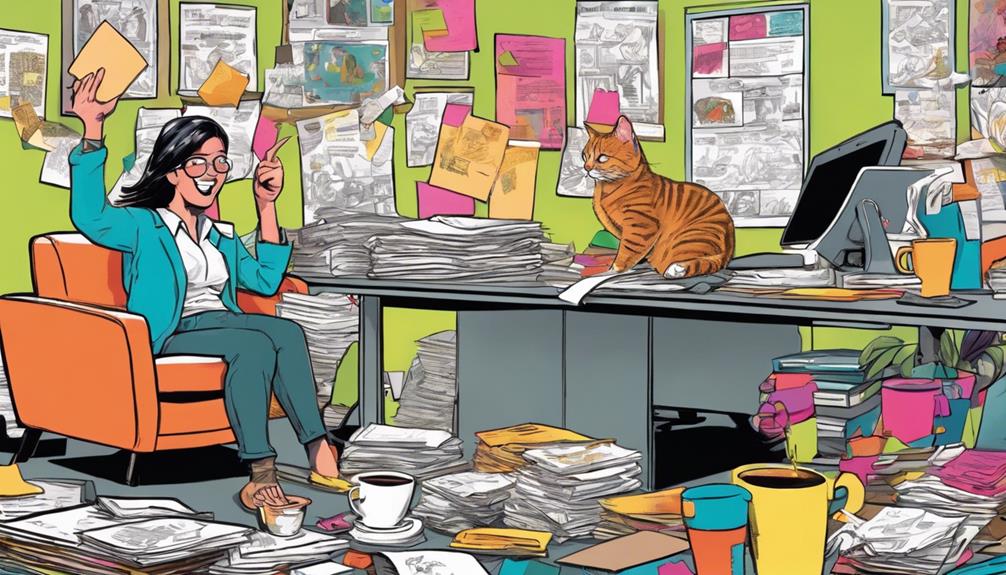
Maintaining a healthy work‑life balance in remote or hybrid work means setting clear boundaries around your work hours and creating a dedicated workspace. Use calendars or task lists to prioritize tasks and break big projects into manageable steps. Take regular breaks from screens and disconnect after work hours to focus on hobbies and self-care. Establish routines that signal the start and end of your workday. Keep exploring for more effective strategies to stay balanced and energized.
Key Takeaways
- Set and adhere to clear work hours, creating physical and mental boundaries to separate work from personal life.
- Use calendars and task lists to prioritize tasks, breaking large projects into manageable steps for better workload management.
- Take scheduled digital breaks and disconnect from work emails after hours to reduce screen fatigue and mental overload.
- Develop routines that signal the start and end of the workday, reinforcing boundaries and promoting work-life separation.
- Incorporate project management techniques to organize tasks efficiently, reducing stress and supporting a sustainable remote or hybrid work routine.

Balancing work and personal life can be challenging, especially with increasing demands from both areas. When you’re working remotely or in a hybrid setup, the lines between professional and personal boundaries often blur. To stay grounded, you need to prioritize effective time management. Set clear work hours and stick to them. Use tools like calendars or task lists to organize your day, so you know exactly what needs to be accomplished and when. This helps prevent work from spilling into your personal time and reduces the feeling of being overwhelmed.
Prioritize effective time management to set clear boundaries and prevent work from encroaching on personal life.
Another essential aspect is taking regular breaks. Short, scheduled pauses during your workday can boost your productivity and mental clarity. During these breaks, consider engaging in a digital detox—step away from screens, emails, and notifications. Disconnecting temporarily helps you recharge mentally and reduces the stress caused by constant connectivity. When you log off at the end of your workday, resist the urge to check work emails or messages. Creating a clear boundary between work and personal life is vital to prevent burnout and to enjoy your free time fully.
Incorporating a digital detox into your routine isn’t just about avoiding screens; it’s about reclaiming your mental space. When you consciously limit your digital exposure, you give yourself the opportunity to focus on hobbies, family, or self-care activities that nourish your well-being. This discipline enhances your overall work-life balance, making it easier to shift between work and personal modes. Remember, managing your digital habits is a form of self-care that supports your mental health and helps you stay present in both areas.
Time management also involves setting realistic goals for each day. Break larger tasks into smaller, manageable steps, so you don’t feel overwhelmed. Prioritize tasks based on urgency and importance, and don’t be afraid to delegate when possible. This approach minimizes last-minute stress and allows you to allocate quality time for yourself and your loved ones. Additionally, establish a dedicated workspace that’s separate from your personal space. This physical boundary helps your brain associate a specific area with work, making it easier to switch off when your workday ends.
Furthermore, understanding project management principles can improve your ability to organize tasks efficiently, reducing overall stress and enhancing your work-life balance. In the end, maintaining work-life balance in remote or hybrid work requires deliberate effort. By honing your time management skills, implementing regular digital detoxes, and setting clear boundaries, you can create a sustainable routine. This not only boosts your productivity but also guarantees you have the space to enjoy your personal life, leading to a healthier, more fulfilling balance.
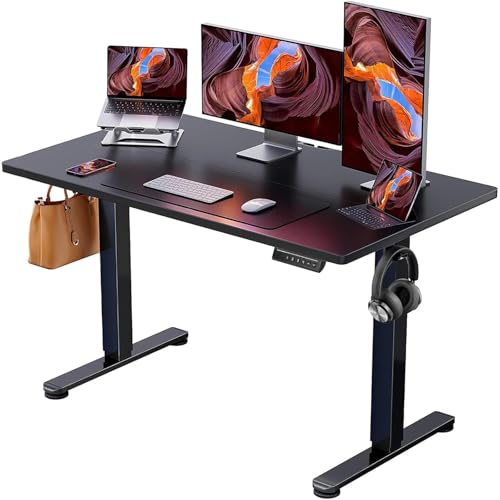
ErGear Height Adjustable Electric Standing Desk, 48 x 24 Inches Sit Stand up Desk, Memory Computer Home Office Desk, Black
Electric Height Adjustable Standing Desk for Comfortable Work – Switch effortlessly between sitting and standing with this electric…
As an affiliate, we earn on qualifying purchases.
As an affiliate, we earn on qualifying purchases.
Frequently Asked Questions
How Can I Set Boundaries With Family During Remote Work?
You can set family boundaries during remote work by clearly communicating your work hours and sticking to them. Let your family know when you’re unavailable to minimize interruptions. Practice noise management by creating a designated workspace and using noise-canceling headphones if needed. Consistently reinforce these boundaries, and encourage your family to respect your work time, helping you stay productive while maintaining a healthy balance.
What Tools Help Track Work Hours Effectively?
Time is your most precious resource, so why let it slip away? Use productivity apps like Toggl, Clockify, or RescueTime to track your work hours effectively. These tools help you manage your time better, identify distractions, and stay focused. By setting clear goals and monitoring your progress, you can maintain control over your work schedule, ensuring you stay productive without sacrificing your personal time.
How Do I Prevent Burnout in a Hybrid Schedule?
To prevent burnout in a hybrid schedule, focus on time management by setting clear boundaries between work and personal time. Prioritize tasks and take regular breaks to reduce stress. Use tools to track your workload and schedule downtime intentionally. Communicate your limits with colleagues and supervisors. By managing your time effectively and practicing stress reduction techniques, you’ll maintain a healthier balance, preventing burnout and fostering well-being.
What Are Signs of Work-Life Imbalance to Watch For?
You may notice stress indicators like irritability, fatigue, or difficulty concentrating, signaling a work‑life imbalance. Poor time management can lead to missed personal activities or constant work interruptions. If you find yourself working late regularly, neglecting self-care, or feeling overwhelmed, it’s time to reassess your boundaries and routines. Staying aware of these signs helps you address issues early, ensuring you maintain a healthier balance between work and personal life.
How Can Employers Support Employees’ Well-Being Remotely?
You can support employees’ well-being remotely by implementing mental health initiatives and offering flexible scheduling. Encourage open conversations about mental health and provide resources or counseling options. Flexibility helps employees manage their personal and professional lives better, reducing stress. Regular check-ins and promoting a healthy work environment also show you value their well-being. This proactive approach fosters engagement, productivity, and a positive remote work culture.

Antonki 2 Pack Digital Timer for Kids, Magnetic Countdown Kitchen Timers for Cooking, Egg, Classroom, Teacher, Exercise, Study, Oven – Battery Included
Count up & Countdown timer. You must want a reliable timer to know when to start or stop…
As an affiliate, we earn on qualifying purchases.
As an affiliate, we earn on qualifying purchases.
Conclusion
Remember, maintaining work-life balance isn’t just a goal—it’s your anchor in the storm of remote and hybrid work. As you set boundaries and prioritize self-care, you’re not just working smarter, but living better. Think of your balance as a delicate dance—miss a step, and the rhythm falters. Stay mindful, stay proactive, and let your well-being be the lighthouse guiding you through the waves of work and life.

Dreamegg Portable Noise Machine for Baby Adult, Features Powerful Battery, 21 Soothing Sound, Noise Canceling for Office & Sleeping, Sound Therapy for Home, Travel, Registry Gift, Classic White
【COMPACT BUT POWERFUL】- D11 Max has more skills. Designed for all things sleep, this sound machine comes with…
As an affiliate, we earn on qualifying purchases.
As an affiliate, we earn on qualifying purchases.

ADHD Daily Planner – Productivity & Undated Task Management Organizer for Neurodivergent Adults, Focused Planner for Men & Women – B5 Colorful Flowers
Stay Organized and Focused: This planner is specifically designed to help individuals with ADHD or busy lifestyles prioritize…
As an affiliate, we earn on qualifying purchases.
As an affiliate, we earn on qualifying purchases.