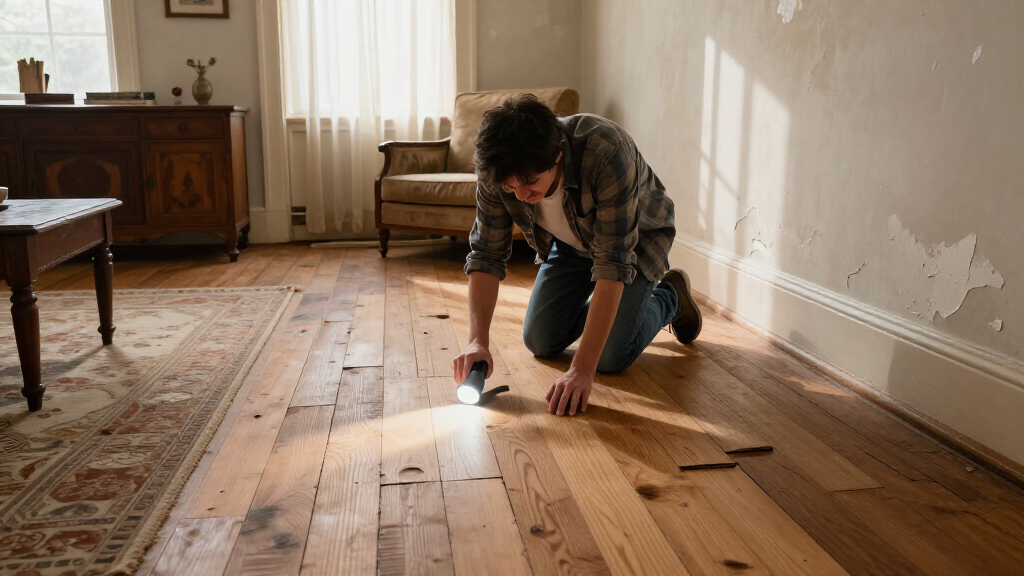

📊 Full opportunity report: Pre-Demo Condition Reports: Your First Step In Old Home Renovation Risks on IdeaNavigator AI — validation score, market gap, and execution plan.

Get business pricing on office and shipping supplies
- Business-only prices and quantity discounts
- Tax-exempt purchasing
- Multiple users, one account, clear invoices
TL;DR
A new approach offers pre-demic condition reports for pre-1980 homes, helping DIY buyers assess hidden hazards before renovation. This could lower costs and risks for homebuyers and contractors.
IdeaNavigator AI is launching a pilot service that provides pre-demo condition verdicts for homes built before 1980, targeting DIY buyers renovating on weekends and savings. This development aims to help buyers identify hidden hazards such as asbestos, lead paint, and outdated wiring before demolition begins, potentially saving thousands of dollars and preventing delays. The service offers a wall-by-wall assessment based on guided phone scans and mail-in test kits, providing early insights into renovation risks.
The new service is designed specifically for DIY millennial buyers purchasing older homes for renovation. It involves guided phone scans of key areas such as electrical panels, crawlspaces, and supply lines, along with mail-in kits for testing suspect materials like asbestos and lead-based paint. The goal is to deliver a comprehensive wall-by-wall report on likely hazards and opening costs before the actual demo work begins.
This approach addresses a common problem: many older homes appear structurally sound until walls are opened, revealing hazards that can halt work or lead to unexpected expenses. Currently, buyers rely on home inspections, which often cannot detect hidden issues until demolition exposes them. The new service aims to provide a more proactive, cost-effective assessment that can be completed remotely, reducing the risk of surprises and overrun costs.
Why Pre-Demo Condition Reports Matter for Old Home Buyers
This development is significant because it offers a new risk mitigation tool for a large segment of the housing market: homes built before 1980, many of which contain hazardous materials like asbestos, lead paint, and outdated wiring. With most affordable starter homes now pre-dating 1980, especially in markets with aging housing stock, these reports could help buyers avoid costly delays and safety hazards.
By providing early, remote assessments, the service could lower the financial and safety risks associated with renovation, making older homes more accessible and affordable for DIY buyers. It also creates a new revenue stream for companies offering risk assessment and remediation estimates, potentially transforming how pre-demo evaluations are conducted.
asbestos test kit for home renovation
As an affiliate, we earn on qualifying purchases.
As an affiliate, we earn on qualifying purchases.
Background of Risks in Older Homes and Market Need
Many homes built before 1980 contain materials and systems that pose health and safety risks, including asbestos insulation, lead-based paint, cloth-wrapped wiring, and galvanized pipes. Traditionally, these hazards are only discovered after walls are opened during renovation, often leading to costly delays. Home inspections typically do not detect hidden hazards, leaving buyers exposed to surprises after purchase.
As the housing stock ages, especially in markets with limited affordable options, more buyers are undertaking DIY renovations, often on weekends and with limited budgets. This increases the importance of pre-emptive assessments that can be done remotely. The idea of guided phone scans and mail-in testing kits is emerging as a practical solution, with companies like IdeaNavigator AI pioneering this approach.
Uncertainties Around Accuracy and Adoption of the Service
It is not yet clear how accurately the remote assessments will predict hazards exposed during actual demolition. The pilot program is still in early stages, and validation involves comparing predictions against what is revealed during demo. The willingness of DIY buyers to adopt and pay for this service remains uncertain, as does the scalability of the approach across different markets. Further testing and user feedback are needed to confirm its effectiveness and market acceptance.
Next Steps for Pilot Testing and Market Validation
IdeaNavigator AI plans to sell initial verdicts to twenty buyers planning to demo their homes, then compare these predictions to actual findings during demolition. The company will analyze the accuracy of the assessments and measure buyer willingness to refer the service. Based on results, further refinements and broader rollout are expected. Stakeholders are watching whether this approach can become a standard part of pre-renovation planning for older homes.
Key Questions
How reliable are remote pre-demo assessments compared to traditional inspections?
Reliability is still being tested through pilot programs. Early results will compare predictions with actual hazards exposed during demolition, but full validation is ongoing.
What materials can the mail-in kits test for?
The kits are designed to detect hazardous materials like asbestos, lead paint, and other common older home hazards.
How much does the service cost?
The company plans to offer a fixed fee per house for the wall-by-wall verdicts, with additional charges for remediation quotes or contractor matching.
Will this service be available nationwide?
Availability depends on pilot results and regional testing, but the goal is to expand as the model proves effective.
Can this help prevent costly delays in renovation projects?
Yes, by identifying hazards early, it aims to reduce surprises during demolition, potentially saving thousands and avoiding project delays.
Source: IdeaNavigator AI
Fall Picks
fall essentials
As an affiliate, we earn on qualifying purchases.