To foster continuous learning in your organization, lead by example and prioritize learning as a core value. Provide diverse resources like workshops, online courses, and informal knowledge-sharing sessions. Encourage collaboration, recognize efforts, and link development to organizational goals. By creating a supportive environment that embraces curiosity and growth, you’ll boost innovation and adaptability. Keep exploring ways to strengthen your learning culture, and you’ll open even greater team success.
Key Takeaways
- Establish a strong learning culture by prioritizing ongoing development and encouraging curiosity among all employees.
- Lead by example, with leaders sharing their learning journeys and demonstrating commitment to growth.
- Provide diverse learning resources like workshops, online courses, and mentorship programs to facilitate continuous skill development.
- Promote collaboration through peer-to-peer knowledge sharing and recognize efforts to motivate ongoing learning.
- Align learning initiatives with organizational goals, regularly updating strategies to ensure relevance and measurable impact.

Have you ever wondered how organizations stay competitive in a rapidly changing world? The answer often lies in fostering a strong learning culture within your workplace. When learning becomes a core value, it encourages continuous skill development among your team members, ensuring they stay current with industry trends and emerging technologies. This proactive approach to growth helps your organization adapt quickly to shifts in the marketplace and maintain a competitive edge.
Creating a learning culture starts with leadership. You need to set the tone from the top, demonstrating that learning is a priority for everyone. When leaders openly share their own learning journeys and invest in their development, it encourages others to follow suit. This openness fosters an environment where curiosity is welcomed, and mistakes are viewed as opportunities to learn rather than failures. As a result, your team feels empowered to seek out new knowledge and develop their skills without fear of judgment.
To truly embed skill development into your organization’s fabric, you should provide accessible learning resources and opportunities. This might include workshops, online courses, mentorship programs, or even informal knowledge-sharing sessions. By making learning a regular part of the work routine, you help remove barriers that can hinder growth. When employees see that skill development is supported and valued, they’re more likely to engage actively, which benefits both their personal growth and your organization’s overall performance.
Encouraging collaboration is also essential in fostering continuous learning. When your team members share insights and experiences, they create a dynamic environment where knowledge flows freely. This peer-to-peer learning accelerates skill development, as employees learn from each other’s successes and mistakes. Additionally, offering recognition or incentives for those who pursue further development can motivate others to follow suit, creating a ripple effect that strengthens your learning culture.
Finally, you must embed learning into your organization’s strategic goals. Regularly reviewing and updating your development initiatives ensures they remain aligned with your business objectives. By tying skill development to tangible outcomes, you make continuous learning a clear priority and demonstrate its impact on your organization’s success. When employees see that their growth directly contributes to the company’s achievements, they’re more motivated to invest in their own development. Incorporating learning frameworks can further streamline and enhance this process, ensuring consistent progress across all levels of your organization.

The Art of Teamwork: Mastering Team Dynamics (Virversity Online Courses: Leadership and Management)
As an affiliate, we earn on qualifying purchases.
As an affiliate, we earn on qualifying purchases.
Frequently Asked Questions
How Can Leadership Effectively Model Continuous Learning Behaviors?
You can effectively model continuous learning behaviors by embracing a leadership role that emphasizes learning exemplification. Show your team you’re committed to growth by sharing your learning experiences, seeking feedback, and taking on new challenges openly. Demonstrate curiosity and adaptability in your actions, encouraging others to follow suit. When leaders prioritize their own development, it creates a culture where continuous learning becomes an integral part of everyone’s work.
What Are the Best Tools for Tracking Employee Learning Progress?
You should use learning analytics tools to track employee progress effectively. These tools provide real-time data on skill development and help identify areas for improvement. Platforms like LMS dashboards, skill-tracking software, and personalized learning apps enable you to monitor engagement and competency growth. By leveraging these tools, you can tailor development plans, motivate employees, and guarantee continuous learning aligns with organizational goals.
How Do You Motivate Reluctant Employees to Participate in Learning Initiatives?
Think of motivating reluctant employees as lighting a fire under them. You can do this with gamification strategies that make learning fun and engaging. Peer mentoring also acts like a guiding hand, making employees feel supported and valued. Offer small wins, recognize progress, and foster a culture of growth. This approach transforms resistance into enthusiasm, turning learning into a journey everyone wants to be part of.
What Role Does Company Culture Play in Fostering Continuous Learning?
Company culture is vital in fostering continuous learning by promoting openness to workplace diversity and encouraging organizational agility. When your culture values diverse perspectives, employees feel safe sharing ideas and learning from each other. By emphasizing agility, you empower your team to adapt quickly and embrace new skills. This environment motivates everyone to participate actively in learning initiatives, ultimately driving innovation and growth within your organization.
How Can Organizations Measure the Impact of Learning Programs?
Did you know organizations that use learning analytics see a 20% boost in training ROI? To measure your programs’ impact, track engagement, knowledge retention, and performance improvements. Use ROI assessment methods like pre- and post-training tests, surveys, and performance data analysis. Regularly reviewing these metrics helps you understand what works, optimize learning initiatives, and demonstrate real value to stakeholders, ensuring continuous improvement in your learning strategies.

Mentoring Programs That Work
As an affiliate, we earn on qualifying purchases.
As an affiliate, we earn on qualifying purchases.
Conclusion
By embracing continuous learning, you create a more adaptable and innovative organization. Remember, companies that prioritize learning are 92% more likely to innovate and stay ahead of the competition. So, encourage curiosity, provide growth opportunities, and foster a culture where learning is part of your everyday routine. When you invest in your team’s development, you’re not just improving skills—you’re building resilience and future-proofing your organization for whatever comes next.
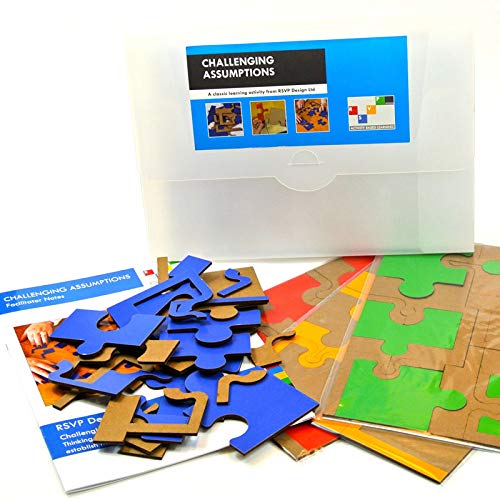
Trainers Warehouse RSVP – Challenging Assumptions: Creative Problem Solving Activity for Team Building, Leadership Training, and Innovation Workshops – Includes Puzzles & Facilitator Guide
Boost Creative Problem Solving in Minutes – This fast-paced activity (10–20 min) helps teams uncover hidden assumptions, spark…
As an affiliate, we earn on qualifying purchases.
As an affiliate, we earn on qualifying purchases.

Giving back! Life and Leadership from the Farm to the Combat Zone and Beyond: Leaders are appointed and anointed only by their peers and followers
As an affiliate, we earn on qualifying purchases.
As an affiliate, we earn on qualifying purchases.