

To balance autonomy and oversight, set clear boundaries and expectations for each role based on task complexity. Permit employees to make decisions within their scope, encouraging initiative and productivity, while maintaining regular check-ins to guarantee alignment with goals. Building trust through fair control reduces micromanagement and boosts engagement. Focus on creating a flexible environment where oversight supports growth without stifling independence—continuing will reveal practical tips to achieve this balance effectively.
Key Takeaways
- Clearly define the scope of autonomy for each role based on task complexity and importance.
- Establish transparent communication of expectations, boundaries, and decision-making limits.
- Foster a culture of trust through fair, consistent oversight and respect for employee independence.
- Use regular check-ins and real-time tools to monitor progress without micromanaging.
- Continuously evaluate and adjust the balance, tailoring support to individual team members’ capabilities.

Achieving the right balance between autonomy and oversight is fundamental for effective decision-making and organizational success. When you empower employees with independence, you foster innovation, motivation, and ownership of their work. However, too much employee independence without proper managerial control can lead to inconsistency, mistakes, or a lack of alignment with organizational goals. Striking this balance requires understanding how to grant autonomy while maintaining sufficient oversight to guide performance and ensure accountability.
Balancing autonomy and oversight is key to guiding performance and fostering innovation within your organization.
You need to recognize that employee independence isn’t about relinquishing control; it’s about creating a framework in which employees are trusted to make decisions within clear boundaries. This approach encourages initiative and problem-solving, which ultimately boosts productivity. At the same time, managerial control remains indispensable in setting expectations, establishing guidelines, and monitoring progress. It’s a dynamic process where control isn’t about micromanaging but about providing strategic direction and support. When you provide this balance, employees feel empowered to take ownership, but they also know when to seek guidance or escalate issues.
To implement this effectively, you should define the scope of autonomy for each role. Not all tasks require the same level of independence, and understanding this helps prevent either overreach or unnecessary oversight. For example, routine tasks might be delegated with minimal supervision, while complex or high-stakes decisions require closer managerial control. Clear communication of expectations and boundaries is essential so that your team knows when they have freedom and when they need approval or input. Regular check-ins and feedback sessions enable you to maintain oversight without stifling independence. These interactions should be supportive, focusing on development rather than micromanagement.
Developing a culture of trust is also fundamental. When employees see that their independence is respected and that managerial control is applied fairly and consistently, they become more engaged and responsible. Trust reduces the need for constant monitoring and allows you to focus on strategic oversight. Additionally, utilizing technology—such as project management tools—can give you real-time insights into progress while still respecting employee autonomy. This way, you maintain visibility without intrusive supervision.
Finally, understanding the importance of empowering seniors with personalized in-home care can serve as a model for balancing autonomy and oversight in organizational settings, emphasizing tailored support to meet individual needs. Ultimately, balancing autonomy and oversight isn’t a one-time effort but an ongoing process. It requires flexibility, good judgment, and a clear understanding of your team’s capabilities. When you find this balance, you create an environment where employees feel trusted and motivated, and your organization benefits from efficient decision-making and cohesive progress toward shared goals.

Project Manager – Management Planning Execution Projects T-Shirt
Are you a Project Manager? Are you looking for a Design for someone who is responsible for organizing…
As an affiliate, we earn on qualifying purchases.
As an affiliate, we earn on qualifying purchases.
Frequently Asked Questions
How Do Different Industries Approach Balancing Autonomy and Oversight?
Different industries approach balancing autonomy and oversight by promoting employee empowerment while managing risks effectively. You might see tech companies giving teams independence to innovate, backed by strong risk management protocols. In finance, strict oversight ensures compliance, but employees still get autonomy to make decisions within set boundaries. Healthcare emphasizes oversight for safety, yet empowers practitioners to act swiftly. Each industry tailors strategies to foster innovation without compromising control or safety.
What Are Common Challenges Faced When Implementing This Balance?
When implementing this balance, you often face challenges like maintaining employee empowerment while ensuring effective risk management. You might struggle with setting boundaries that prevent risky decisions without stifling innovation. Balancing trust and control can be tough, as too much oversight hampers autonomy, yet too little increases vulnerabilities. You need clear guidelines and open communication to foster responsible independence while safeguarding your organization from potential risks.
How Does Organizational Size Affect Autonomy-Oversight Strategies?
Did you know that organizations with fewer than 50 employees tend to favor decision decentralization more than larger ones? In smaller companies, you can often implement more autonomy because hierarchical structures are flatter. Larger organizations typically require stricter oversight to coordinate activities across departments. So, your strategy should adapt: with fewer employees, empower decision-making; with more, establish clear oversight channels to maintain control.
What Role Does Corporate Culture Play in This Balance?
You recognize that corporate culture profoundly influences how leadership impacts this balance. A culture that values trust and openness encourages leadership to empower employees with autonomy while maintaining necessary oversight. When employee empowerment is prioritized, you foster innovation and accountability. Leadership influence shapes these dynamics, ensuring oversight supports autonomy rather than hinders it. Ultimately, a strong, positive culture helps you achieve a healthy balance, boosting engagement and organizational effectiveness.
Are There Technological Tools That Facilitate Optimal Oversight?
You can use AI monitoring and data analytics tools to facilitate ideal oversight. AI monitoring provides real-time insights into employee activities and compliance, while data analytics helps identify patterns and potential issues before they escalate. By leveraging these technologies, you stay informed without micromanaging, ensuring accountability while respecting autonomy. These tools empower you to make data-driven decisions, maintaining a healthy balance between oversight and independence within your organization.
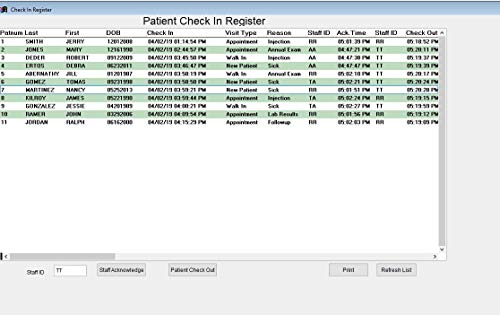
Impresario Medical PATIENT CHECK IN Software Single PC for Windows 7,8,10,11 | Paperless Check In and Check Out for a Medical or Dental Practice or Clinic | Patient Register Log for Patient Sign In.
As an affiliate, we earn on qualifying purchases.
As an affiliate, we earn on qualifying purchases.
Conclusion
Finding the right balance between autonomy and oversight isn’t about tightening controls or loosening freedoms, but gently guiding the flow. When you soften your approach, you create space for trust to grow naturally, allowing innovation to flourish without feeling stifled. Embrace subtle guidance, and you’ll foster an environment where independence thrives alongside support. Remember, a gentle touch often leads to the most harmonious outcomes, helping everyone feel empowered while staying aligned with shared goals.

Leader Tools 160 Team Building Cards for Managers – Build Trust & Improve Team Performance – 4 Categories from Light Icebreakers to Strategic Team Questions – for Meetings, 1-on-1s & Team Offsites
100% Work-Safe, Zero Pre-Screening Needed – Every card tested with real teams across all hierarchy levels. No awkward…
As an affiliate, we earn on qualifying purchases.
As an affiliate, we earn on qualifying purchases.

Delegation Organizer: A task assignment, planning and monitoring notebook for business, school and organizational leaders.
As an affiliate, we earn on qualifying purchases.
As an affiliate, we earn on qualifying purchases.