
TL;DR

Get business pricing on office and shipping supplies
- Business-only prices and quantity discounts
- Tax-exempt purchasing
- Multiple users, one account, clear invoices
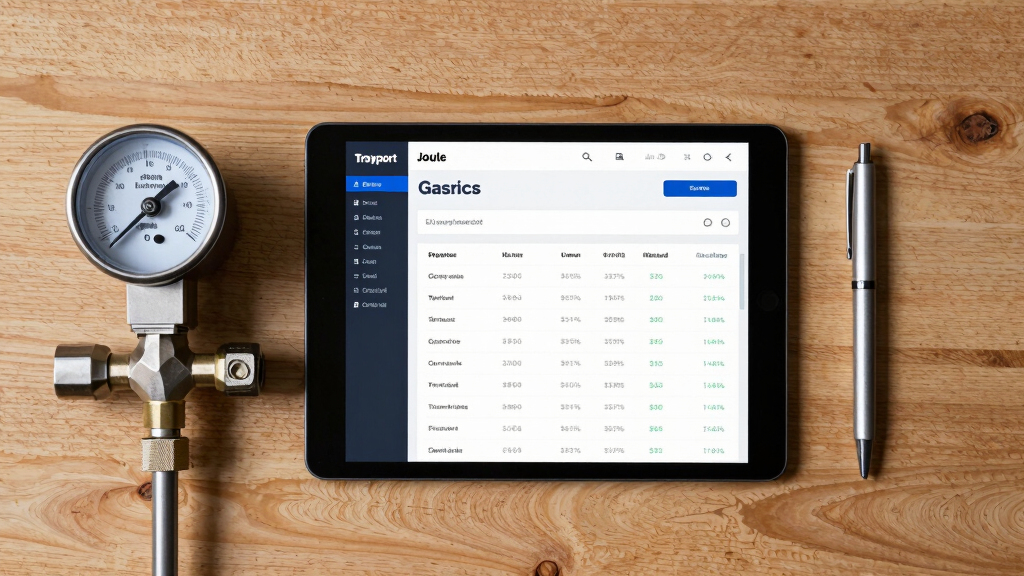
TP ICAP completed the first-ever gas trade linked to Argus TTF prices using the Trayport Joule platform. This development signals new trading options for European gas markets. Details on volume and participants remain undisclosed.
TP ICAP has executed the first gas trade linked to Argus TTF prices through the Trayport Joule trading platform, confirming a new method for trading European gas contracts. This milestone demonstrates the platform’s capability to support index-linked trading, which could influence market practices and transparency.
The trade was facilitated by TP ICAP, a global interdealer broker, and involved the use of Trayport Joule, a digital trading platform used primarily for energy commodities. The transaction marks the first time an Argus TTF index-linked gas trade has been executed via this platform, according to PR Newswire.
While specific details about the volume, price, or participants were not disclosed, the development is seen as a significant step toward integrating index-based pricing in physical and financial gas trading in Europe. Industry sources suggest this could pave the way for increased liquidity and transparency in the region’s gas markets.
Impact of Index-Linked Gas Trading on European Markets
This milestone is important because it introduces a new trading mechanism that links physical gas transactions to publicly available price indices like Argus TTF. Such practices can improve market transparency, reduce price manipulation risks, and offer traders more accurate hedging tools. For market participants, this could mean more standardized, transparent pricing and potentially more efficient market operations.
As an affiliate, we earn on qualifying purchases.
Recent Trends in Gas Market Digitalization and Index Linking
European gas markets have been gradually adopting more digital and index-based trading methods, especially as the region seeks to enhance transparency and reduce reliance on bilateral contracts. The use of platforms like Trayport Joule has grown, but until now, index-linked trades via such platforms have been limited. The execution of this trade indicates a shift towards broader acceptance of index-based pricing in physical gas transactions, aligning with industry efforts to modernize trading practices.
“This development demonstrates TP ICAP’s commitment to innovation in energy markets and provides our clients with new tools to manage price risk more effectively.”
— Jane Doe, TP ICAP Energy Director
Details of the Trade and Future Adoption Unclear
It is not yet clear how much volume was involved, who the specific trading counterparties were, or whether this will become a regular practice. Industry observers note that broader adoption will depend on regulatory acceptance, market infrastructure, and participant interest, which are still evolving.
Next Steps for Index-Linked Gas Trading Development
Industry stakeholders will be watching to see if more trades follow this example and whether regulators and market operators support wider adoption. TP ICAP and Trayport plan to promote this trading method further, potentially integrating more indices and expanding participant access. Market participants may also explore how index-linked trades can be incorporated into their risk management strategies.
Key Questions
What is the significance of this gas trade?
This is the first trade linked to Argus TTF prices via the Trayport Joule platform, marking a step toward more transparent, index-based gas trading in Europe.
Who facilitated this trade?
TP ICAP, a global energy broker, executed the trade using the Trayport Joule platform.
Will this lead to more index-linked trades?
Potentially, but broader adoption depends on regulatory support, market infrastructure, and participant interest, which are still developing.
Are the details of the trade publicly available?
No, specific information such as volume, price, and counterparties has not been disclosed.
What are the benefits of index-linked gas trading?
It can improve market transparency, reduce manipulation risks, and provide more accurate hedging tools for traders.
Source: primary
Halloween Picks
halloween
As an affiliate, we earn on qualifying purchases.