
Tipping practices in New York City are evolving as recent wage increases reshape the delivery landscape. With the minimum wage for delivery workers now at $17.96 per hour, customers are encouraged to tip post-delivery, directly benefitting drivers. Companies like DoorDash have extended tipping windows to 30 days, ensuring that drivers receive 100% of their gratuities. Meanwhile, rising customer fees are reshaping how people view delivery costs. As industry leaders adapt to these changes, a greater emphasis on fair compensation may redefine customer attitudes and behaviors around tipping, hinting at a new chapter in the service industry.

Get business pricing on office and shipping supplies
- Business-only prices and quantity discounts
- Tax-exempt purchasing
- Multiple users, one account, clear invoices
Key Takeaways
- NYC regulations now allow post-delivery tipping, providing greater flexibility for customers and ensuring drivers receive 100% of their tips.
- The minimum wage for delivery workers in NYC has increased to $17.96 per hour, significantly improving their overall earnings.
- Delivery service fees have risen due to new wage regulations, affecting consumer spending habits and overall delivery costs.
- Customer attitudes toward tipping are evolving, emphasizing fair compensation and potentially leading to more considerate tipping practices.
Top picks for "tipp practic shift"
As an affiliate, we earn on qualifying purchases.
Changes in Tipping Policies
Tipping policies in NYC are evolving as new regulations allow customers to tip after food delivery, enhancing flexibility for both diners and drivers. This shift means patrons can now express their gratitude after experiencing the service, rather than feeling pressured to decide before the meal arrives.
Importantly, DoorDash has introduced a system where customers can tip for up to 30 days post-order, ensuring drivers receive 100% of the tips. While some embrace this change, digital tipping prompts remain contentious within the food service industry.
The adjustments aim to cater to evolving customer preferences, balancing the need for fair compensation for drivers while maintaining a positive dining experience. This newfound flexibility marks a significant shift in NYC's tipping landscape.
Impact of Minimum Wage

The recent changes in tipping practices coincide with a significant increase in the minimum wage for delivery workers in NYC, now set at $17.96 per hour. This wage hike aims to provide better compensation for drivers, who often rely on tips to supplement their income.
With average earnings approaching $30 per active hour, the new minimum wage has sparked a shift in how customers approach tipping. Many customers now feel encouraged to tip after delivery, knowing that their contributions directly support drivers.
Additionally, delivery platforms are adjusting their compensation structures, focusing on time spent delivering rather than merely the number of orders fulfilled. This shift may lead to more transparency in earnings and could reshape industry standards in the long run.
Customer Fees and Delivery Costs
Increased customer fees are reshaping the landscape of delivery costs in NYC, as platforms adjust to comply with new wage regulations. Customers are now facing higher delivery fees, which delivery services justify as necessary to offset the increased wages for workers. For instance, Uber Eats has implemented a City of New York Courier Fee of approximately $2 for every $30 spent.
| Delivery Service | Example Fee |
|---|---|
| Uber Eats | $2 per $30 spent |
| DoorDash | Varies by order |
| Grubhub | $1.50 standard |
| Postmates | $1.75 average |
As a result, consumers may notice a significant rise in their overall delivery costs, altering their spending habits in the process.
Industry Reactions and Adaptations
Delivery services are rapidly adapting to new wage laws, balancing increased costs while maintaining flexible tipping options for customers.
Companies like DoorDash have implemented changes to guarantee that 100% of tips go directly to delivery drivers, responding to the shift in customer expectations.
By allowing customers to tip after delivery and extending the tipping window to 30 days, these platforms aim to enhance customer satisfaction while maneuvering higher operational costs.
Industry leaders are closely monitoring feedback on these practices, recognizing that customer preferences are evolving.
As delivery services comply with local labor laws, they continue to refine their approaches, fostering an environment that values both driver compensation and customer engagement amidst the changing landscape.
Future of Tipping Practices
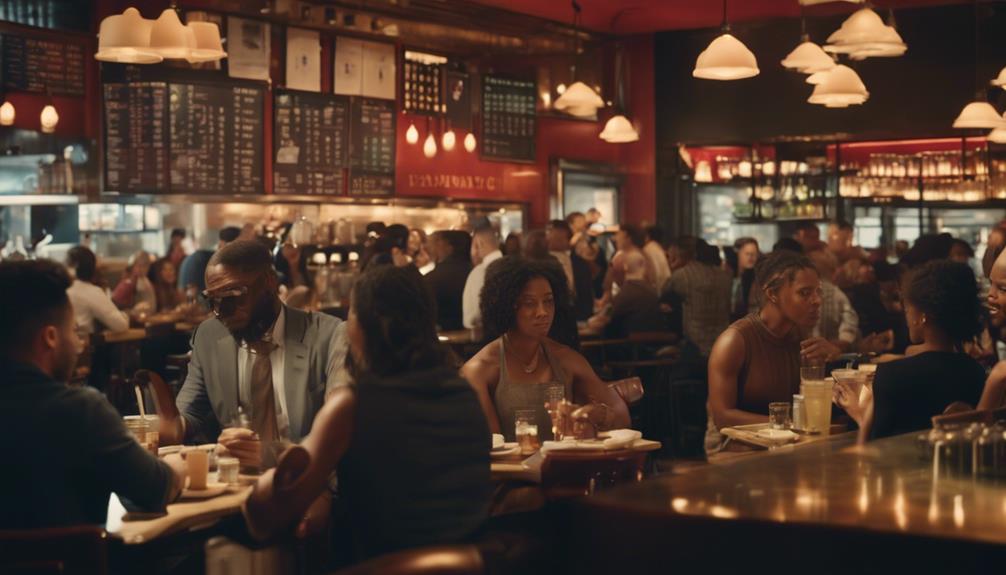
Shifts in customer attitudes towards tipping are likely to reshape future practices in NYC's delivery industry. As awareness grows around fair compensation, customers may adopt more considerate tipping habits. This evolution could lead to significant changes, including: the elimination of tipping altogether in favor of higher base wages for delivery workers, or the adoption of a standardized tipping percentage to ensure that all workers are fairly compensated. It will be interesting to see how this shift in customer behavior and expectations will influence the overall delivery industry in NYC and beyond. Moreover, as viral mcdonald’s prices in connecticut continue to spread, there may be added pressure on the industry to reevaluate its compensation practices and strive for fair wages for all delivery workers.
- Greater empathy for delivery workers' challenges.
- Increased willingness to tip fairly, reflecting service quality.
- A shift away from digital prompts that feel impersonal.
- Enhanced conversations about the emotional and financial labor involved.
Ultimately, the future of tipping practices will hinge on how consumers perceive their role in supporting the livelihoods of delivery drivers, potentially leading to a more respectful and equitable industry landscape.
Conclusion
As New York City's tipping practices evolve, the food delivery industry stands at a crossroads, reminiscent of the transformative shifts in other labor sectors throughout history.
With new minimum wage laws pressuring platforms to adapt, customers now wield more influence over tipping than ever before.
This change could herald a new era where fair compensation takes precedence, echoing the age-old struggle for workers' rights.
The outcome remains uncertain, but the potential for a more equitable system is palpable.
Halloween Picks
halloween
As an affiliate, we earn on qualifying purchases.