
TL;DR

Get business pricing on office and shipping supplies
- Business-only prices and quantity discounts
- Tax-exempt purchasing
- Multiple users, one account, clear invoices
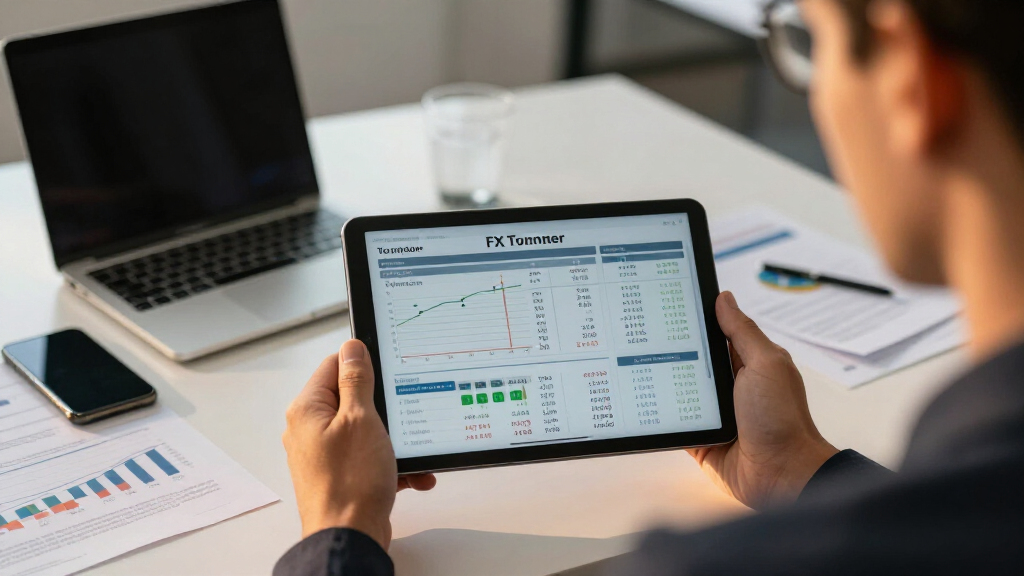
The Bank of England has published the results of its April 2026 semi-annual FX turnover survey, revealing a rise in global foreign exchange trading volume. The report provides insights into market activity, currency preferences, and trading venues, offering a snapshot of current foreign exchange market dynamics.
The Bank of England has published the results of its April 2026 semi-annual FX turnover survey, showing a notable increase in global foreign exchange trading activity compared to the previous survey. The report highlights shifts in trading volumes, currency preferences, and market participation, providing a comprehensive view of current market conditions. This data is significant for policymakers, financial institutions, and market analysts monitoring currency market trends and liquidity levels.
The April 2026 FX turnover survey, conducted by the Bank of England, reports a total global FX trading volume of approximately $7.2 trillion per day, representing a 5% increase from the October 2025 survey. The rise is driven primarily by increased activity in the euro, US dollar, and Chinese yuan. The survey also notes a shift in trading venues, with electronic platforms accounting for over 85% of total volume, up from 80% in the previous period.
Market participants include banks, hedge funds, corporations, and retail traders, with banks remaining the dominant players. The survey indicates that more than 70% of trading volume occurs in the over-the-counter (OTC) market, though electronic trading continues to grow rapidly. Currency pairs involving the US dollar remain the most traded, followed by euro-dollar and yuan-dollar pairs. The survey also highlights regional differences, with Asia experiencing the fastest growth in trading volume, particularly in the Chinese yuan and Japanese yen.
Implications of Increased FX Market Activity in April 2026
The reported increase in global FX trading volume suggests heightened market liquidity and activity, which can influence exchange rates, volatility, and policy decisions. The shift toward electronic trading platforms indicates ongoing technological evolution in the market, potentially affecting transparency and execution quality. For policymakers and financial institutions, these insights help assess market resilience and identify emerging trends, especially in regional currencies like the yuan.
Moreover, the rise in trading involving the Chinese yuan reflects growing international use and acceptance of the currency, which could have broader geopolitical and economic implications. Understanding these dynamics is crucial for central banks, traders, and investors managing currency risk and market exposure.
As an affiliate, we earn on qualifying purchases.
Market Trends and Historical FX Trading Patterns
The Bank of England’s FX turnover surveys are conducted twice a year to gauge global currency trading activity. The latest data from April 2026 indicates a continued upward trend seen since 2024, driven by increased participation from Asian markets and technological advances in trading infrastructure. Historically, FX trading volumes tend to fluctuate with global economic conditions, geopolitical developments, and technological innovations. The current increase aligns with broader trends of digitalization and regional currency internationalization, especially in China.
Previous surveys showed steady growth in electronic trading and regional market participation, with the US dollar consistently maintaining its dominance. The April 2026 data confirms these trends but also highlights regional shifts, notably the rapid growth in Asian markets and the rising prominence of the Chinese yuan in global trading.
“The latest data indicates a resilient and expanding foreign exchange market, with increased activity in key currencies and regions.”
— Andrew Clarke, Head of Market Surveillance at the Bank of England
Uncertainties in FX Market Data and Future Trends
While the survey provides comprehensive data on trading volumes and participant behavior, it is not yet clear how these trends will evolve in the coming months. Factors such as geopolitical tensions, monetary policy shifts, and technological disruptions could alter market dynamics. Additionally, the extent to which electronic trading will continue to grow at the current pace remains uncertain, as some market participants may adjust their trading strategies or face regulatory changes.
Upcoming Surveys and Market Monitoring Developments
The Bank of England plans to conduct the next FX turnover survey in October 2026, which will offer further insights into evolving market trends. Analysts will closely monitor how geopolitical developments, central bank policies, and technological innovations influence currency trading volumes and market structure. Additionally, market participants will likely adjust their strategies based on the current data, preparing for potential volatility or shifts in liquidity.
Key Questions
What was the total global FX trading volume in April 2026?
The survey reports an average of approximately $7.2 trillion per day in global FX trading volume.
Which currencies saw the most trading activity in April 2026?
The US dollar, euro, and Chinese yuan remained the most traded currencies, with notable growth in yuan-related pairs.
How has electronic trading impacted FX market activity?
Electronic platforms accounted for over 85% of total trading volume, reflecting increased reliance on digital infrastructure.
Are regional markets influencing global FX trends?
Yes, Asia, particularly China and Japan, experienced the fastest growth in trading activity, shaping regional and global market dynamics.
What are the main uncertainties in the current FX market outlook?
Uncertainties include geopolitical tensions, policy changes, and technological developments that could alter future trading patterns.
Source: primary
Fall Picks
fall essentials
As an affiliate, we earn on qualifying purchases.