
📊 Full opportunity report: Create Product-Led TikToks And Reels Without Appearing On Camera on IdeaNavigator AI — validation score, market gap, and execution plan.

Get business pricing on office and shipping supplies
- Business-only prices and quantity discounts
- Tax-exempt purchasing
- Multiple users, one account, clear invoices
TL;DR
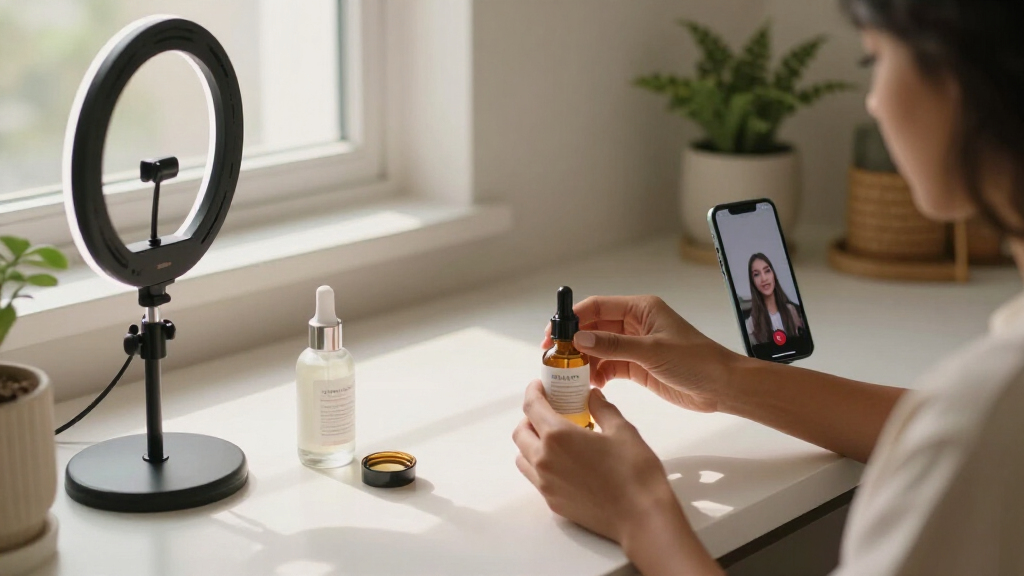
A proposed ecommerce workflow would turn product catalog photos and specifications into faceless videos for TikTok and Instagram Reels, with templates and scheduling. It is a product idea, not a reported launch or proven sales tool; testing with 20 stores is proposed to measure engagement and conversion against existing creative.
IdeaNavigator AI has proposed a tool that would turn ecommerce product catalogs into faceless videos for TikTok and Instagram Reels, targeting sellers without on-camera talent or video budgets. The idea remains a product concept: there is no confirmed launch, and its effect on engagement or sales has not been established.
The proposed tool would connect to a seller’s product catalog and generate several video formats for each item. Examples include unboxing-style clips, lifestyle scenes and feature callouts, assembled from product images and specifications. The concept also includes templates using trending audio and the ability to schedule posts directly to TikTok and Reels.
IdeaNavigator AI identifies the intended customer as an ecommerce seller without on-camera talent or a video budget. The business model proposed is a subscription priced according to the number of videos rendered each month. These are elements of the suggested minimum viable product, not confirmed features of an available service.
For validation, the proposal calls for generating videos for 20 stores, then running paid and organic tests against each store’s existing creative. The stated measures are engagement and conversion differences. No test results, participating stores, performance figures or launch timeline are provided.
A Lower-Cost Route to Product Video
The idea addresses a practical production barrier for smaller sellers: making a steady supply of short-form product videos can require people, equipment, editing time or creator fees. Automating catalog-based clips could lower that workload and let sellers test more creative variations without filming themselves.
But easier production would not, by itself, establish that the videos attract buyers or improve sales. The proposed comparison with existing creative matters because it could show whether generated footage performs well enough to justify a subscription. Until such results are reported, the commercial value remains an open question, rather than a demonstrated outcome.
product catalog video maker for TikTok
As an affiliate, we earn on qualifying purchases.
As an affiliate, we earn on qualifying purchases.
The proposal is framed around the gap between product listings and social feeds: a seller may have images and specifications for an item but lack video assets suited to short-form platforms. It argues that newer video-generation models can create scenes involving hands, settings and motion from still images and product details, potentially reducing production costs. That is the proposal’s rationale, not independently verified evidence of video quality or cost.
The suggested product sits within ecommerce creative automation. Its scope is narrower than a general video editor: connect a store catalog, produce multiple product-focused formats, apply audio templates and schedule posts. The plan’s next step is a small multi-store test, not a reported market launch.
Performance and Availability Still Unknown
No product name, developer, release date, pricing amount or working demonstration is specified. It is also unclear which catalog platforms the proposed tool would support, how sellers would review or edit generated clips, and how it would handle inaccurate product depictions.
The proposal does not provide evidence that generated videos are competitive with professionally produced material, or that they increase engagement, conversions or revenue. The proposed 20-store test has no reported participants or findings. Claims about near-zero production costs and the ability of generated footage to compete in feeds should therefore be treated as rationale to test, not established results.
The Proposed Twenty-Store Test
The next stated step is a trial across 20 ecommerce stores, comparing generated videos with each seller’s current creative in both paid and organic distribution. Engagement and conversion are the proposed measures. No timetable is given, so it is unknown when or whether this test will begin.
Useful reporting from a trial would include the platforms and products tested, how performance was measured, the comparison period and whether results differed between paid and organic posts. Until those details and outcomes are available, the concept should be understood as an unvalidated workflow proposal rather than a proven marketing product.
Source: IdeaNavigator AI
Key Questions
Is a faceless product-video tool available now?
The proposal describes a possible tool, but gives no confirmed launch, product name or availability information.
What kinds of videos would it generate?
The proposed formats include unboxing-style clips, lifestyle scenes and feature callouts, created from catalog images and product specifications.
Would the tool post videos automatically?
The suggested minimum viable product includes direct scheduling to TikTok and Instagram Reels. It is not confirmed that a working product offers this feature.
Has the idea been shown to increase sales?
No sales or conversion results are reported. The proposed test would compare engagement and conversion with stores’ existing creative.
How would the service charge customers?
The proposed model is a subscription tiered by the number of videos rendered per month; no prices or subscription plans are specified.
Source: IdeaNavigator AI
Halloween Picks
halloween
As an affiliate, we earn on qualifying purchases.