
📊 Full opportunity report: Food Safety Automation: The Role Of Vision-Model Kitchen Inspectors on IdeaNavigator AI — validation score, market gap, and execution plan.
Listen free for 30 days with Audible
Thousands of audiobooks and originals — cancel anytime.
Start your free trialAs an affiliate, we earn on qualifying purchases.
TL;DR
A pilot program is testing vision-model technology to automate kitchen safety inspections in multi-unit restaurants. The system captures photos during morning checks, flags violations, and generates reports, potentially transforming food safety compliance.
A new AI-powered kitchen inspection system is being tested in a pilot program within a multi-unit restaurant group to automate food safety checks. This system uses vision models to analyze photos taken during morning walk-throughs, aiming to replace traditional tick-box checklists with verifiable, timestamped data, which could significantly improve compliance and reduce errors.
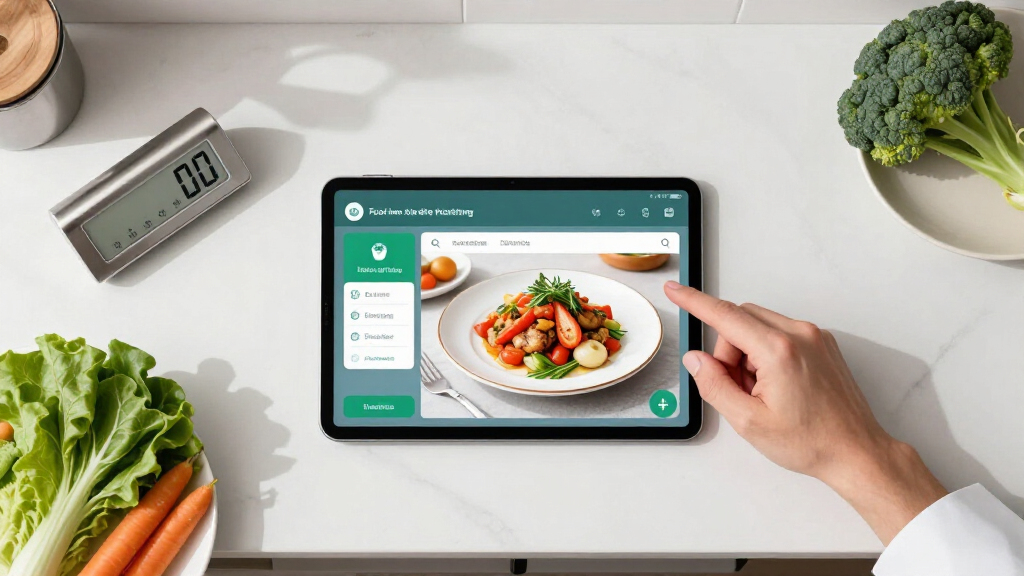
The pilot involves managers photographing key areas such as prep stations, walk-in coolers, handwash sinks, and storage areas during their morning inspections. The vision model then analyzes these images to identify potential violations, such as uncovered containers, propped cooler doors, or missing date labels, and assigns severity ratings. The system generates a timestamped report for each location, enabling trend analysis across the restaurant group.
This approach aims to turn subjective, manual checks into objective, verifiable data without requiring new hardware beyond smartphones. The initial validation involves comparing the AI’s flagged violations against findings from a hired health-inspection consultant over a two-week period across five locations. The goal is to assess the accuracy and reliability of the vision model in real-world conditions.
Potential Impact on Food Safety Compliance and Verification
This development could significantly enhance food safety practices by providing verifiable inspection records, reducing reliance on subjective checklists, and enabling more consistent compliance monitoring. Automated, timestamped reports can improve accountability and facilitate faster corrective actions. For restaurant chains, this technology offers a scalable way to maintain high safety standards across multiple locations, potentially lowering the risk of violations and health issues.
smartphone food safety inspection camera
As an affiliate, we earn on qualifying purchases.
As an affiliate, we earn on qualifying purchases.
Current Challenges in Manual Kitchen Inspections
Traditional food safety inspections rely on manual checklists completed by staff, which often only confirm that a task was looked at rather than verifying actual conditions. Inspectors later discover violations such as uncovered food, improper storage, or missing labels, often only after the fact. These issues reveal gaps in manual processes and highlight the need for more reliable verification methods. Recent advances in AI vision models now enable automated analysis of routine photos, offering a promising solution to these longstanding problems.
“Vision models can reliably flag violations in everyday phone photos, transforming the inspection process into verifiable, data-driven checks.”
— an anonymous researcher
Validation and Accuracy of Vision-Model Inspections
It is not yet clear how accurately the vision models will perform across diverse kitchen environments or how they will handle ambiguous cases. The pilot is still in early testing, and results from the two-week validation period are pending. There remains uncertainty about false positives, false negatives, and overall reliability before broader deployment can be considered.
Next Steps for Pilot Testing and Broader Implementation
Following the initial validation, the restaurant group plans to analyze the AI’s performance data and compare it against traditional inspection reports. If successful, the system could be expanded to more locations and integrated into regular safety protocols. Further development may include refining the model’s accuracy, adding features like trend analysis, and exploring integration with existing restaurant management software.
Key Questions
How does the vision-model kitchen inspector work?
The system uses smartphone photos taken during morning checks, which are analyzed by AI to identify safety violations like uncovered food, improper storage, or missing labels. It then generates timestamped reports with severity ratings.
What are the benefits of using AI for kitchen inspections?
AI can provide objective, verifiable data, reduce manual errors, improve compliance consistency, and enable trend analysis across multiple locations, enhancing overall food safety management.
What are the main uncertainties about this technology?
The primary uncertainties involve the accuracy of the AI in diverse real-world conditions, its ability to minimize false positives and negatives, and its effectiveness in replacing traditional inspections fully.
When might this system be widely adopted?
If the pilot demonstrates reliable performance, broader adoption could occur within the next year, with phased implementation depending on validation results and integration capabilities.
Will this replace human inspectors entirely?
Currently, the system is designed to augment, not replace, human inspectors by providing verifiable data and reducing oversight errors, but full automation remains uncertain.
Source: IdeaNavigator AI
NFL season / tailgating Picks
team gear
As an affiliate, we earn on qualifying purchases.