

The best digital marketing analytics tools are only useful when marketers know which metrics to trust and how to turn them into decisions, so this roundup compares books that teach those skills rather than software subscriptions. My best overall pick is A Practical Guide to Digital Marketing Analytics because its focus on KPIs, dashboards, data-driven decisions, and AI most closely matches current analytics work. Digital Marketing Made Simple offers a more accessible starting point, while Advanced Marketing Analytics is better suited to readers seeking greater analytical depth. The main tradeoffs are breadth versus specialization, strategic guidance versus statistical instruction, and durable measurement principles versus coverage of newer technology. Continue reading for the full ranking logic, selection criteria, buying guidance, and recommendations by reader type.

Get business pricing on office and shipping supplies
- Business-only prices and quantity discounts
- Tax-exempt purchasing
- Multiple users, one account, clear invoices
Key Takeaways
- A Practical Guide to Digital Marketing Analytics ranks first because it connects KPI selection, dashboard building, decision-making, and AI more directly than the broader strategy books.
- Digital Marketing Made Simple is the strongest beginner choice, but experienced analysts may find its wider acquisition focus less rigorous than the advanced and statistics-led titles.
- Advanced Marketing Analytics and the SPSS-focused Marketing Analytics book offer the deepest analytical paths, trading accessibility and speed for stronger quantitative instruction.
- Adobe Analytics For Dummies is the clearest platform-specific option, while Web Analytics 2.0 and Digital Analytics for Marketing provide more portable ideas that are less tied to one vendor.
- The specialist books on social media, content analytics, and AI planning work best as companion resources because each leaves meaningful gaps outside its chosen channel or method.
| Digital Marketing Strategy: An Integrated Approach to Online Marketing |  | Best Strategic Foundation | Product type: Digital marketing strategy book | Primary subject: Integrated online marketing | Analytics coverage: Data analytics within wider marketing strategy | VIEW LATEST PRICE | See Our Full Breakdown |
| Adobe Analytics For Dummies |  | Best for Adobe Analytics Beginners | Product type: Software analytics guide | Platform: Adobe Analytics | Skill level: Beginner | VIEW LATEST PRICE | See Our Full Breakdown |
| Social Media Analytics: Effective Tools for Building, Interpreting, and Using Metrics |  | Best for Social Media Measurement | Product type: Social media analytics book | Primary channel: Social media | Measurement scope: Building, interpreting, and using metrics | VIEW LATEST PRICE | See Our Full Breakdown |
| Marketing Analytics: Statistical Tools for Marketing and Consumer Behavior Using SPSS | 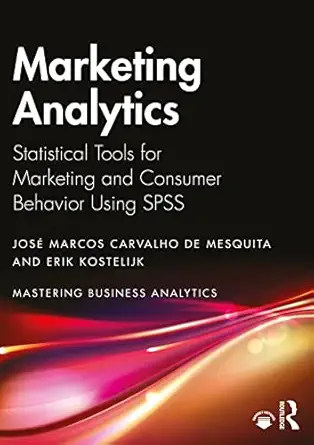 | Best for Statistical Analysis | Product type: Marketing analytics textbook or professional guide | Primary software: SPSS | Core discipline: Statistical marketing analysis | VIEW LATEST PRICE | See Our Full Breakdown |
| The Art of Digital Marketing: Strategies, Tools, and Insights for the Digital Age |  | Best for Marketing Generalists | Product type: Digital marketing guide | Primary subject: Cross-channel digital marketing | Channel coverage: Content, SEO, and social media | VIEW LATEST PRICE | See Our Full Breakdown |
| Digital Marketing Made Simple: Step-by-Step Strategies to Drive Targeted Website Traffic, Build Your Online Presence, and Deploy AI Tools to Accelerate Customer Acquisition |  | Best for Marketing Beginners | Resource type: Instructional book | Primary subject: Digital marketing strategy | Traffic focus: Targeted website traffic | VIEW LATEST PRICE | See Our Full Breakdown |
| A Practical Guide to Digital Marketing Analytics: Track KPIs, Build Dashboards, and Make Data-Driven Decisions in the Age of AI |  | Best Overall Analytics Playbook | Resource type: Practical guide | Primary subject: Digital marketing analytics | Measurement focus: KPI tracking | VIEW LATEST PRICE | See Our Full Breakdown |
| Advanced Marketing Analytics: Transform Data into Insights | 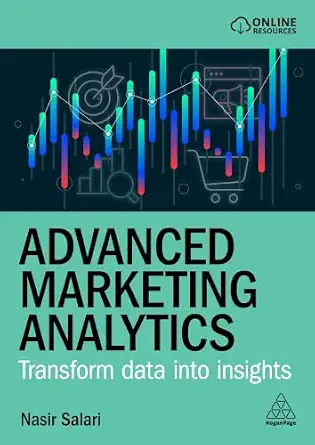 | Best for Advanced Data Interpretation | Resource type: Advanced analytics book | Primary subject: Marketing analytics | Input: Marketing data | VIEW LATEST PRICE | See Our Full Breakdown |
| Marketing Analytics: A Practical Guide to Real Marketing Science |  | Best for Marketing Science Foundations | Resource type: Practical guide | Primary subject: Marketing analytics | Discipline: Marketing science | VIEW LATEST PRICE | See Our Full Breakdown |
| Digital Analytics for Marketing (Mastering Business Analytics) |  | Best for Business Analytics Learners | Resource type: Business analytics book | Series: Mastering Business Analytics | Primary subject: Digital analytics for marketing | VIEW LATEST PRICE | See Our Full Breakdown |
| The Fundamentals of Content Analytics: A Practical Guide for Marketing and Communications Professionals |  | Best for Content Analytics | Product type: Practical guidebook | Primary subject: Content analytics | Core application: Measuring and optimizing content strategy | VIEW LATEST PRICE | See Our Full Breakdown |
| The AI Marketing Canvas, Second Edition: A Five-Step AI Plan for Marketers |  | Best for AI Planning | Product type: Marketing strategy book | Edition: Second edition | Primary subject: Artificial intelligence in marketing | VIEW LATEST PRICE | See Our Full Breakdown |
| Web Analytics 2.0: The Art of Online Accountability and Science of Customer Centricity |  | Best for Web Analytics Strategy | Product type: Web analytics book | Primary subject: Advanced web analytics | Measurement focus: Online accountability | VIEW LATEST PRICE | See Our Full Breakdown |
| Digital Marketing Analytics: Making Sense of Consumer Data in a Digital World |  | Best Broad Introduction | Product type: Digital marketing analytics book | Primary subject: Consumer data analysis | Core application: Data-driven marketing decisions | VIEW LATEST PRICE | See Our Full Breakdown |
| Analytics Demystified: Decoding Data for Informed Marketing Decisions |  | Best for Decision-Making Basics | Product type: Marketing analytics guidebook | Primary subject: Data analysis for marketing | Core application: Informed campaign decision-making | VIEW LATEST PRICE | See Our Full Breakdown |
| digital marketing analytics tool | Primary subject | Product type | Intended audience |
|---|---|---|---|
| Digital Marketing Strategy: An | Integrated online marketing | Digital marketing strategy book | Mid-career professionals |
| Adobe Analytics For Dummies | — | Software analytics guide | Business and personal finance professionals |
| Social Media Analytics: Effect | — | Social media analytics book | — |
| Marketing Analytics: Statistic | — | Marketing analytics textbook or professional guide | Students and marketing analytics professionals |
| The Art of Digital Marketing: | Cross-channel digital marketing | Digital marketing guide | Marketers at all levels |
| Digital Marketing Made Simple: | Digital marketing strategy | — | — |
| A Practical Guide to Digital M | Digital marketing analytics | — | — |
| Advanced Marketing Analytics: | Marketing analytics | — | — |
| Marketing Analytics: A Practic | Marketing analytics | — | — |
| Digital Analytics for Marketin | Digital analytics for marketing | — | — |
| The Fundamentals of Content An | Content analytics | Practical guidebook | Marketing and communications professionals |
| The AI Marketing Canvas | Artificial intelligence in marketing | Marketing strategy book | Marketers and marketing leaders |
| Web Analytics 2.0: The Art of | Advanced web analytics | Web analytics book | — |
| Digital Marketing Analytics: M | Consumer data analysis | Digital marketing analytics book | Marketers and data analysts |
| Analytics Demystified: Decodin | Data analysis for marketing | Marketing analytics guidebook | Digital marketing professionals |
More Details on Our Top Picks
Digital Marketing Strategy: An Integrated Approach to Online Marketing
I rank Digital Marketing Strategy as the strongest strategic foundation here because it connects analytics, automation, and planning frameworks instead of treating measurement as a separate task. That makes it more useful for mid-career marketers who need to connect campaign data with wider business decisions. Compared with Marketing Analytics: Statistical Tools for Marketing and Consumer Behavior Using SPSS, it favors practical planning over statistical technique, so readers can apply its ideas without mastering specialist software. The tradeoff is analytical depth: buyers seeking detailed KPI construction, dashboard instruction, or modeling workflows may find the coverage too broad. The missing edition and publication details also make its currency difficult to judge, a real concern when platforms and automation practices change quickly.
Pros:- I value its connection between analytics and wider digital strategy
- Practical frameworks support campaign planning and decision-making
- Marketing automation coverage broadens its usefulness beyond reporting
- The mid-career focus suits readers moving into strategic responsibility
Cons:- Analytics receives less depth than in a dedicated measurement book
- No edition or publication date is supplied, making currency hard to verify
- The stated audience remains broad within the mid-career segment
Best for: Mid-career marketing managers who need one framework connecting digital strategy, automation, and analytics
Not ideal for: Analysts seeking detailed measurement procedures, statistical modeling, or platform-specific instruction
- Product type:Digital marketing strategy book
- Primary subject:Integrated online marketing
- Analytics coverage:Data analytics within wider marketing strategy
- Additional focus:Marketing automation
- Method:Practical frameworks and strategies
- Intended audience:Mid-career professionals
- Edition information:Not supplied
- Publication date:Not supplied
Our verdict“I recommend this to experienced marketers who need strategic structure more than platform tutorials or statistical instruction.”
Adobe Analytics For Dummies
Adobe Analytics For Dummies earns my beginner-platform pick because it explains a named analytics system rather than discussing measurement only at a strategic level. Its plain-language feature guidance and best practices should help business professionals understand what Adobe reports can reveal and how those findings support decisions. It is more focused than Digital Marketing Strategy: An Integrated Approach to Online Marketing, yet less analytical than Marketing Analytics: Statistical Tools for Marketing and Consumer Behavior Using SPSS. That middle position suits readers who need operational familiarity without a statistics-heavy curriculum. Its biggest weakness is aging risk: Adobe Analytics changes over time, so interface instructions and workflows may no longer match the current product. Advanced implementation, data-layer design, and sophisticated analysis also sit beyond the stated beginner scope.
Pros:- I like its clear entry point into a complex enterprise analytics platform
- Feature explanations are written for readers without deep technical backgrounds
- Best-practice guidance connects platform functions with business analysis
- Its narrow Adobe focus supports structured platform learning
Cons:- Software updates may make interface-specific guidance outdated
- It lacks the statistical depth needed by advanced analysts
- The platform-specific scope offers limited help with competing analytics systems
Best for: Business and finance professionals who are new to Adobe Analytics and need an accessible platform introduction
Not ideal for: Experienced Adobe practitioners who need current implementation guidance, advanced segmentation, or data-layer architecture
- Product type:Software analytics guide
- Platform:Adobe Analytics
- Skill level:Beginner
- Teaching style:Easy-to-understand explanations
- Content focus:Core features and best practices
- Intended audience:Business and personal finance professionals
- Technical depth:Introductory
- Update dependency:Guidance may age as the software changes
Our verdict“I would choose this for an Adobe Analytics newcomer, but not for advanced implementation work or current interface-level instruction.”
Social Media Analytics: Effective Tools for Building, Interpreting, and Using Metrics
I place Social Media Analytics first for channel specialists because it centers on the full metric workflow: building, interpreting, and applying measurements to social strategy. That is a better fit for community, content, and social teams than Adobe Analytics For Dummies, whose platform focus is broader than social reporting but tied to Adobe. It also offers more measurement direction than The Art of Digital Marketing, where analytics shares space with SEO and content creation. The narrower scope is both its advantage and its limit. Readers responsible for web attribution, paid-search economics, or cross-channel dashboards will need another resource. The listing also provides no edition, update history, detailed tool coverage, or reader feedback, leaving buyers with little evidence about how well the material reflects current social platforms.
Pros:- I value its direct focus on social media measurement decisions
- It covers metric creation as well as interpretation
- The guidance connects reported numbers with strategy use
- Its channel focus makes the subject easier to apply for social teams
Cons:- The narrow subject leaves gaps in web and cross-channel analytics
- No edition or update information is supplied
- The available data does not identify which tools or platforms receive coverage
Best for: Social media managers and content strategists who need a structured way to create and interpret channel metrics
Not ideal for: Cross-channel analysts who need web attribution, paid-search measurement, or dashboard-building instruction
- Product type:Social media analytics book
- Primary channel:Social media
- Measurement scope:Building, interpreting, and using metrics
- Buyer outcome:Better-informed social media strategy
- Approach:Practical tools and strategies
- Named platforms:Not supplied
- Edition information:Not supplied
- User ratings:Not supplied
Our verdict“I recommend this to social teams that need better metric discipline, while cross-channel analysts should choose a broader resource.”
Marketing Analytics: Statistical Tools for Marketing and Consumer Behavior Using SPSS
Marketing Analytics: Statistical Tools for Marketing and Consumer Behavior Using SPSS takes my statistical-analysis role because it links marketing questions with consumer-behavior techniques in SPSS. Unlike Adobe Analytics For Dummies, which teaches an analytics platform at an introductory level, this book is aimed at readers who need to analyze data with formal statistical methods. It also goes deeper on quantitative technique than Digital Marketing Strategy: An Integrated Approach to Online Marketing, trading broad channel planning for analytical rigor. That makes it valuable for students, researchers, and analysts evaluating behavioral patterns rather than merely tracking campaign totals. The cost is accessibility and scope: beginners may find the material demanding, while teams using R, Python, or cloud analytics platforms receive less direct value. Its SPSS orientation may also create a software dependency for exercises and workflows.
Pros:- I rate its statistical rigor above the broader strategy books in this group
- SPSS guidance turns analytical concepts into repeatable workflows
- Consumer-behavior coverage supports research beyond campaign reporting
- The material serves both academic and professional analytics settings
Cons:- The technical level may be too demanding for analytics beginners
- SPSS dependence reduces its relevance for teams using other software
- It offers less direct coverage of digital channels and marketing platforms
Best for: Marketing analytics students, researchers, and professional analysts who use SPSS to study consumer behavior
Not ideal for: Nontechnical campaign managers or teams standardized on Python, R, or web analytics platforms
- Product type:Marketing analytics textbook or professional guide
- Primary software:SPSS
- Core discipline:Statistical marketing analysis
- Research focus:Marketing and consumer behavior
- Method:Practical statistical tools and techniques
- Skill level:Intermediate to advanced
- Intended audience:Students and marketing analytics professionals
- Price information:Not supplied
Our verdict“I would pick this for rigorous SPSS-based marketing analysis, not for a quick introduction to digital campaign reporting.”
The Art of Digital Marketing: Strategies, Tools, and Insights for the Digital Age
I assign The Art of Digital Marketing the generalist role because it brings content, SEO, social media, and analytics into one accessible marketing overview. It makes more sense for a marketer managing several channels than Social Media Analytics, which concentrates on building and interpreting social metrics. Compared with Digital Marketing Strategy: An Integrated Approach to Online Marketing, this pick appears more channel-oriented, while that book gives automation and strategic frameworks greater weight. Breadth is the compromise. Analytics is only one part of the subject, so buyers should not expect detailed attribution models, dashboard construction, or statistical methods comparable to the SPSS-focused book. The lack of edition, publication, and tool-level details also makes it hard to judge whether its guidance reflects current search, social, and measurement systems.
Pros:- I like its broad cross-channel view of digital marketing
- Analytics is connected with content, SEO, and social strategy
- Practical tools and insights support marketers handling multiple responsibilities
- The stated all-level audience makes it approachable for mixed-skill teams
Cons:- Analytics coverage is less focused than in dedicated measurement books
- No specific platforms or tools are identified in the supplied data
- Missing edition and publication details make the material’s currency uncertain
Best for: Small-business marketers and channel generalists who need one introduction spanning content, SEO, social media, and analytics
Not ideal for: Dedicated marketing analysts who need advanced attribution, dashboard design, or statistical modeling
- Product type:Digital marketing guide
- Primary subject:Cross-channel digital marketing
- Channel coverage:Content, SEO, and social media
- Analytics coverage:Analytics within a wider marketing curriculum
- Approach:Strategies, tools, and practical insights
- Intended audience:Marketers at all levels
- Named tools:Not supplied
- Edition information:Not supplied
Our verdict“I recommend this to marketing generalists seeking cross-channel context, while dedicated analysts should choose a more focused title.”
Digital Marketing Made Simple: Step-by-Step Strategies to Drive Targeted Website Traffic, Build Your Online Presence, and Deploy AI Tools to Accelerate Customer Acquisition
I rank Digital Marketing Made Simple as the entry point for readers who need marketing direction before choosing analytics software. Its step-by-step approach connects traffic growth, online visibility, AI tools, and customer acquisition, helping newcomers understand what their future measurement stack needs to track. A Practical Guide to Digital Marketing Analytics is the stronger choice for KPI design and dashboard building, while this book covers the broader campaign activity behind those numbers. That breadth is also its main weakness: experienced analysts may find the material too general, and the supplied product information does not indicate detailed instruction for configuring analytics platforms. This pick makes sense as a plain-language marketing foundation, but I would pair it with a dedicated analytics reference once reporting becomes the priority.
Pros:- Step-by-step structure gives beginners a clear route through digital marketing
- Connects AI tools with customer-acquisition goals
- Covers traffic growth and online-presence building in one resource
- Accessible to readers without an analytics background
Cons:- Analytics is only one part of a much broader marketing scope
- May lack enough depth for advanced marketers
- No stated coverage of specific analytics platforms or technical setup
Best for: New business owners and junior marketers who need to understand traffic generation, online presence, and AI-assisted acquisition before selecting analytics software
Not ideal for: Experienced analysts seeking platform configuration, measurement architecture, or advanced statistical methods—the scope is broad rather than technically specialized
- Resource type:Instructional book
- Primary subject:Digital marketing strategy
- Traffic focus:Targeted website traffic
- Brand focus:Online presence development
- AI coverage:AI tools for marketing
- Business outcome:Faster customer acquisition
- Instruction style:Step-by-step guidance
Our verdict“I recommend this as a beginner’s marketing roadmap, not as a substitute for a dedicated digital analytics manual.”
A Practical Guide to Digital Marketing Analytics: Track KPIs, Build Dashboards, and Make Data-Driven Decisions in the Age of AI
A Practical Guide to Digital Marketing Analytics takes my top position because its scope most closely matches the work marketers perform with analytics tools: selecting KPIs, building dashboards, and turning results into decisions. Compared with Digital Marketing Made Simple, it spends less attention on campaign fundamentals and more on the measurement workflow that connects software outputs to action. Its AI angle also makes it more current in focus than Marketing Analytics: A Practical Guide to Real Marketing Science. The limitation is uncertainty around depth; the supplied details do not show whether readers receive formulas, platform walkthroughs, or advanced modeling instruction. I see this as the lineup’s strongest operational guide for marketers organizing reporting, though specialist analysts may need Advanced Marketing Analytics for more demanding data interpretation.
Pros:- Directly addresses KPI tracking and dashboard creation
- Links reporting activity to marketing decisions
- Includes an AI-era perspective on analytics
- Closely aligned with day-to-day digital measurement work
Cons:- The stated product data does not clarify the technical depth
- No specific analytics platforms are identified
- Format and edition details are not supplied
Best for: Marketing managers and growing analytics teams that need a practical framework for defining KPIs, assembling dashboards, and making AI-informed decisions
Not ideal for: Technical analysts who need documented formulas, code examples, or platform-specific implementation—the available description does not confirm that level of detail
- Resource type:Practical guide
- Primary subject:Digital marketing analytics
- Measurement focus:KPI tracking
- Reporting focus:Dashboard creation
- Decision framework:Data-driven marketing
- AI coverage:Analytics in the age of AI
- Platform coverage:No specific platform stated
Our verdict“I would choose this for the clearest practical path from marketing metrics to dashboards and decisions.”
Advanced Marketing Analytics: Transform Data into Insights
I place Advanced Marketing Analytics third because it targets the analytical step many software guides treat lightly: converting raw marketing data into useful findings. That makes it better suited to analysts who already have dashboards and need stronger interpretation methods. A Practical Guide to Digital Marketing Analytics appears more approachable for KPI selection and dashboard construction, while this title concentrates on extracting insights that can improve decisions. Its narrower, more advanced positioning may leave beginners without enough grounding in metrics or reporting design. The product data also gives no indication of supported tools, exercises, formulas, or case-study depth, so buyers cannot tell how technical the treatment becomes. I would select this as an analysis-focused companion, rather than the first reference for setting up a digital marketing measurement program.
Pros:- Centers on converting raw marketing data into actionable insights
- Supports stronger evidence-based marketing decisions
- More analysis-focused than broad digital marketing guides
- Suited to readers moving beyond basic reporting
Cons:- May be too advanced for first-time analytics readers
- No specific software, formulas, or exercises are identified
- Available product data does not establish the depth of its methods
Best for: Marketing analysts who already collect campaign data and want better methods for converting it into actionable business findings
Not ideal for: Beginners building their first KPI framework or dashboard—the advanced focus may assume more analytical grounding than they possess
- Resource type:Advanced analytics book
- Primary subject:Marketing analytics
- Input:Marketing data
- Core process:Data analysis
- Primary output:Actionable insights
- Decision focus:Marketing decision improvement
- Named software:None stated
Our verdict“I recommend this to analysts who need help interpreting existing data, not to newcomers still assembling their measurement stack.”
Marketing Analytics: A Practical Guide to Real Marketing Science
Marketing Analytics: A Practical Guide to Real Marketing Science earns its place by connecting analytical ideas with real-world marketing examples. I rank it below Advanced Marketing Analytics for readers seeking data-transformation techniques, but above broader strategy books when the goal is understanding why analytical methods shape decisions. Its practical framing should help marketers build conceptual confidence before interpreting reports or challenging campaign assumptions. Compared with Digital Analytics for Marketing, this book appears more centered on marketing science than on the wider business-analytics discipline. The tradeoff is limited technical instruction: readers expecting software setup, dashboard recipes, or detailed implementation guidance may find the treatment too theoretical. I see it as a bridge between marketing and analytics, especially for decision-makers who need analytical literacy without training as data specialists.
Pros:- Connects marketing analytics with real-world examples
- Builds analytical literacy for marketing decision-makers
- Frames data work through practical marketing science
- Helps readers apply evidence-based thinking to strategy
Cons:- Offers limited technical instruction
- May feel too theoretical for implementation-focused readers
- No named software or dashboard workflow is provided
Best for: Campaign strategists and marketing managers who want marketing-science concepts explained through practical examples before working with analysts or analytics tools
Not ideal for: Hands-on practitioners seeking platform tutorials, dashboard instructions, or detailed technical procedures—the stated focus is conceptual and example-led
- Resource type:Practical guide
- Primary subject:Marketing analytics
- Discipline:Marketing science
- Teaching approach:Real-world examples
- Strategy focus:Data-driven marketing
- Intended outcome:Improved marketing decisions
- Technical instruction:Limited detail stated
Our verdict“I would pick this for marketing-science literacy and practical context, while choosing another title for hands-on tool configuration.”
Digital Analytics for Marketing (Mastering Business Analytics)
I recommend Digital Analytics for Marketing for readers who want digital measurement placed inside a broader business-analytics framework. Its mix of key concepts and practical applications makes it more professionally oriented than Digital Marketing Made Simple, which gives newcomers a wider introduction to traffic and customer acquisition. Against A Practical Guide to Digital Marketing Analytics, however, this title appears less tightly focused on KPI tracking and dashboard production. The Mastering Business Analytics positioning suits students, managers, and cross-functional professionals who need shared analytical language, but hands-on specialists may want clearer implementation detail. No specific platforms, coding methods, or configuration exercises are identified in the supplied data. I rank it as a structured learning resource for understanding how digital analytics supports marketing decisions, rather than a field manual for operating a particular tool.
Pros:- Connects digital marketing measurement with business analytics
- Combines key concepts with practical applications
- Useful for developing shared language across marketing and analytics teams
- Supports data-led professional decision-making
Cons:- May be too theoretical for hands-on tool operators
- Detailed technical implementation is not stated
- No specific analytics platforms or coding methods are named
Best for: Business analytics students, marketing professionals, and cross-functional managers who need digital measurement concepts tied to broader organizational decision-making
Not ideal for: Platform administrators and technical marketers who need configuration steps, code, or tool-specific exercises—the available description does not promise those elements
- Resource type:Business analytics book
- Series:Mastering Business Analytics
- Primary subject:Digital analytics for marketing
- Content scope:Key concepts and practical applications
- Professional focus:Marketing professionals
- Decision approach:Data-driven marketing
- Technical implementation:Limited detail stated
Our verdict“I would choose this for structured business-analytics learning, not for step-by-step operation of a digital analytics platform.”
The Fundamentals of Content Analytics: A Practical Guide for Marketing and Communications Professionals
I rank The Fundamentals of Content Analytics as the focused choice for teams that need to connect content performance with editorial decisions. Its value lies in turning content measurement concepts into guidance for refining strategy, rather than covering every digital channel. Compared with Social Media Analytics, this book has a broader content remit but offers less emphasis on platform-specific metrics. It is also narrower than Digital Marketing Analytics: Making Sense of Consumer Data in a Digital World, making it easier to approach for content managers but less useful for analysts building cross-channel measurement systems. The practical orientation earns it a place in my lineup, though the absence of documented examples, technical detail, and reader feedback makes its depth hard to judge. This is a learning resource, not an analytics platform.
Pros:- Keeps the discussion centered on content performance and optimization
- Connects analytics concepts with marketing and communications work
- Offers a more focused scope than broad digital analytics guides
Cons:- No documented detail about case studies, exercises, or analytical depth
- Does not provide software-based reporting or automated measurement
- No customer ratings or reviews are supplied
Best for: Content strategists, editors, and communications managers who need a practical framework for measuring and improving published content
Not ideal for: Performance marketers who need campaign attribution, automated dashboards, or hands-on instructions for a specific analytics platform
- Product type:Practical guidebook
- Primary subject:Content analytics
- Core application:Measuring and optimizing content strategy
- Intended audience:Marketing and communications professionals
- Coverage:Key content-analysis concepts and techniques
- Instruction style:Practical insights
- Customer feedback:No ratings or reviews provided
- ASIN:B0GK8CT3W7
Our verdict“This is my content-team pick for readers who want measurement guidance without the wider scope of a cross-channel analytics textbook.”
The AI Marketing Canvas, Second Edition: A Five-Step AI Plan for Marketers
I include The AI Marketing Canvas, Second Edition for marketers deciding where AI belongs in their measurement and workflow plans. Its five-step structure gives teams a shared planning language, which is more useful at the strategy stage than a loose collection of AI tactics. Compared with Digital Marketing Made Simple, this pick is more tightly organized around AI adoption, while A Practical Guide to Digital Marketing Analytics appears better suited to KPI tracking and dashboard work. That distinction shapes my ranking: this is an AI planning framework, not a detailed guide to marketing attribution or analytics software. The updated edition adds relevance, but the supplied information does not reveal how deeply it covers data quality, model evaluation, or implementation. Buyers seeking executable reports may find it too conceptual, while managers coordinating AI initiatives should appreciate its clear sequence.
Pros:- Organizes AI adoption around a clear five-step plan
- Gives marketing teams a shared framework for planning AI work
- Second edition indicates updated treatment of the subject
- More focused on AI integration than general marketing handbooks
Cons:- Content depth and technical coverage are not documented
- Does not appear to provide a full digital analytics implementation guide
- No customer reviews are available for judging accessibility
Best for: Marketing leaders and operations managers who need a structured plan for introducing AI across team workflows
Not ideal for: Analysts seeking detailed attribution methods, dashboard tutorials, or instructions for configuring analytics software
- Product type:Marketing strategy book
- Edition:Second edition
- Primary subject:Artificial intelligence in marketing
- Framework:Five-step AI plan
- Core application:Integrating AI into marketing workflows
- Intended audience:Marketers and marketing leaders
- Customer feedback:No reviews provided
- ASIN:1503644332
Our verdict“I recommend this to marketing managers who need an AI roadmap more than a manual for operating analytics tools.”
Web Analytics 2.0: The Art of Online Accountability and Science of Customer Centricity
I rank Web Analytics 2.0 as the strongest choice here for readers focused on website accountability and customer-centered measurement. Its advantage is a strategic web analytics framework that links metrics with business and customer outcomes, rather than treating reporting as a collection of isolated numbers. Compared with Adobe Analytics For Dummies, it is less tied to one platform and better suited to shaping measurement principles; the Adobe guide should be more useful for product-specific instruction. Digital Analytics for Marketing may offer a wider view of modern channels, while this book keeps web behavior at the center. That focus can sharpen site-analysis decisions, but its “2.0” framing may feel dated beside newer resources. The supplied data also lacks detailed examples or case-study information. I see it as a conceptual reference, not a substitute for current implementation documentation.
Pros:- Provides in-depth treatment of web analytics principles
- Connects online accountability with customer-centered decision-making
- Remains platform-neutral compared with software-specific guides
- Helps readers relate website metrics to broader business outcomes
Cons:- The Web Analytics 2.0 framing may not reflect newer channels and practices
- Detailed examples and case studies are not described in the supplied data
- Does not replace current platform documentation or reporting software
Best for: Web analysts and digital strategy managers who want a platform-neutral framework linking website metrics with customer behavior
Not ideal for: Adobe users seeking step-by-step platform configuration or teams needing current coverage across social, mobile, and AI-driven channels
- Product type:Web analytics book
- Primary subject:Advanced web analytics
- Measurement focus:Online accountability
- Strategy focus:Customer centricity
- Core application:Measuring and improving digital marketing efforts
- Platform scope:Platform-neutral
- Price and rating data:Not provided
- ASIN:0470529393
Our verdict“This is my platform-neutral web strategy pick for readers who value measurement principles over software walkthroughs.”
Digital Marketing Analytics: Making Sense of Consumer Data in a Digital World
I place Digital Marketing Analytics highest among these five for readers who want a broad bridge between consumer data and marketing choices. It earns that position through its cross-channel perspective, practical examples, and case studies, which make abstract measurement ideas easier to connect with campaign work. Compared with The Fundamentals of Content Analytics, it reaches beyond content performance into wider consumer-data questions. Web Analytics 2.0 goes deeper on website accountability, while this title is better suited to readers still building a general analytics foundation. The tradeoff is technical depth: advanced analysts may find the material basic, and buyers seeking detailed instructions for configuring tools, queries, or dashboards should favor A Practical Guide to Digital Marketing Analytics. I view this as a decision-making primer that explains why data matters, rather than an implementation manual.
Pros:- Covers digital marketing analytics from a broad consumer-data perspective
- Uses practical examples and case studies to connect ideas with decisions
- Serves both marketing and entry-level data audiences
- Offers wider channel relevance than content-only or web-only guides
Cons:- Lacks detailed technical implementation instructions
- May be too basic for experienced analysts
- Does not function as a hands-on software manual
Best for: Early-career marketers, campaign managers, and junior analysts who need a broad foundation in turning consumer data into marketing decisions
Not ideal for: Experienced analysts who need advanced statistical methods, coding instruction, or detailed platform configuration
- Product type:Digital marketing analytics book
- Primary subject:Consumer data analysis
- Core application:Data-driven marketing decisions
- Intended audience:Marketers and data analysts
- Learning aids:Practical examples and case studies
- Technical level:Foundational rather than highly technical
- Coverage scope:Broad digital marketing analytics
- ASIN:0789759608
Our verdict“I would choose this as the broad starting point for marketers who need analytical context before learning specific tools.”
Analytics Demystified: Decoding Data for Informed Marketing Decisions
I include Analytics Demystified as the approachable choice for marketers who want to interpret data without starting with statistical software or advanced modeling. Its strongest angle is decision-oriented analysis: the material centers on understanding data and applying it to online campaign choices. Compared with Marketing Analytics: Statistical Tools for Marketing and Consumer Behavior Using SPSS, this should present a gentler entry point but offers far less methodological depth. Digital Marketing Analytics: Making Sense of Consumer Data in a Digital World has documented examples and case studies, so I rank that title ahead for a broader foundation. This pick still fills a useful role for readers seeking plain-language direction. Its drawbacks are uncertainty and scope: no detailed feature breakdown, exercises, ratings, or reviews are supplied. I would treat it as a starter guide, not a technical reference or software tool.
Pros:- Frames analytics around practical marketing decisions
- Appears accessible to readers without advanced analytical training
- Connects data interpretation with online campaign work
- Offers a gentler starting point than an SPSS-focused textbook
Cons:- No detailed breakdown of methods, exercises, or examples is provided
- Likely lacks the depth required for advanced analysis
- No customer ratings or reviews are available
Best for: Campaign coordinators and nontechnical digital marketers who need an accessible introduction to using data in everyday decisions
Not ideal for: Marketing scientists and advanced analysts who require statistical rigor, worked datasets, or software-specific procedures
- Product type:Marketing analytics guidebook
- Primary subject:Data analysis for marketing
- Core application:Informed campaign decision-making
- Campaign scope:Online marketing campaigns
- Intended audience:Digital marketing professionals
- Learning focus:Understanding and leveraging data
- Customer feedback:No ratings or reviews provided
- ASIN:B0CJ28FLZ5
Our verdict“I see this as a low-friction starting point for nontechnical marketers, provided they do not need advanced methods or tool instruction.”

How We Picked
I ranked these books by how well they help a reader choose, configure, and apply digital marketing analytics tools, rather than by the number of marketing topics named in a title. My evaluation weighted practical application most heavily, followed by analytical depth, clarity for the intended reader, durability of the methods, and breadth across channels. I also looked for a clear path from data collection to interpretation and action. Books centered on KPIs, dashboards, attribution, customer behavior, or repeatable analysis ranked above titles that treat analytics as one small part of a broad digital strategy. This approach places A Practical Guide to Digital Marketing Analytics first because its stated scope most directly mirrors the work buyers are trying to perform.
I separated books with distinct jobs instead of treating every title as interchangeable. Beginner guides earned credit for clear implementation paths, while advanced books had to justify their steeper learning curve with stronger statistical or decision-science value. Channel-specific titles were judged on the depth of their specialization and on how easily their lessons could support a wider measurement system. I marked down platform dependence, aging tactical advice, narrow scope, and theory that may be difficult to apply without additional instruction. The final order reflects usefulness for the largest share of readers, while specialist recommendations highlight cases where a lower-ranked book may still be the better purchase.
Factors to Consider When Choosing Digital Marketing Analytics Tools
Choosing among these guides starts with the decisions the book needs to improve, not the volume of metrics it discusses. I would match the purchase to reader skill level, the required analytical depth, the tools already in the workflow, and the channels that matter most. A broad strategy book can establish context, but it may not teach dashboard design or statistical analysis in enough detail. A technical title can build stronger methods while demanding more time, software access, or mathematical confidence. The best fit is the book that closes a specific capability gap without adding complexity the reader will not use.
Start With the Decision, Not the Metric
I would begin by listing the decisions the analytics program must support, such as shifting campaign budget, improving landing pages, judging content quality, or forecasting customer response. This prevents a common mistake: choosing a book because it covers many metrics without explaining when those metrics should change an action. Acquisition teams need guidance on cost, conversion, and channel contribution, while brand and communications teams may care more about audience response and content impact. Senior marketers often gain more from decision frameworks than from detailed software instructions. Analysts may need the reverse, especially when they must validate patterns or model behavior. A book earns its place when its method matches the decisions the reader owns.
Match Technical Depth to the Reader
Analytics books range from step-by-step introductions to texts built around statistics, modeling, and specialist software. I would not buy the most advanced option merely because it appears more authoritative; a book that goes unread delivers little value. Beginners should seek plain-language explanations, worked workflows, and a clear connection between business questions and reports. Readers comfortable with spreadsheets and basic statistics can move toward experimentation, segmentation, forecasting, and model interpretation. An SPSS-led title makes sense when formal quantitative work is part of the goal, but it creates extra friction for teams using simpler reporting tools. The right level should stretch the reader while preserving a realistic path to application.
Choose Between Vendor-Specific and Portable Methods
A platform-specific book can shorten the learning curve when a company has already committed to that ecosystem. Adobe-focused instruction, for example, may be more useful to an Adobe team than a broader explanation of web measurement. The cost is reduced portability: menus, terminology, and implementation patterns may not transfer cleanly to another analytics stack. Vendor-neutral books tend to age better because they emphasize questions, measurement plans, KPIs, and interpretation. They may still require separate documentation before a reader can reproduce a workflow inside a particular product. I would choose platform instruction for immediate execution and portable frameworks for long-term capability.
Separate Channel Depth From Cross-Channel Coverage
Social media, content, web, and customer analytics overlap, but they do not answer identical questions. A specialist book can clarify the mechanics and measurement traps of one channel in far greater detail than a broad digital marketing guide. That depth becomes a weakness when the reader needs to compare performance across paid, owned, and earned activity. Cross-channel guides are better for building shared definitions and reporting structures, yet they may offer only a surface treatment of each channel. I would choose one broad foundation before adding a specialist title unless the job is already confined to social media or content. This pairing creates shared measurement logic without sacrificing channel-level detail.
Judge AI Coverage by the Workflow It Improves
AI references can make a book sound current without proving that it will improve marketing analysis. I would look for a defined role for AI, such as generating hypotheses, classifying feedback, speeding up reporting, or supporting planning. Readers still need measurement discipline because automated output can repeat flawed assumptions or hide weak data. An AI planning framework may help leaders set priorities, while a dashboard-focused guide may better serve practitioners who need weekly reporting improvements. Paying more for new technology coverage makes sense when it addresses a live workflow, not when it merely adds fashionable vocabulary. Durable analytics knowledge should remain the foundation, with AI as a targeted aid.
Frequently Asked Questions
Are These Books a Substitute for Digital Marketing Analytics Software?
No; this roundup covers guides that help readers select and use digital marketing analytics tools, not the software products themselves. A book can teach KPI design, dashboard logic, customer analysis, and interpretation, but it cannot collect live campaign data. I would pair a general guide with the documentation or training provided by the chosen analytics platform. The book supplies portable decision skills, while the software handles collection, processing, visualization, or activation. Buyers seeking a software comparison should evaluate integrations, data ownership, attribution methods, user limits, and pricing separately.
Should a Beginner Choose a Broad Marketing Book or an Analytics-Only Guide?
I would choose a broad beginner guide when the reader still needs to connect analytics with traffic acquisition, content, customer journeys, and campaign planning. An analytics-only guide makes more sense once those concepts are familiar and the main gap is measurement execution. Broad books usually offer a gentler learning curve, but they may devote fewer pages to KPI architecture, dashboard design, or statistical reasoning. Focused guides move faster into analysis while assuming more marketing context. For many new marketers, Digital Marketing Made Simple is the easier entry point before moving to A Practical Guide to Digital Marketing Analytics.
When Is a Platform-Specific Book Better Than a Vendor-Neutral One?
A platform-specific book is the better purchase when the reader must become productive inside one established system within a short period. Adobe Analytics For Dummies fits that situation for teams committed to Adobe, since platform vocabulary and workflows matter during implementation. A vendor-neutral guide is safer when the company may change tools or when the reader wants skills that transfer between employers. I would also favor portable methods for managers who supervise several systems without operating each one daily. The strongest long-term pairing is often one measurement framework plus current platform documentation.
Are Older Analytics Books Still Useful in 2026?
Older books can remain valuable when they teach measurement strategy, customer centricity, or analytical reasoning rather than temporary interface steps. Web Analytics 2.0, for instance, is better treated as a source of enduring web measurement ideas than as a guide to current product screens. I would check whether examples depend on retired platforms, older privacy practices, or assumptions about third-party tracking. Newer books are more likely to address AI and current workflows, but recency alone does not guarantee better reasoning. Pairing a durable older framework with current privacy and platform guidance can offer better value than replacing sound principles with trend-led advice.
Is One General Analytics Book Enough for a Specialist Role?
A general book is usually enough to establish shared vocabulary, KPI logic, and reporting habits, but specialist roles often need a second resource. Social media analysts face platform metrics and engagement interpretation that broad guides may treat briefly. Content teams need stronger methods for connecting audience behavior with editorial outcomes, while quantitative analysts may need statistics beyond standard dashboard work. I would start with one cross-channel foundation and add a specialist book only when a recurring work problem exposes the gap. That approach avoids buying overlapping titles while preserving depth where it affects decisions.
Conclusion
For most readers, my best overall recommendation is A Practical Guide to Digital Marketing Analytics because its KPI, dashboard, decision, and AI focus most closely matches modern analytics work. My best value choice is Digital Analytics for Marketing, which offers a focused route into the subject without the narrower commitment of a platform or statistics text. Beginners should choose Digital Marketing Made Simple for a more approachable connection between analytics, acquisition, and broader digital execution.
For advanced readers, Advanced Marketing Analytics is my best premium study pick, while Marketing Analytics: Statistical Tools for Marketing and Consumer Behavior Using SPSS suits readers who specifically need software-led quantitative methods. Specialists should select Social Media Analytics for social measurement, The Fundamentals of Content Analytics for content and communications, or The AI Marketing Canvas for AI planning. Teams committed to Adobe have the clearest platform match in Adobe Analytics For Dummies, while readers seeking durable web measurement principles should favor Web Analytics 2.0.
Fall Picks
fall essentials
As an affiliate, we earn on qualifying purchases.