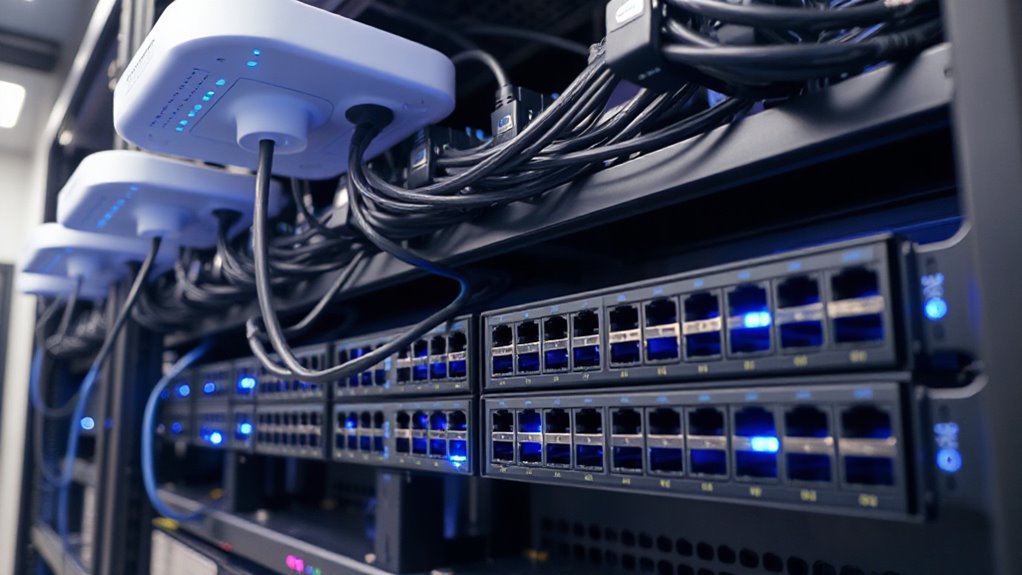

If you’re setting up multiple access points, choosing the right managed PoE switch is essential for seamless connectivity and network reliability. The best overall pick, Ubiquiti UniFi Switch USW-Lite-16-PoE, offers a balanced mix of performance and ease of use. For those prioritizing affordability, the TP-Link TL-SG105P delivers reliable power and management at a budget-friendly price, while the TP-Link TL-SG3452P stands out for large-scale deployments requiring extensive port options. The main tradeoffs in this category often involve balancing port count, power budget, and advanced management features. Continue reading for a detailed breakdown of each option and what fits your specific needs.
Key Takeaways
- Top picks balance port count, power budget, and management features based on user needs.
- Higher port models generally offer more scalability but come at a steeper cost.
- Fanless designs are preferred for quiet environments, but may limit heat dissipation.
- Managed features like VLANs and QoS are critical for complex AP setups, especially in enterprise environments.
- Budget options often cut corners on power budget or management sophistication but still serve small or simple networks well.
| Omada ES205GP 5-Port Gigabit Managed PoE Switch |  | Best Compact and Silent for Small AP Setups | Number of Ports: 5 | Power Budget: 65W | PoE+ Support: Yes | VIEW ON AMAZON | See Our Full Breakdown |
| TP-Link TL-SG108PE V3 8-Port Gigabit PoE Switch |  | Best for Small to Medium AP Deployments with Easy Setup | Number of Ports: 8 | PoE Ports: 4 | PoE Power Budget: 64W | VIEW ON AMAZON | See Our Full Breakdown |
| TP-Link TL-SG3452P 48-Port Gigabit L2+ Managed PoE Switch |  | Best for Large, Scalable Enterprise Networks | Number of Ports: 48 | PoE Power Budget: 384W | PoE Standards: 802.3at/af | VIEW ON AMAZON | See Our Full Breakdown |
| 8 Port Gigabit PoE Switch with 2 Gigabit Uplink, 120W, Managed, Fanless, Metal, Plug and Play |  | Best for Small, Silent, Power-Demanding Networks | Ports: 8 Gigabit PoE+ | Uplink Ports: 2 Gigabit | PoE Power: 120W | VIEW ON AMAZON | See Our Full Breakdown |
| TP-Link TL-SG208PE 8-Port Gigabit Managed PoE Switch |  | Best for Small, Managed Networks with Good PoE Budget | Ports: 8 | PoE Power Budget: 65W | PoE Distance: 250 meters | VIEW ON AMAZON | See Our Full Breakdown |
| Ubiquiti UniFi Switch USW-Lite-16-PoE, 16 Gigabit Ethernet Ports, 8 PoE+ Ports |  | Best Overall for Small to Medium Ubiquiti Environments | Number of Ethernet Ports: 16 | PoE+ Ports: 8 | PoE Power: up to 45W | VIEW ON AMAZON | See Our Full Breakdown |
| TP-Link TL-SG1005P 5-Port Gigabit PoE Switch with 4 PoE+ Ports, 65W, Desktop, Fanless, QoS & IGMP Snooping |  | Best for Small Environments Needing Simple PoE Power | Number of Ports: 5 | PoE+ Ports: 4 | PoE Power per Port: 30W | VIEW ON AMAZON | See Our Full Breakdown |
| TP-Link TL-SG1428PE 24-Port Gigabit Easy Smart Managed PoE+ Switch |  | Best for Growing Small to Medium Networks with Management Needs | Number of Ports: 24 PoE+ ports, 2 non-PoE | PoE Power Budget: 250W | SFP Slots: 2 | VIEW ON AMAZON | See Our Full Breakdown |
| NETGEAR 10-Port PoE Gigabit Ethernet Smart Managed Network Switch (GS110TP) |  | Best for Small to Medium Networks Needing Fiber and Cloud Management | Number of Ports: 10 | PoE+ Ports: 8 | PoE Power Budget: 55W | VIEW ON AMAZON | See Our Full Breakdown |
| TP-Link TL-SG2008P Jetstream 8 Port Gigabit Smart Managed PoE Switch |  | Best for Small to Medium Networks with Advanced Management and SDN | Number of Ports: 8 | PoE+ Ports: 4 | PoE Power per Port: 30W | VIEW ON AMAZON | See Our Full Breakdown |
| NETGEAR 8 Port PoE Gigabit Ethernet Easy Smart Managed Switch (GS308EP) |  | Best for Small Business Environments Needing Simplicity and Quiet Operation | Number of Ports: 8 | Port Type: Gigabit Ethernet | PoE+ Ports: 8 | VIEW ON AMAZON | See Our Full Breakdown |
| HPE Networking Instant On Switch Series 1930 8-Port Gb Smart-Managed Layer 2+ Ethernet Switch with PoE |  | Best for Small to Medium Business Networks Requiring Security and Flexibility | Ports: 8x Gigabit RJ45, 2x SFP | PoE Power: 124W | Management: Mobile app, web interface, ACLs, SNMP | VIEW ON AMAZON | See Our Full Breakdown |
| 9 Port 2.5G Gigabit PoE Web Managed Switch, 8 Port PoE + 1 10G SFP, IEEE 802.3af/at, 135W, Support WiFi6 AP, NAS, PoE Camera, NVR |  | Best for Professional Environments Requiring High-Speed PoE and Uplink Flexibility | Number of Ports: 9 | PoE Ports: 8 | PoE Standard: IEEE 802.3af/at | VIEW ON AMAZON | See Our Full Breakdown |
| managed poe switch for ap setups buyer guide | Number of Ports | Management |
|---|---|---|
| Omada ES205GP 5-Port Gigabit M | 5 | — |
| TP-Link TL-SG108PE V3 8-Port G | 8 | Web interface |
| TP-Link TL-SG3452P 48-Port Gig | 48 | Omada SDN, Web, CLI, SNMP |
| 8 Port Gigabit PoE Switch with | — | Web, software, app |
| TP-Link TL-SG208PE 8-Port Giga | — | — |
| Ubiquiti UniFi Switch USW-Lite | — | — |
| TP-Link TL-SG1005P 5-Port Giga | 5 | — |
| TP-Link TL-SG1428PE 24-Port Gi | 24 PoE+ ports, 2 non-PoE | Web-based interface and smart utility |
| NETGEAR 10-Port PoE Gigabit Et | 10 | Insight Cloud Management |
| TP-Link TL-SG2008P Jetstream 8 | 8 | Smart Managed with SDN |
| NETGEAR 8 Port PoE Gigabit Eth | 8 | — |
| HPE Networking Instant On Swit | — | Mobile app, web interface, ACLs, SNMP |
| 9 Port 2.5G Gigabit PoE Web Ma | 9 | — |
More Details on Our Top Picks
Omada ES205GP 5-Port Gigabit Managed PoE Switch
The Omada ES205GP stands out as an ideal choice for small-scale deployments where space and noise are concerns. Its fanless design ensures silent operation, perfect for offices or homes. Compared with larger switches like the TP-Link TL-SG3452P, it offers fewer ports, but for setups with just a few access points, its 5 ports and 65W PoE budget are sufficient. Its support for VLAN, loop prevention, and auto recovery provides essential network management features without complexity. The main tradeoff is its limited port count and maximum distance of 250 meters, which may restrict larger or more sprawling setups.
Pros:- Fanless design ensures silent operation
- Supports PoE+ with 65W power budget
- Includes VLAN and loop prevention for manageable networks
Cons:- Limited to 5 ports, not suitable for expanding networks
- Maximum distance of 250 meters may be too short for some outdoor or large-area setups
Best for: Small businesses or home users deploying a handful of APs in a compact space
Not ideal for: Large networks requiring many PoE ports or longer cable runs exceeding 250 meters
- Number of Ports:5
- Power Budget:65W
- PoE+ Support:Yes
- Maximum Distance:250 meters
- Fanless:Yes
- Managed Switch:Yes
Our verdict“This switch is best suited for small, quiet environments with minimal network expansion needs.”
TP-Link TL-SG108PE V3 8-Port Gigabit PoE Switch
The TP-Link TL-SG108PE V3 offers a balanced mix of ports and management features, making it an excellent upgrade over smaller switches like the Omada ES205GP. Its 8 ports and four PoE+ ports provide more flexibility for expanding AP setups, especially with a 64W power budget. The plug-and-play nature, combined with VLAN support and a sturdy metal case, makes it suitable for users who value straightforward deployment. Compared with more advanced switches like the TP-Link TL-SG3452P, it lacks extensive security features but compensates with ease of use and silent operation. The main limitation is the modest PoE power budget, which may not support high-power devices simultaneously.
Pros:- Easy plug-and-play setup
- Supports VLAN and management via web interface
- Fanless metal design for durability and silence
Cons:- Limited PoE power budget for high-power devices
- Lacks advanced network management features beyond VLAN
Best for: Small to medium-sized networks needing easy management and moderate PoE power
Not ideal for: Large enterprise networks or setups with high-power PoE devices requiring more than 64W total
- Number of Ports:8
- PoE Ports:4
- PoE Power Budget:64W
- Management:Web interface
- VLAN Support:Yes
- Fanless:Yes
Our verdict“Ideal for small to medium deployments prioritizing simplicity and quiet operation without high PoE demands.”
TP-Link TL-SG3452P 48-Port Gigabit L2+ Managed PoE Switch
The TP-Link TL-SG3452P excels in large-scale environments where extensive PoE and advanced security are needed. With 48 ports and a substantial 384W PoE budget, it supports multiple high-power devices simultaneously, surpassing the TP-Link TL-SG108PE in scale. Its 4 SFP slots enable high-speed uplinks, and Omada SDN integration offers centralized cloud management. Compared to smaller switches, its setup can be complex, making it less suitable for those new to network management. Its powerful features come with a higher price point and a need for compatible network infrastructure.
Pros:- High PoE power budget supports many devices
- Cloud management via Omada SDN for remote control
- Supports high-speed SFP uplinks and advanced security
Cons:- Complex setup may challenge beginners
- Higher cost and infrastructure requirements
Best for: Enterprises or large-scale deployments requiring high port density and security
Not ideal for: Small offices or home users with limited space and fewer devices
- Number of Ports:48
- PoE Power Budget:384W
- PoE Standards:802.3at/af
- SFP Slots:4
- Management:Omada SDN, Web, CLI, SNMP
- Warranty:5 years
Our verdict“Best suited for large, scalable networks demanding extensive PoE and centralized management.”
8 Port Gigabit PoE Switch with 2 Gigabit Uplink, 120W, Managed, Fanless, Metal, Plug and Play
This 8-port managed PoE+ switch is a solid choice for environments needing high PoE power in a compact, silent package. Its 120W total budget supports demanding IP cameras and access points, similar to the TP-Link TL-SG108PE, but with more power per port. Its fanless, metal case ensures quiet operation, ideal for noise-sensitive spaces. While it offers VLAN, QoS, and remote management, it doesn’t have the advanced features or extensive port count of larger switches like the TP-Link TL-SG3452P. Its main limitation is its smaller size and power capacity, making it less suitable for larger or high-power environments.
Pros:- Supports high-power PoE+ devices
- Fanless design for silent operation
- Managed with VLAN, QoS, and remote tools
Cons:- Limited to small network environments
- No included power supply details
Best for: Small offices or homes with high-power PoE devices needing silent operation
Not ideal for: Large networks or setups with many devices exceeding 120W total PoE power
- Ports:8 Gigabit PoE+
- Uplink Ports:2 Gigabit
- PoE Power:120W
- PoE Standards:802.3af/at
- Management:Web, software, app
- Mounting:Desktop and wall mount
Our verdict“Perfect for small, power-hungry networks requiring quiet, managed PoE solutions.”
TP-Link TL-SG208PE 8-Port Gigabit Managed PoE Switch
The TP-Link TL-SG208PE offers a straightforward, cost-effective solution for small networks needing managed PoE. Its 8 ports and 65W PoE budget make it comparable to the Omada ES205GP but with more management options and VLAN support. Its fanless design ensures quiet operation, and auto recovery, VLAN, and loop prevention features improve network reliability. It’s less feature-rich than the TP-Link TL-SG3452P, but for smaller deployments, its balance of affordability and functionality makes it a compelling choice. Its main limitation is the port count and PoE budget, which might fall short as network demands grow.
Pros:- Fanless for silent operation
- Supports PoE+ with 65W budget
- Auto loop prevention and VLAN features
Cons:- Limited port count for expanding networks
- No advanced management features beyond VLAN and auto recovery
Best for: Small offices or retail setups needing manageable, silent PoE switches
Not ideal for: Large-scale enterprise environments or high-power device clusters
- Ports:8
- PoE Power Budget:65W
- PoE Distance:250 meters
- Managed Features:VLAN, auto loop prevention
- Fanless:Yes
Our verdict“Suitable for small, managed networks where budget and simplicity are priorities.”
Ubiquiti UniFi Switch USW-Lite-16-PoE, 16 Gigabit Ethernet Ports, 8 PoE+ Ports
This switch stands out for its seamless integration with the UniFi ecosystem, making it ideal for those already using UniFi access points and network management tools. Compared to the TP-Link TL-SG1428PE, it offers a more cohesive management experience via the UniFi Controller, simplifying remote configuration. However, it’s limited to Layer 2 management, which could be restrictive for advanced networking needs, and it requires an external power adapter, adding some setup complexity. This makes it best suited for those who prioritize unified management and are comfortable with a slightly more involved setup process.
Pros:- Fully managed Layer 2 switch with remote configuration via UniFi Controller
- Supports PoE+ up to 45W per port for powering access points and devices
- Wall mountable for flexible deployment
Cons:- Limited to Layer 2 management, lacks Layer 3 routing features
- Requires an external 60W power adapter, adding to setup complexity
Best for: Small to medium-sized networks already using or planning to adopt UniFi equipment, needing reliable PoE+ power and remote management.
Not ideal for: Network administrators seeking Layer 3 routing features or built-in PoE power without external adapters; those preferring plug-and-play simplicity without external power supplies.
- Number of Ethernet Ports:16
- PoE+ Ports:8
- PoE Power:up to 45W
- Managed:Yes
- Layer:2
- Power Adapter:60W external
- Mounting:Wall mounted
Our verdict“This switch is best for users who want a managed, PoE+ capable switch that integrates seamlessly with UniFi environments and are comfortable with Layer 2 management and external power sources.”
TP-Link TL-SG1005P 5-Port Gigabit PoE Switch with 4 PoE+ Ports, 65W, Desktop, Fanless, QoS & IGMP Snooping
This model offers a straightforward, plug-and-play setup with 4 PoE+ ports and a total budget of 65W, making it suitable for small setups without complex management needs. Unlike the TP-Link TL-SG1428PE, it lacks advanced management features, focusing instead on ease of use and quiet operation thanks to its fanless design. Its limited port count and absence of management capabilities mean it’s best for small offices or home networks where simplicity and silence are priorities. It’s a good choice if you want reliable PoE power without the need for detailed network control.
Pros:- Easy plug-and-play setup for quick deployment
- Fanless design ensures silent operation
- Supports 4 PoE+ ports with up to 30W per port
Cons:- Limited to 4 PoE+ ports, restricting device support
- No managed switch features, limiting network control
Best for: Home offices or small retail setups needing PoE for access points and cameras with minimal management complexity.
Not ideal for: Larger or more complex networks requiring advanced VLAN, QoS, or managed features that this switch does not provide.
- Number of Ports:5
- PoE+ Ports:4
- PoE Power per Port:30W
- Total PoE Budget:65W
- Port Type:Gigabit Ethernet
- Case Material:Metal
- Fanless:Yes
Our verdict“This switch works best for small, straightforward PoE deployments where simplicity and silent operation are valued over advanced management features.”
TP-Link TL-SG1428PE 24-Port Gigabit Easy Smart Managed PoE+ Switch
This 24-port switch offers a substantial PoE+ power budget of 250W, supporting multiple high-power devices and VLAN security, making it a versatile choice for expanding networks. Compared to the TP-Link TL-SG2008P, it provides more ports and advanced features like VLAN and auto PoE recovery, but it requires some configuration for optimal PoE auto recovery, which could be a hurdle for less experienced users. Its size and power make it suitable for small to medium deployments that need a managed switch with room for growth, but it doesn’t include SFP fiber ports, limiting uplink options.
Pros:- Supports high power PoE+ for multiple devices
- Includes VLAN features for network segmentation
- Web-based management interface simplifies setup and control
Cons:- Requires configuration for PoE auto recovery, adding initial setup steps
- No fiber SFP ports, limiting uplink flexibility
Best for: Small to medium-sized businesses needing a managed PoE switch with VLAN support and higher port density for scalable network setups.
Not ideal for: Home users or very small networks that do not require extensive management or large port counts, where a simpler switch would suffice.
- Number of Ports:24 PoE+ ports, 2 non-PoE
- PoE Power Budget:250W
- SFP Slots:2
- PoE Standard:802.3at/af
- Management:Web-based interface and smart utility
- Warranty:3 years
Our verdict“This switch is best suited for growing networks that need manageable, high-power PoE with VLAN capabilities without the complexity of full enterprise switches.”
NETGEAR 10-Port PoE Gigabit Ethernet Smart Managed Network Switch (GS110TP)
This switch provides 8 PoE+ ports supporting high-power devices, along with 2 SFP ports for fiber uplinks, making it flexible for small to medium networks that require fiber connectivity. Its cloud management via Insight makes remote control straightforward, unlike the TP-Link TL-SG2008P which relies on local web interfaces. The limited port count might be a constraint for larger networks, but its combination of PoE, fiber options, and cloud management makes it appealing for offices aiming for easy remote oversight and future-proofing with fiber.
Pros:- Supports high-power PoE+ with 55W total budget
- Includes fiber SFP ports for uplink flexibility
- Cloud-based management simplifies remote control
Cons:- Limited to 10 ports, may not suit larger setups
- Management interface can seem complex for beginners
Best for: Small to medium business environments that need fiber uplinks and cloud-based management for PoE devices.
Not ideal for: Large enterprise networks or users seeking extensive port density, as it only offers 10 ports and limited expansion options.
- Number of Ports:10
- PoE+ Ports:8
- PoE Power Budget:55W
- SFP Ports:2
- Management:Insight Cloud Management
- Mounting Options:Desktop or Wall Mount
Our verdict“Ideal for small to medium networks prioritizing fiber connectivity and remote management at a manageable size.”
TP-Link TL-SG2008P Jetstream 8 Port Gigabit Smart Managed PoE Switch
This 8-port switch offers a compact, managed solution with 4 PoE+ ports and a 62W power budget, supporting advanced features like Omada SDN integration, VLAN, and QoS. Unlike the larger 24-port TL-SG1428PE, it provides a more scalable management platform for small enterprises that want to grow without sacrificing control. Its 5-year warranty and support make it appealing for professional environments, though its smaller size means fewer ports and less room for future expansion, which could limit larger setups.
Pros:- Supports PoE+ with a 62W total budget
- Includes Omada SDN for centralized management
- VLAN, QoS, and security features for flexible control
Cons:- Requires compatible SDN controllers for full SDN features
- Limited port count restricts larger network deployment
Best for: Small businesses or branch offices looking for a managed PoE switch with SDN features and room to expand within a limited port count.
Not ideal for: Large networks or those requiring extensive port density, as it only has 8 ports and lacks fiber uplink options.
- Number of Ports:8
- PoE+ Ports:4
- PoE Power per Port:30W
- Total PoE Budget:62W
- Management:Smart Managed with SDN
- Warranty:5 Years
Our verdict“This switch is best for small-scale, managed PoE deployments that want SDN compatibility and advanced security features in a compact form.”
NETGEAR 8 Port PoE Gigabit Ethernet Easy Smart Managed Switch (GS308EP)
This NETGEAR GS308EP stands out for its straightforward setup and silent, fanless design, making it ideal for small office environments where noise and ease of use matter. Compared with the HPE 1930, it offers a simpler management interface without advanced security features, which could be a limitation for more security-conscious setups. Its 62W PoE+ power budget is sufficient for basic APs and IP cameras but may fall short for high-power devices like outdoor access points or large PoE-powered switches. The compact, wall-mountable design allows flexible placement, but the lack of Layer 3 routing limits its expansion capabilities. Overall, this switch makes sense for small business users who prioritize ease and silent operation over advanced features or high PoE budgets.
Pros:- Simple, intuitive management interface for quick setup
- Fanless, silent operation ideal for quiet workspaces
- Flexible mounting options for various installation needs
- Supports PoE+ for powering essential connected devices
Cons:- Limited to small-scale deployments; not suitable for large or complex networks
- PoE power budget may be insufficient for high-power devices
- No Layer 3 features for routing or advanced network segmentation
Best for: Small business owners seeking a reliable, easy-to-configure PoE switch for basic network expansion.
Not ideal for: Enterprises needing high PoE power budgets or advanced Layer 3 routing capabilities, as this model is limited in both areas.
- Number of Ports:8
- Port Type:Gigabit Ethernet
- PoE+ Ports:8
- Total Power Budget:62W
- Mounting Options:Desktop or Wall Mount
- Design:Fanless, Energy-efficient
Our verdict“This switch is best suited for small offices wanting an easy-to-use, silent PoE solution for basic device powering.”
HPE Networking Instant On Switch Series 1930 8-Port Gb Smart-Managed Layer 2+ Ethernet Switch with PoE
The HPE 1930 8G switch excels for small to medium businesses needing manageable security features and flexible deployment options. Its mobile app and web management ease configuration, similar to the NETGEAR GS308EP, but with added security features like ACLs and SNMP for better network control. The 124W PoE budget doubles the power capacity of the NETGEAR, supporting more or higher-power devices like IP cameras and VoIP phones simultaneously. However, its advanced management and security come with a steeper learning curve, making it less ideal for users unfamiliar with network settings. The fanless, silent operation remains, but the increased complexity makes this model better suited to environments where security and device density are priorities.
Pros:- Supports PoE with a high 124W power budget for multiple devices
- Secure management with ACLs and SNMP for advanced control
- Fanless, silent operation suitable for quiet environments
- Easy setup via mobile app or web interface
Cons:- Requires some networking knowledge for advanced features
- Limited to small/medium business scale; not intended for large enterprise deployments
- No Layer 3 routing capabilities for complex network segmentation
Best for: Small to medium businesses seeking a secure, managed PoE switch with flexible management options.
Not ideal for: Small office users or home setups lacking network expertise, as the advanced features may be overwhelming without technical knowledge.
- Ports:8x Gigabit RJ45, 2x SFP
- PoE Power:124W
- Management:Mobile app, web interface, ACLs, SNMP
- Operation:Fanless, silent
- Form Factor:Desktop, wall or surface mount
- Security Features:ACLs, SNMP
Our verdict“This switch is ideal for SMBs that need secure, manageable PoE with room for network growth, provided there’s some technical proficiency.”
9 Port 2.5G Gigabit PoE Web Managed Switch, 8 Port PoE + 1 10G SFP, IEEE 802.3af/at, 135W, Support WiFi6 AP, NAS, PoE Camera, NVR
Compared with the smaller, less powerful options like the NETGEAR GS308EP, this 9-port switch pushes into professional territory with its 2.5G PoE ports and a 10G SFP uplink—ideal for high-bandwidth setups. Its 135W PoE budget supports multiple high-power devices, making it well-suited for WiFi 6 access points, NVRs, and IP cameras, especially in environments where speed and power delivery are critical. The metal casing and dual-side vents ensure durability and efficient cooling, unlike the fanless designs of the other two. However, its complexity and higher price point mean it’s not suitable for small-scale or less technical users. This pick makes sense for professional, high-performance networks needing robust uplink options and high PoE power.
Pros:- Supports 2.5G Ethernet and 10G uplink for high-speed data transfer
- 135W PoE power budget accommodates multiple high-power devices
- Durable metal construction with efficient cooling
- Supports advanced management features like VLAN, QoS, multicast
Cons:- Requires more technical knowledge for configuration
- Higher price point may be overkill for small or simple networks
- Passive 24V PoE devices are not supported under current specs
Best for: Professional network setups with high-speed, high-power PoE needs, such as enterprise WiFi or security system deployments.
Not ideal for: Small offices or home users with basic PoE needs, as the advanced features and higher cost may be unnecessary.
- Number of Ports:9
- PoE Ports:8
- PoE Standard:IEEE 802.3af/at
- PoE Power Budget:135W
- SFP Ports:1 10G SFP
- Backplane Bandwidth:60Gbps
- Supported Speeds:10/100/1000M/2.5G
- Construction:Metal casing
- Cooling:Dual-side vents
Our verdict“This switch is best suited for professional environments demanding high throughput, robust uplinks, and substantial PoE power, with some technical know-how.”
How We Picked
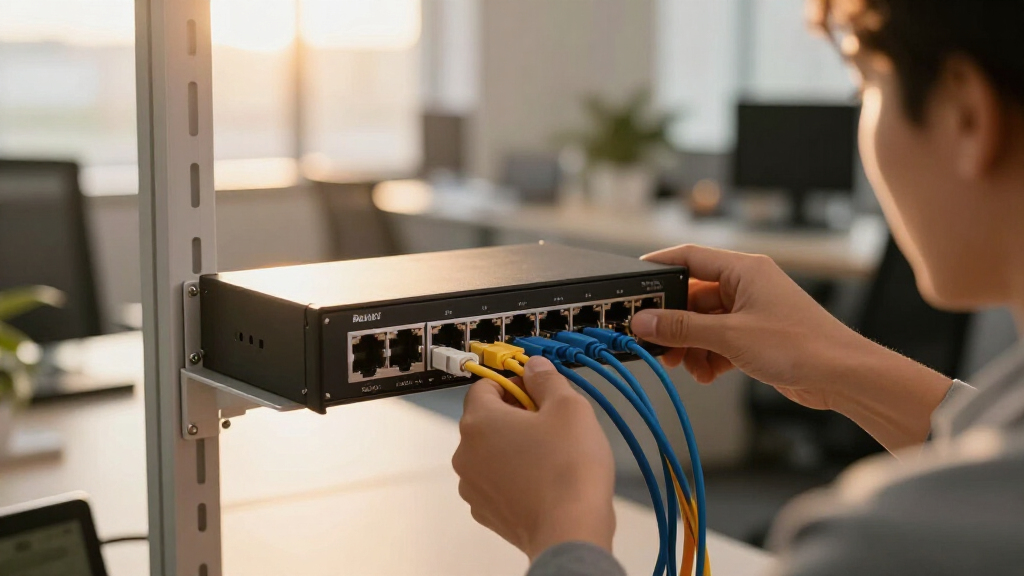
Our evaluation focused on key factors that matter most for AP setups, including port count, PoE power budget, ease of management, build quality, and expandability. We also considered pricing, reliability, and user-friendliness to recommend options suitable for different levels of expertise. Each switch was assessed on its ability to handle multiple APs, manage power efficiently, and integrate into diverse network environments. Products were ranked to highlight those that offer the best balance of performance and value for specific deployment sizes and complexities.
Factors to Consider When Choosing Managed Poe Switch For Ap Setups Buyer Guide
Choosing the right managed PoE switch involves understanding several core factors that influence network performance, scalability, and maintenance. Beyond basic specs, it’s important to consider how the switch’s features align with your current and future AP needs, your environment’s noise and heat constraints, and budget considerations. Making an informed decision helps avoid costly upgrades or management headaches later on.Port Count and PoE Power Budget
Carefully evaluate how many access points you plan to deploy and their power requirements. A switch with too few ports may limit future expansion, while an excess might be unnecessary and more costly. The PoE power budget must meet the total power draw of all connected APs; underestimating this can lead to insufficient power delivery, causing connectivity issues. Conversely, overspending on power capacity you don’t need can inflate costs without tangible benefits.
Management Features
Managed switches provide essential tools like VLAN segmentation, QoS prioritization, and network monitoring. These features are especially valuable in busy environments where traffic control and security matter. However, higher management capabilities can add complexity, so consider your technical skill level and whether the switch’s management interface is user-friendly enough for your team. For small setups, simpler management might suffice, while larger deployments benefit from advanced tools.
Build Quality and Noise Levels
Durability and heat dissipation are often overlooked but critical, especially in continuous operation scenarios. Fanless models are appealing for noise-sensitive spaces but may run hotter, risking reliability issues if airflow isn’t adequate. Metal enclosures tend to be more durable and better at heat management, extending the lifespan of the device. Assess your environment for noise and thermal management needs before choosing a design.
Future Proofing and Scalability
Consider whether your current network plans might expand. Switches with higher port counts and flexible management options can accommodate future AP additions without requiring an upgrade. Features like 10G uplinks or SFP ports can also future-proof your network, providing faster backbone connections as your network grows. Investing slightly more now can save significant costs and hassle later.
Price vs. Value
While budget options can be tempting, it’s important to weigh what features you’re sacrificing. Cheaper switches may lack sufficient PoE capacity, advanced management, or durability, leading to potential network issues. Conversely, investing in higher-tier models offers greater reliability, scalability, and management tools, which can be worth the premium if your network demands it. Balance your needs and budget to avoid overpaying or under-equipping your setup.
Frequently Asked Questions
Can I power multiple access points with a single managed PoE switch?
Yes, most managed PoE switches are designed to support multiple access points simultaneously, provided the total PoE budget covers their combined power requirements. Always check the total power budget and individual port PoE ratings before connecting multiple APs. Proper planning ensures each device receives adequate power without overloading the switch, maintaining network stability.
Is a higher port count switch always better for AP setups?
Not necessarily. The optimal port count depends on your current and planned AP deployment. If you only need to connect a few APs, a smaller switch may suffice and save costs. Larger switches are better for expanding networks or supporting multiple devices beyond just APs. Overprovisioning can lead to unnecessary expenses, so match port count to your actual needs.
Should I prioritize managed features or simple plug-and-play switches?
This depends on your familiarity with network management. Managed switches offer advanced controls like VLANs, QoS, and monitoring, which are beneficial in complex or high-traffic environments. For small or straightforward setups, unmanaged switches might be enough, simplifying setup and reducing costs. However, for scalable, secure, and optimized networks, managed options are generally a better investment.
What’s the most common mistake when choosing a PoE switch for APs?
The most frequent error is underestimating power requirements or overestimating port needs, leading to insufficient power or unnecessary expense. Another mistake is neglecting future expansion, which results in having to replace the switch sooner than desired. Carefully assessing current and future needs ensures the switch supports your network’s growth without costly upgrades.
How important is the switch’s build quality and cooling design?
Build quality and cooling are vital for ensuring long-term reliability. Metal enclosures tend to be more durable and better at dissipating heat, especially important in hot or noisy environments. Fanless models are quieter but require good airflow to prevent overheating. Choosing a well-built, appropriately cooled switch reduces maintenance costs and prevents unexpected failures.
Conclusion
For small networks with a few access points, the TP-Link TL-SG105P offers excellent value and simplicity. Larger, enterprise-level setups requiring extensive management and higher PoE budgets should consider the TP-Link TL-SG3452P or the Ubiquiti UniFi Switch USW-Lite-16-PoE. Beginners or those prioritizing ease of use might favor plug-and-play models, while experienced network managers should look for switches with advanced management features and future-proofing options. Understanding your specific needs ensures you select a switch that balances performance, scalability, and budget effectively.