

To create effective SOPs, start by identifying key tasks and gathering input from experienced team members to guarantee practicality. Write clear, simple instructions, and incorporate visual aids like flowcharts or checklists for better understanding. Regularly review and update your SOPs to keep them current and compliant with industry standards. Conduct training sessions to reinforce their use. Keep in mind, developing strong SOPs is an ongoing process—if you continue, you’ll discover how to refine them for maximum performance.
Key Takeaways
- Identify specific tasks or processes that require standardized documentation.
- Gather input from experienced staff to ensure practicality and accuracy.
- Draft procedures using clear, simple language and incorporate visual aids for clarity.
- Review and update SOPs regularly to keep them current and aligned with changes.
- Train team members on SOPs and involve compliance officers to ensure adherence and compliance.

Have you ever wondered how organizations guarantee consistency and efficiency in their daily operations? The answer often lies in creating well-crafted Standard Operating Procedures (SOPs). These documents serve as the backbone of operational consistency, ensuring that everyone follows the same steps, regardless of who’s performing the task. To develop effective SOPs, you need to focus on training best practices, which involve clear communication, hands-on practice, and ongoing updates to keep procedures relevant. When your team understands the procedures thoroughly, they’re more likely to execute tasks accurately and efficiently. Incorporating training best practices into SOP development helps reduce errors, improve quality, and foster a culture of continuous improvement.
Equally important is aligning your SOPs with compliance standards. Every industry has regulations designed to protect consumers, ensure safety, and uphold quality. By integrating these standards into your SOPs, you make sure your organization remains compliant, avoiding costly fines or reputational damage. For instance, if you’re in healthcare, your SOPs must adhere to HIPAA regulations; in manufacturing, OSHA standards are vital. When you clearly embed these compliance standards into your procedures, you create a safety net that ensures everyone on your team knows the legal and ethical expectations. This proactive approach minimizes risks and provides clear guidance on how to handle complex or sensitive situations.
Creating SOPs also involves a straightforward process. First, identify the specific task or process that needs documentation. Next, gather input from those who perform the task daily—these experts can offer insights that ensure the SOP is practical and thorough. Then, draft the procedure in simple, direct language, avoiding jargon or ambiguity. Visual aids like flowcharts or checklists can enhance understanding and usability. Once drafted, review the SOP with key stakeholders, including compliance officers, to ensure it aligns with industry standards. Training sessions are essential here—they help reinforce the SOP, clarify any doubts, and ensure everyone understands their roles. Remember, SOPs are living documents; you should review and update them regularly to reflect changes in technology, regulations, or best practices.
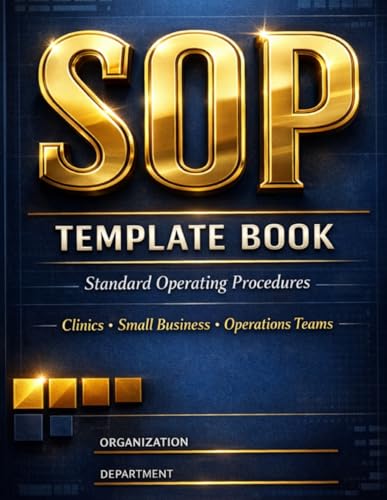
SOP Template Book: Standard Operating Procedures Templates for Small Business, Clinics and Operations Teams — 40+ Fillable Procedure Forms, Process Maps and Review Logs (GSG Operations Toolkit)
As an affiliate, we earn on qualifying purchases.
As an affiliate, we earn on qualifying purchases.
Frequently Asked Questions
How Often Should SOPS Be Reviewed and Updated?
You should review your SOPs at least annually to guarantee they stay current and effective. Regular review frequency helps you identify outdated procedures and implement necessary updates promptly. If your processes change frequently or there are regulatory updates, consider updating procedures more often, such as every six months. Consistently revisiting and updating SOPs keeps your operations compliant and efficient, reducing errors and increasing overall productivity.
Who Is Responsible for Creating SOPS in an Organization?
You are responsible for creating SOPs in your organization, guaranteeing clear roles clarification and addressing training requirements. Typically, department managers or process owners draft SOPs based on their expertise, then collaborate with relevant teams for accuracy. Your role includes updating SOPs as needed, providing training to staff, and maintaining documentation. By actively managing SOP creation, you ensure consistency, compliance, and that everyone understands their responsibilities clearly.
How Detailed Should an SOP Be for Complex Processes?
Think of an SOP as a blueprint for a complex machine. For intricate processes, you should include detailed documentation to guarantee every part is understood and easily followed. Process complexity demands deeper documentation to prevent confusion and errors. Aim for clarity without overwhelming, balancing thoroughness with accessibility. This way, your SOP becomes a reliable guide, helping users navigate even the most complicated tasks smoothly and confidently.
Can SOPS Be Customized for Different Departments?
Yes, SOPs can be customized for different departments. You should tailor each SOP to be department-specific, addressing unique workflows and requirements. Process customization guarantees clarity and relevance, helping your team follow procedures effectively. By customizing SOPs, you ensure that each department has clear, actionable instructions aligned with their specific tasks. This approach improves compliance and efficiency across your organization, making sure everyone has the right guidance for their roles.
What Tools or Software Are Best for Managing SOP Documents?
Oh, sure, because managing SOP documents should feel like juggling flaming torches while riding a unicycle. You’ll want tools that excel in digital collaboration and version control, like Confluence, Google Workspace, or SharePoint. These platforms keep everyone on the same page, prevent chaos from multiple versions, and make updates seamless. Choose one that fits your team’s style, and you’ll master SOP management without breaking a sweat.
SOP flowchart creator
As an affiliate, we earn on qualifying purchases.
As an affiliate, we earn on qualifying purchases.
Conclusion
Creating SOPs isn’t just a good idea—it’s your secret weapon to transforming chaos into pure order! With clear procedures, you’ll feel like a superhero wielding the power of flawless consistency and unstoppable efficiency. Say goodbye to mistakes and hello to a world where everything runs smoother than a rocket ship on launch day. Embrace SOPs now, and watch your work life turn into a perfectly orchestrated symphony—so effortless, it’ll seem like magic!

Office Cleaning SOP Manual: Janitorial Training Guide with Checklists, Inspections, Restroom Routines, Floor Care, and Staff Systems
As an affiliate, we earn on qualifying purchases.
As an affiliate, we earn on qualifying purchases.

Cleaning Checklist for Business: Daily Log Book for Impeccable Cleanliness in Offices, Restaurants, Vacation Rentals etc.
As an affiliate, we earn on qualifying purchases.
As an affiliate, we earn on qualifying purchases.