
TL;DR

Get office and shipping supplies delivered free — and shop member deals
- Fast, free delivery on millions of items
- Access to Prime Big Deal Days deals on October 6–7
- Prime Video, Amazon Music and more included
Power One has obtained a permit to undertake deep testing on the Pecors magnetic anomaly. This development signals progress in exploration activities, though the significance of the anomaly remains under investigation.
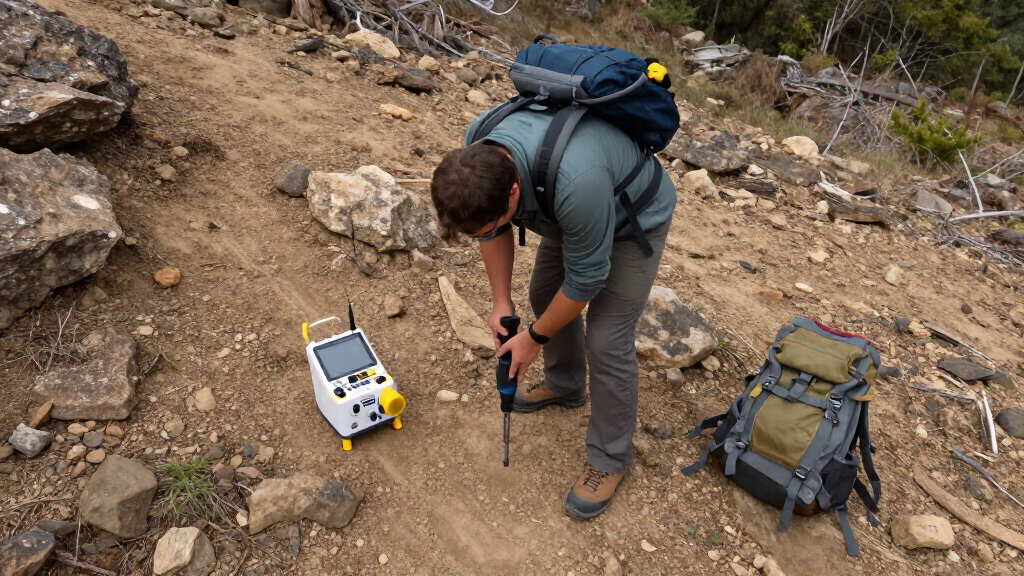
Power One has received an official drill permit to conduct deep testing on the Pecors magnetic anomaly, a development that could influence future exploration and resource assessment efforts. This permit approval marks a key milestone in the company’s ongoing geological investigations, though the significance of the anomaly remains under evaluation. The permit allows Power One to proceed with drilling operations aimed at better understanding the underlying geological features and potential mineral deposits associated with the anomaly.
The permit, granted by relevant regulatory authorities, authorizes Power One to undertake deep drilling on the Pecors magnetic anomaly, a geophysical feature that has attracted interest due to its unusual magnetic signature. The company has indicated that the drilling will target depths sufficient to assess whether mineralization or other economically valuable geological formations are present beneath the surface. While the permit confirms the company’s ability to proceed, detailed plans and timelines for the drilling campaign have not yet been publicly disclosed.
Sources close to Power One have stated that the company views this permit as a critical step toward evaluating the potential of the Pecors anomaly. The anomaly itself has been under investigation for some time, with prior geophysical surveys suggesting the possibility of mineral deposits, though no confirmed findings have yet been announced. The deep testing will provide new data that could either support or refute earlier hypotheses about the anomaly’s significance.
Implications of the Drilling Permit for Exploration Prospects
The granting of this permit is significant because it enables Power One to move from surface-based geophysical surveys to direct subsurface testing. If the drilling uncovers mineralization or promising geological formations, it could substantially boost the company’s resource estimates and exploration credentials. Conversely, if the results are negative, it may lead to reevaluation of the anomaly’s potential and influence future exploration strategies. This development also reflects increasing interest in magnetic anomalies as indicators of mineral deposits, though the actual correlation remains uncertain.
As an affiliate, we earn on qualifying purchases.
Background on Pecors Magnetic Anomaly and Exploration Efforts
The Pecors magnetic anomaly has been a focus of exploration activity for several years, initially identified through geophysical surveys that detected an unusual magnetic signature beneath the surface. Such anomalies often prompt further investigation because they can indicate the presence of mineral deposits, such as copper, nickel, or other metals associated with magnetic signatures. Power One, along with other exploration companies, has conducted preliminary surveys, but no definitive mineral discoveries have been publicly announced. The recent permit approval signals an escalation in exploration efforts, moving toward deeper, more definitive testing.
Interest in magnetic anomalies like Pecors has surged in recent months, driven by broader market trends and increased investment in mineral exploration. The exact cause of the anomaly remains uncertain, with some experts suggesting it could be related to magmatic intrusions or mineralized zones, but confirmation requires drilling and sampling. The trigger for this renewed focus appears to be a combination of geophysical data and market dynamics, though the specific reasons behind the permit issuance are not publicly detailed.
Uncertainties Surrounding the Anomaly’s Mineral Potential
It is not yet clear what the results of the deep drilling will reveal about the Pecors magnetic anomaly. While the permit confirms that drilling will proceed, the actual mineralization, composition, and economic viability of any deposits found remain unknown. Experts caution that magnetic anomalies do not always correlate with economically viable mineral deposits, and the outcome of the drilling campaign will be critical in determining the anomaly’s significance.
Next Steps in the Exploration and Evaluation Process
Following the issuance of the permit, Power One is expected to finalize its drilling plans and commence operations within the coming months. Results from the deep testing will be analyzed to assess mineral content and geological features. Depending on findings, the company may proceed with further exploration, development, or reevaluation of the project. Investors and industry observers will likely monitor upcoming updates from Power One regarding timelines, initial findings, and potential resource estimates.
Key Questions
What is the Pecors magnetic anomaly?
The Pecors magnetic anomaly is a geophysical feature identified through magnetic surveys that shows an unusual magnetic signature beneath the surface, which could indicate the presence of mineral deposits.
Why is the permit important?
The permit authorizes Power One to conduct deep drilling, moving exploration from surface surveys to subsurface testing, which is essential for confirming or refuting the potential mineralization suggested by the anomaly.
What types of minerals might be associated with the anomaly?
Potential minerals include copper, nickel, or other metals typically associated with magnetic anomalies, but confirmation depends on the drilling results.
When will drilling start?
Details on the exact start date have not been publicly announced, but the company is expected to finalize plans and begin drilling within the upcoming months.
What are the chances of a significant discovery?
While deep testing could reveal mineralization, the outcome remains uncertain, and magnetic anomalies do not always correlate with economically viable deposits.
Source: primary
Halloween Picks
halloween
As an affiliate, we earn on qualifying purchases.